Have you ever looked at a home ad or a property post and thought, “This doesn’t feel real”?
That’s exactly why authentic content is becoming such an important part of home design and property marketing today. People connect more deeply with real experiences, true visuals, and honest emotions.
When buyers or homeowners see something genuine, it helps them imagine themselves in that space, not as spectators, but as part of the story.
The Importance of Real and Honest Content
Authentic content means showing homes, designs, and lifestyles as they truly are, in a way that’s relatable and warm. It’s not about perfection; it’s about reality that feels good to see and easy to trust.
In home design and property marketing, authenticity adds a touch of comfort and connection.
When photos, descriptions, and stories reflect real living spaces and real experiences, people start to trust the message more. They can sense when something is real and when it’s been polished too much.
By keeping things true and appealing, professionals in design and real estate can build stronger relationships with their audience.
Why Authentic Content Builds Stronger Trust
Trust plays a big role in home-related decisions. No one buys or rents a home without some emotional connection. When marketing reflects true emotions, natural light, and realistic spaces, it instantly feels more relatable. Here’s how authentic content helps:
- Builds emotional connection ─ People can imagine themselves living in those spaces.
- Increases credibility ─ Real photos and honest information make potential buyers more confident.
- Encourages engagement ─ When something looks real, people tend to spend more time looking at it.
- Strengthens word of mouth ─ Satisfied audiences share real content more often with friends and family.
Authenticity isn’t just about being honest; it’s about being human in communication.
Why Home Design Feels Better When It’s Real
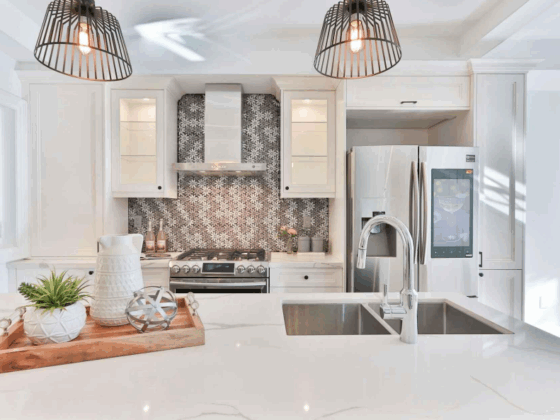
Good design always tells a story. When homeowners see a photo or video that looks natural, maybe a sunbeam falling on a couch or a small balcony full of plants, it makes them feel that this design could be part of their daily life. Real content shows how comfort and beauty can blend easily.
Small touches like daily lighting, practical furniture, and personalized corners give people realistic inspiration. These small things often matter more than grand or overly polished designs.
Connecting Emotions Through Design
People often choose a home because it “feels right.” That feeling comes from small details, colors that calm, layouts that flow, and spaces that seem alive. Authentic content captures these details perfectly. For example:
- Using natural lighting instead of artificial lighting.
- Showing lived-in moments like a teacup on the table or a child’s drawing on the fridge.
- Sharing before-and-after shots that look natural, not overly edited.
- Presenting different moods of the same space — morning, evening, festive, or relaxed.
When content reflects emotions, it doesn’t just promote a design; it shares a lifestyle people can connect with.
Real Stories in Property Marketing
In property marketing, authenticity works like a silent trust-builder. Buyers want to see what a home actually looks like, how it feels in daylight, how rooms connect, and what kind of life can grow there. Real stories and experiences turn simple marketing into something meaningful.
Sharing true homeowner experiences, natural photographs, and honest reviews can make a property stand out. Instead of just showing size or luxury, marketers can show warmth and comfort.
Benefits of Keeping Property Marketing Real
Let’s look at why staying real helps property promotion feel more personal and believable:
- Better connection with the audience ─ People appreciate honesty. Real visuals make them feel closer to the brand or professional.
- Higher conversion ─ Authentic content reduces doubt, helping people make decisions faster.
- Long-term relationship ─ When people trust your content, they remember you longer.
- Positive brand image ─ Showing the truth always adds respect and value to your work.
By keeping content natural and confident, professionals create a strong base of followers who appreciate genuine communication.
The Role of Photography and Visuals
Photos and videos are the first things people notice when they check homes online. Visuals that feel natural, without heavy editing or unrealistic staging, instantly grab attention. Even a simple room, if captured properly, can look inviting and full of life.
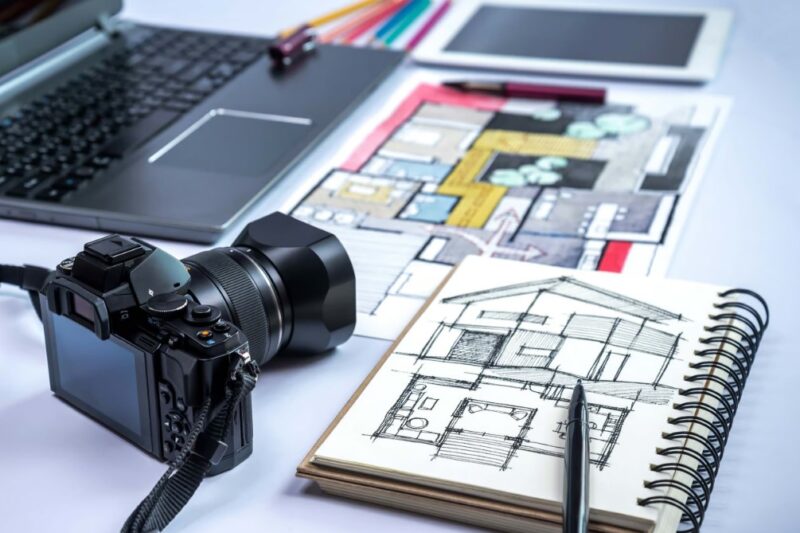
Tips to Keep Visuals Authentic
Here are some small but effective ways to keep your visuals real and meaningful:
- Use natural daylight whenever possible.
- Keep small imperfections; they make spaces relatable.
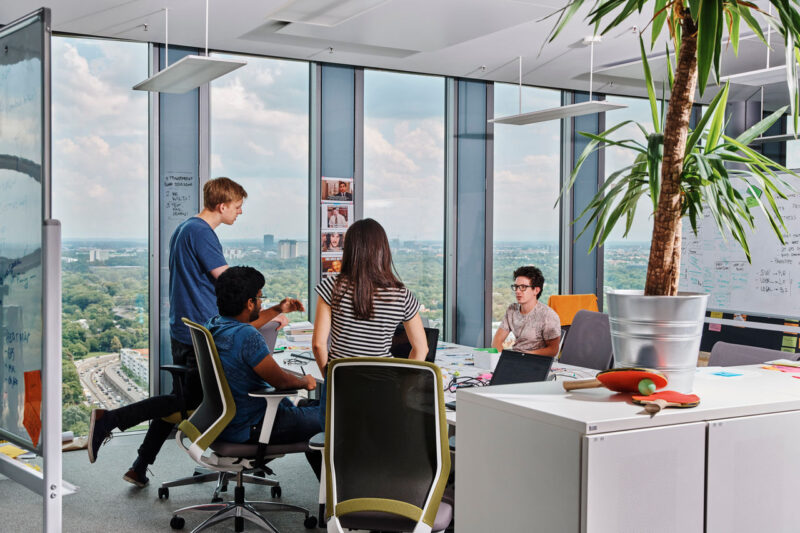
- Show people interacting with the space, sitting, reading, cooking, and relaxing.
- Avoid filters that change true colors or lighting.
- Highlight real materials like wood, plants, and fabrics as they are.
This way, viewers not only see the space but feel it, almost as if they’re already there.
Words That Feel Real Matter Too
It’s not just about images. The way we describe homes also plays a big role. Using easy, honest language helps people imagine themselves in that space. Avoiding fancy or hard words keeps communication friendly and approachable.
Writing That Connects with People
Simple and warm words can make even a short caption or post stand out.
Some creators use an AI Humanizer to transform overly formal language into relatable, simple expressions
For example:
- Instead of “luxurious interiors,” say “a cozy living room with soft light.”
- Instead of “state-of-the-art kitchen,” say “a modern kitchen perfect for daily cooking.”
- Instead of “spacious bedrooms,” say “bedrooms where you can stretch and relax.”
These small choices make readers feel comfortable and interested because they can relate.
How Technology Supports Authenticity
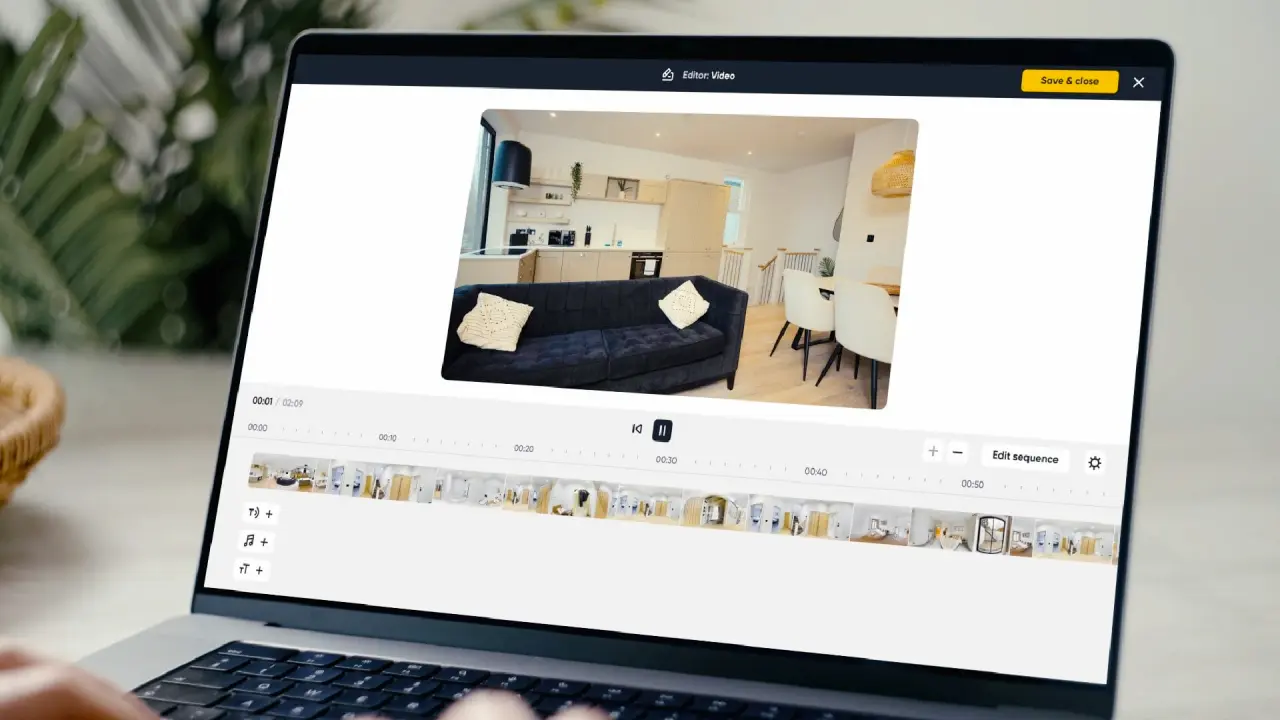
Modern tools like photography apps, editing software, and even AI-based writing assistants make it easy to create high-quality content. The key is using them in the right balance, not to make things look fake, but to polish them gently.
One useful tool many creators use today is the AI checker free, which helps ensure your content feels natural and human-written. This kind of technology can help maintain quality without losing authenticity.
Building Trust Through Everyday Stories
People love stories, especially those that feel real. When property marketers share moments like a family moving in, a couple setting up their first home, or a designer transforming a small space, it touches hearts. These are moments that create long-term trust and affection.
Real-life stories remind people that homes are about emotions, not just walls and decor. Showing this side of life gives a brand or professional personality, warmth and honesty.
Simple Ideas for Authentic Storytelling
Here are some ways to make stories more real and enjoyable:
- Use real people, not models.
- Share genuine testimonials in natural language.
- Show behind-the-scenes shots from design projects.
- Capture daily-life activities in homes, not just staged photoshoots.
When stories feel natural, they stay in people’s minds for a long time.
To Sum Up
Authentic content is not just a trend; it’s a mindset that values truth, simplicity, and connection. In home design and property marketing, being real is the easiest way to build lasting trust. It makes communication feel warm and human, helping people see not just the house, but the home within it.
When visuals are real, words are easy, and stories come from genuine experiences, every viewer feels closer to what they see. That closeness leads to trust, and trust leads to meaningful success.
So, in the end, keeping your content authentic is not only about marketing, it’s about building relationships that last and making every design or property feel like home.