
Every homeowner in the UK eventually faces the same dilemma – should you pick up a hammer or pick up the phone? With the rise of online tutorials and a culture that celebrates the DIY spirit, it’s tempting to tackle home renovations yourself to save money. However, knowing when to DIY and when to call the experts in the UK is crucial not just for your wallet, but for your safety and legal compliance.
This guide explores the boundaries between safe DIY projects and tasks requiring professional expertise. We will break down suitable DIY jobs, highlight safety risks associated with electrical work and provide a clear roadmap for hiring a professional. Whether you are planning minor home improvements or major structural changes, understanding these distinctions will help you avoid costly mistakes and ensure your property remains safe and compliant.
DIY vs Hiring – Purpose and Scope
The line between a successful DIY project and a disaster often comes down to understanding your limits and UK regulations. While many maintenance tasks are perfectly safe for property owners to handle, specific jobs are governed by strict health and safety regulations. In the UK, carrying out certain electrical or gas work without the necessary certifications is illegal and can invalidate your home insurance.
The primary goal of DIY should be to tackle low-risk, cosmetic improvements that enhance your living space without compromising structural integrity or safety. Conversely, hiring a professional ensures that complex tasks meet legal requirements and are completed to a high standard, protecting your investment in the long run.
DIY Projects – Suitable Home Improvements

For beginners or those with limited technical know-how, starting with low-risk home improvements is the best way to build confidence and skills. These projects typically require minimal tools and can be completed within a weekend.
Basic tools beginners should own include a tape measure, a spirit level, a hammer, a screwdriver set and a cordless drill. With the right tools, you can handle a variety of simple tasks.
Certain Tasks and Projects Suitable For DIY
- Painting and decorating – Applying a fresh coat of paint is the most cost-effective way to transform a room. It carries low risk and requires basic skills.
- Installing shelving – Putting up shelves is a classic DIY job. Provided you check for wires and pipes behind the wall, it’s a straightforward task.
- Swapping cabinet handles – Updating hardware on kitchen units or custom cabinetry can modernise a space instantly without needing professional help.
Electrical Work – When To DIY And When To Call
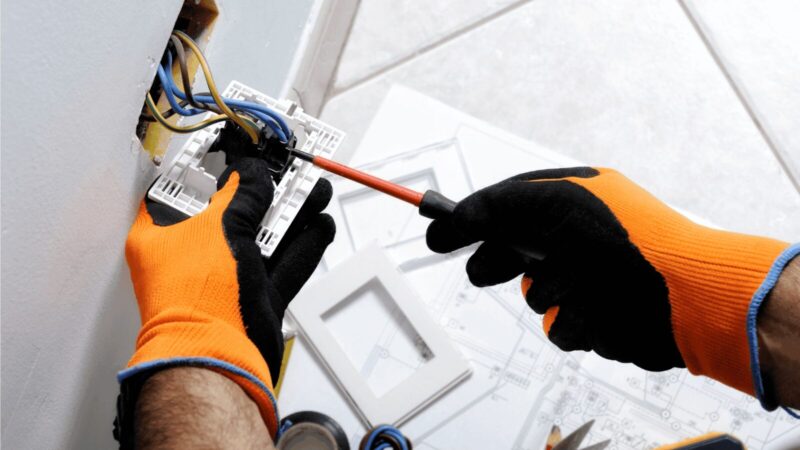
Electrical work is one of the most critical areas where homeowners must be cautious. Faulty wiring is a leading cause of electrical fires in the UK.
What DIY electrical work is allowed in the UK?
You can legally carry out simple tasks such as replacing light bulbs, replacing damaged socket covers (like-for-like) and changing light fittings, provided you are competent. However, any work involving the addition of new circuits, working in “special locations” like bathrooms or replacing a fuse box falls under Part P of the Building Regulations. This work must either be done by a qualified electrician or inspected and certified by building control.
Circuit Breakers – Safe DIY Steps
If your power goes out, knowing how to handle circuit breakers is essential.
- Resetting a trip – You can safely reset a tripped circuit breaker by flipping the switch back to the ‘ON’ position.
- Persistent trips – If a breaker trips repeatedly, do not keep resetting it. This indicates a fault in the home’s electrical system or a specific appliance.
- Warning – Never attempt to replace circuit breakers yourself. This requires specialist tools and professional expertise.
When To Call In The Experts For Electrics
You should call a qualified electrician immediately if you notice:
- Burning smells – A fishy or burning plastic smell is a sign of overheating components and potential fire hazards.
- Flickering lights – Persistent flickering can indicate loose connections or grid issues requiring professional diagnosis.
- Rewiring needs – If your property has outdated wiring (often indicated by rubber or fabric-coated cables), you need a professional to assess and upgrade the system.
Complex Tasks And Costly Mistakes
According to Ben from Pristine Building Solutions, “Certain projects appear manageable but often result in costly damage when they go wrong. Complex tasks like plumbing repairs involving waste pipes, structural work or extensive tiling can quickly spiral out of control.”
For example, attempting to fix a leak under a bath without the correct equipment can lead to water pooling, mould growth, and damage to the ceiling below. This turns a small repair into a costly fix. Before starting, we always advise comparing the potential repair cost of a botched DIY job versus professional quotes. Often, hiring a professional is the more cost-effective choice because they get it right the first time.
Hiring A Professional – How To Vet And When

When the job is beyond your DIY skills, hiring a professional is the smartest move. However, finding a reputable tradesperson requires due diligence.
- Check certifications – For gas, check the Gas Safe Register. For electrics, look for NICEIC or NAPIT registration.
- Verify insurance – Always verify public liability insurance before hiring. This protects you if they cause damage to your property.
- Request references – Ask for recent job photos and references from previous clients to gauge the quality of their past work.
- Get multiple quotes – Obtain at least three written quotes to compare prices and ensure you are getting a fair deal.
Call In The Experts – Emergency And Regulatory Scenarios
Some situations demand immediate professional intervention to prevent safety risks and further damage.
- Structural risks – Any signs of bowing walls or cracks indicating structural collapse risks must be assessed by a structural engineer.
- Water ingress – After major flooding or significant leaks, professional contractors ensure proper drying and sanitisation to prevent long-term damp issues.
- Gas leaks – If you smell gas, turn off the supply and call the experts immediately. All gas work involves strict legal requirements and safety standards that only registered engineers can meet.
Experts DIY – When To Combine Both Approaches
A “hybrid” approach can be a cost-effective way to renovate. This involves hiring a professional for the technical, regulated parts of the job while you handle the labour-intensive but lower-skilled finishing touches.
- Split the work – Assign structural and electrical work to professionals. Once they have signed off on the safety aspects, you can take over painting, tiling or laying flooring.
- Coordinate timelines – Create a shared timeline with hired contractors. Ensure your DIY tasks don’t delay their progress or block access to essential areas.
Home Insurance, Permits and DIY vs Professional Records

Before starting major DIY work, verify your insurer’s position. Some policies may not cover accidental damage caused by DIY jobs. Additionally, retain receipts and compliance certificates for any work done by tradespeople. If you sell your home, you will need to prove that structural changes or electrical upgrades complied with building regulations.
Is 50k Enough to Renovate a House in the UK?
This is a common question. £50,000 is a healthy budget, but its sufficiency depends on the property’s condition and your location. For a standard 3-bed semi-detached house requiring cosmetic updates and a new kitchen and bathroom, £50k is often sufficient. However, if the project involves structural changes, a loft conversion or extensive damp proofing, costs can easily exceed this amount. Using a mix of DIY for finishing and experts for structural work can help stretch this budget further.
Where Can I Get DIY Advice?
For reliable DIY advice, avoid random forums. Instead, consult reputable sources like:
- Manufacturer guidelines for specific products.
- Hardware store workshops (e.g., B&Q or Wickes often have guides).
- Dedicated DIY YouTube channels with verified expert contributors.
How Often Should a Landlord Decorate in the UK?
While there is no strict legal timeframe, landlords typically redecorate every 3 to 5 years to keep the property in good condition and attract tenants. Between tenancies, a “refresh” (touch-up painting) is common practice.
Decision Checklist – Quick Rules For Certain Projects

Before starting, run your project through this quick checklist:
- Risk assessment – Is there a risk of fire, flood or injury? If yes, call a professional.
- Permits – Does this require planning permission or building control approval?
- Cost analysis – Is the cost of tools, materials and potential repair of mistakes lower than a professional quote?
- Time commitment – Do I have the time to finish this without leaving my home in disarray for months?
Resources and Next Steps
Knowing when to DIY and when to call the experts in the UK is about balancing ambition with reality. By respecting safety regulations and recognising the value of professional expertise, you can improve your home safely and efficiently.
- Check registers – Visit the NICEIC and Gas Safe websites to find qualified tradespeople.
- Build a contact list – Compile a list of local trusted trades for plumbing, electrics and building work.
- Prepare questions – Before hiring, prepare a list of questions regarding insurance, timelines and guarantees.
Got a building project, renovation, extension, new build or any other home improvement job you need help with?
At Pristine Building Solutions, we pride ourselves on delivering a high-quality, reliable and professional service to all clients, so if you’re looking for a reputable builder in Yorkshire, we can help. Get in touch with us now.