Every family feels the squeeze when bills arrive. Groceries seem to climb each week, utility costs rise with every season, and streaming subscriptions pile up until they rival the price of cable.
Are you looking for strategies that go beyond penny-pinching or deprivation? You want a path where your household feels just as comfortable, but costs less?
In this article, we’ll walk you through real, implementable methods – covering utilities, groceries, subscriptions, and habits – that can meaningfully slash your bills. Along the way you’ll see how small changes compound, and how you can retain the lifestyle you value while spending far less. Let’s begin.
Rethink the Budget Without Becoming Strict

Before cutting line items, you need a clear map. Many families assume they already know where every dinar is going, but surprises hide in subscriptions, impulse buys, and energy waste. Start with:
- A zero-based budget (assign every peso or dinar to a category)
- A “spend audit” for 30 days (track everything, no exceptions)
- A weekly check-in: are you overrunning any category?
Once you have clarity, you can set realistic reduction targets (e.g. “reduce grocery by 20 %,” “cut electricity by 30 %”). With that frame, all further moves are tactical and intentional.
Start with a Clear View of Spending
Before you can cut expenses, you need a sharp picture of where the money is going. Many families discover that small, forgotten costs add up, unused subscriptions, duplicate services, or bills that renew automatically.
A simple monthly review of bank statements can reveal these patterns. Some families even turn to digital tools that track recurring charges automatically; the BlackCat website is one example that helps households see exactly what’s draining their accounts and decide what can be trimmed.
Once you see the hidden leaks, it’s much easier to cut costs without touching the parts of life that bring comfort.
Slash Utility and Energy Bills – Comfort Still Wins
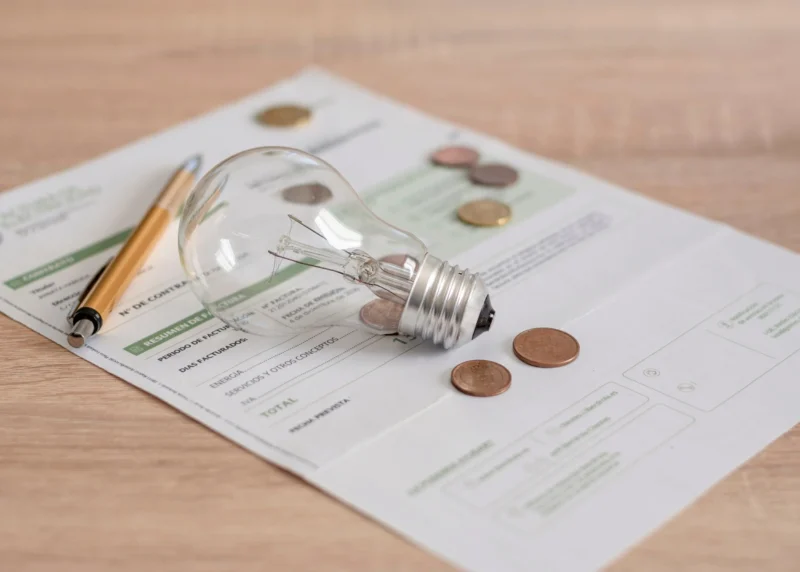
One of the largest line items in many homes is utilities: heating, cooling, lighting, water. The good news is that many efficiency gains cost little to implement.
Smart lighting and fixtures
Switching to LED lighting can reduce lighting energy use by up to 75 % compared to incandescent bulbs, and they last significantly longer. Energy Star–rated LEDs perform especially well in durability and efficiency. A full LED retrofit across your home could easily cut your lighting bill by half.
Insulation, sealing, and draft control
Unsealed gaps around windows, doors, or attic hatches let warm or cool air escape. Home sealing and insulation can reduce energy loss dramatically. Some estimates suggest that proper sealing and adding insulation can shave 10–15 % (or more) off heating and cooling bills.
Smart thermostat and zoned control
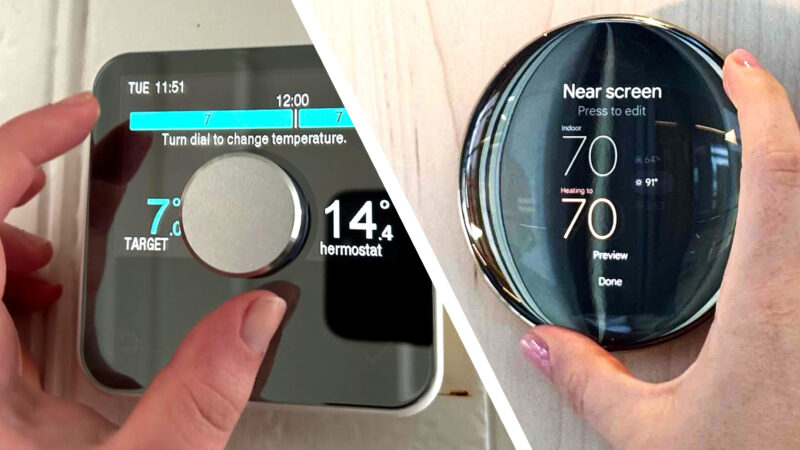
Rather than heating or cooling the entire home uniformly, use programmable thermostats or zoned heating to reduce waste in unused spaces. Lower your overnight or away setting by just a few degrees – those small changes add up.
Water heating and usage habits
Drop your water heater thermostat modestly (e.g. from 60 °C to 50 °C), install low-flow shower heads, and fix drips. Even modest reductions in hot water use can yield monthly savings without making showers miserable.
Did you know? The U.S. Department of Energy estimates that LED adoption in buildings already produces billions in cost savings annually – just by making a better lighting choice.
Below is a comparison to show how small shifts stack:
| Change | Typical Cost / Effort | Expected Savings* |
| Replace all bulbs with LEDs | One-time purchase | 50-75 % on lighting cost |
| Seal window and door gaps | Caulk, weatherstrips | 5-15 % on heating/cooling |
| Lower water heater temp + low-flow heads | Minimal | 5-10 % on water heating |
| Use programmable thermostat | Moderate | 5-20 % on HVAC usage |
* These are illustrative ranges; your results depend on climate, energy prices, and existing inefficiencies.
With those techniques, you may well see utility bills drop by a third or more, without feeling a colder home or dimmer lights.
Trim the Grocery and Food Bill – Eat Smart & Strategically
Groceries and dining out are among the most negotiable portions of a household budget. But the trick is to reduce without transforming your home into a bare pantry.
Meal planning with batch cooking
Decide weekly menus, build shopping lists around what’s on sale, and batch-cook meals or components you can reuse (grains, sauces, roasted veggies). It cuts waste, shopping trips, and impulse buys.
Embrace “less expensive luxuries”
Instead of meat-heavy dinners, use plant proteins (beans, lentils) or cheaper cuts on some nights. Use herbs, spices, or creative sauces for flavor rather than premium ingredients every time.
Smart bulk and seasonal buying
Buy nonperishables or freezer-friendly items in bulk when discounted. Use the seasonal produce; it’s often fresher, cheaper, and more nutritious.
Skip or curtail food waste
Track what spoils most in your kitchen and rework menus to consume those first. Freeze leftovers, use vegetable scraps in stocks, and monitor expiration dates proactively.
In many cases, applying these shifts can cut your monthly food/dining cost by 20–40 %. That’s real breathing room without ever feeling you’ve given up flavor or comfort.
Streamline Subscriptions, Insurance, and Discretionary Services
Subscriptions quietly bleed your budget. It’s common for families to forget about trial services, auto-renewals, or overlapping plans (streaming, cloud storage, magazine apps). Take these steps:
- List every subscription and recurring cost
Do a line search in your bank/credit card statements. - Categorize them by household value
Keep what you actively use and get benefit from; cancel what you don’t. - Negotiate or consolidate
Often you can bundle multiple services or negotiate better phone/Internet deals. - Use “pause” options
Instead of canceling entirely, some services allow you to suspend payments (e.g. seasonal use).
Similarly, check your insurance, auto, home, health, and shop annual renewals. You may find comparable coverage for less, or bundling discounts. Every few years, run comparisons.
Even if subscriptions constitute just 5–10 % of your spend, a 50 % cut there is a low-hanging fruit that preserves lifestyle while freeing capital.
Adjust the Big Fixed Costs (Housing, Transportation) Gradually

Cutting fixed costs often requires deeper moves, but they can be the key to truly halving expenses over time – without immediate discomfort if done thoughtfully.
Housing optimization
- Reconsider whether you need your current space: could downsizing, renting extra rooms, or subletting a portion help?
- Refinance mortgages or renegotiate rent. If interest rates have dropped, savings may be substantial.
- Take on home improvement projects gradually: better windows, insulation, or solar panels may have high upfront costs but long-term payoff.
Transportation makeover
- Carpool, use public transit, combine errands, or switch to a more efficient vehicle.
- If you have multiple vehicles, evaluate whether one can be sold or used as backup.
- Insure and maintain vehicles wisely – shop for rates, drive smoothly to reduce fuel costs, and delay replacement unless necessary.
Changes in housing and transport are not always instant. But over a few months to years, you can gradually reduce your fixed burden – making the “half the expenses” goal far more achievable.
Cultivate Mindful Habits That Sustain Savings
Even all the best tools fail if habits don’t align. To maintain long-term savings without discomfort:
- Monthly review sessions: budget vs actual, reallocate as needed
- “Delay or re-evaluate” rule: For any nonessential purchase over a threshold (e.g. $20), sleep on it 48 hours
- Energy/“off” culture: encourage household members to turn off lights, devices, standby mode
- Seasonal check-ins: re-evaluate utility usage, subscription utility, grocery patterns each quarter
- Reward reinvestment: Redirect a portion of freed-up dollars to home upgrades (insulation, better appliances) which further reduce future costs
These aren’t austerity rules – they are gentle guardrails that ensure gains stick without ever feeling oppressive.
Realistic Expectations and Pace
It’s tempting to expect instant “half-expense” cuts in 30 days – but that’s risky and often unsustainable. The better path is a phased approach:
- Month 1–2: Budget overhaul, energy/lighting upgrades, subscription cleanup
- Month 3–4: Grocery changes, renegotiations, transport tweaks
- Months 5–12: Housing and insurance moves, continuous habit reinforcement
Remember: The goal is not deprivation. It’s doing more with less. You want the home to feel just as cozy – maybe even better, because it’s smarter.
In Closing: Half the Expenses, Full Comfort

Cutting your monthly outlays in half may sound ambitious, but with clarity, strategic moves, and patience, it’s attainable. You don’t need to give up evening showers, warm rooms, weekend home cooking, or movie nights. What changes is how you power, plan, and pay for them.
Track what you already spend; shift the energy losses; cook with intention; trim hidden costs; and make structural changes over time. That’s how families go from “money squeezed” to “financial breathing space” – while still living comfortably at home.