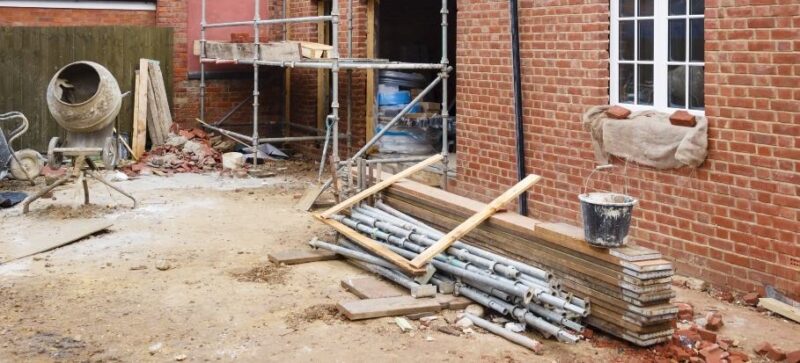
When homeowners feel short on space, the decision usually comes down to one question: is it better to extend or move house? There is no universal answer, because the right choice depends on budget, location, future plans, and how much disruption you can realistically handle.
Extending allows you to stay in a familiar area and tailor the space to your needs, while moving can offer a fresh start, a better layout, or a more suitable location without months of building work. Understanding how these options compare in real terms is the first step toward making a confident decision.
It’s a common issue – you love your home, but you need more space. Maybe you’re keen to gain a home office, or perhaps you want a gym. You might even have a new arrival on the way.
Whatever the reason, your current house, lovely as it may be, has started to feel a little cramped.
There are two main options available to you, but which one suits your situation better? You could get some plans drawn up and investigate options for extending, or you could start exploring the local property market.
Each option has its advantages and disadvantages, but there are some key things to consider when deciding which one is right for you.
Make Sure the Books Balance
Your budget is one of the first things to take a long hard look at when you’re weighing up a move vs. an extension. Of course, you’ll need to work out exactly how much money you have available for the project.
Beyond this, however, if you’re thinking seriously about an extension, you need to balance the cost of the building work against the value the extension will add to your house.
At some point, you may well want to sell your extended home, and spending £50k on an extension that adds only £20k to the house value will leave you out of pocket in the long run.
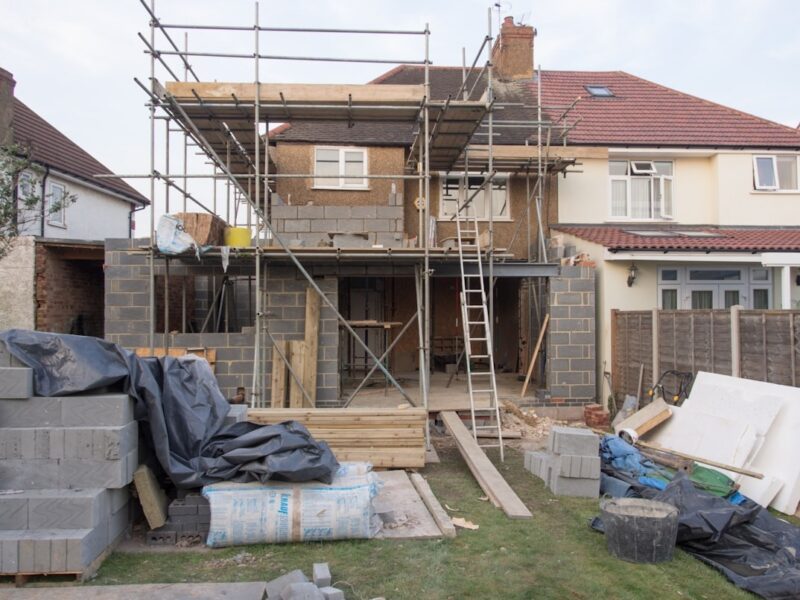
Next, put some serious thought into how much disruption you can realistically tolerate in your home environment. Building work is noisy, dusty, and rarely runs to schedule.
If you work from home, or you have young children, you might find that a move is the less disruptive of the two options.
One of the most stressful aspects of selling a home can be the lack of control over timelines and the pressure to be able to move fast when the right house becomes available.
This is where some house buyers in the UK are using services that find guaranteed cash buyers to avoid the uncertainty of a chain. This can help keep disruption to a minimum.

| Factor | Extending Your Home | Moving House |
|---|---|---|
| Upfront cost | Building work, planning, materials | Deposit, stamp duty, fees |
| Disruption | High during construction | Short but intense |
| Timeframe | Months, often delayed | Dependent on chain |
| Long-term flexibility | Limited by plot size | Wider choice of layouts |
| Emotional impact | Staying in familiar space | New environment |
Hidden Costs People Often Overlook
When weighing up whether to extend or move house, many homeowners focus on the headline figures and miss the quieter expenses that can quickly shift the balance. These costs are rarely obvious at the start, but they have a real impact on the final decision.
With an extension, planning-related expenses are often underestimated. Architectural drawings, structural calculations, surveys, and planning application fees add up before a single brick is laid. During construction, temporary living arrangements may be needed, especially if kitchens or bathrooms are affected. Even staying put can bring extra costs through higher utility bills, site security, or repairing areas damaged by heavy work.

Moving house comes with its own set of hidden expenses. Stamp duty, legal fees, valuation reports, and removal services can significantly increase the true cost of relocating. If you are part of a property chain, short-term storage or bridging costs may arise, and council tax or insurance rates can change once you move into a new area.
Commonly overlooked costs include:
-
Planning and survey fees before building work begins
-
Temporary accommodation or storage during an extension
-
Increased utility and insurance costs during construction
-
Stamp duty, legal fees, and removals when moving
-
Unexpected repairs or adjustments after settling into a new home
Long-Term Goals – What’s Driving You?
Beyond the practicalities we’ve outlined, there remains the real big-picture question – what do you want from life in the long term? What really lights you up?
The choice to extend might look sensible on paper – the budget says stay where you are, and you think you could handle the building project – but your dream house has just come on the market and it’s right near that company you’ve always wanted to work for.
If your budget can realistically stretch to the move – no multi-million-pound mansions – then don’t dismiss this option just because it’s not the most logical choice.
Like many things in life, choosing between extending your home or moving house comes down to a healthy mix of informed decision-making and gut feeling.
You wouldn’t want to make an impulsive leap in the dark, but it would be a mistake to let rigid thinking and timidity stop you achieving your dreams. Moderation, as always, is key.