
Is the South West still one of the UK’s safest long-term property bets, or is 2026 shaping up to be a more complicated year than headlines suggest? According to recent UK housing data, demand outside London continues to outperform historic averages, even as affordability pressures remain in play.
The South West sits right in the middle of that story. Lifestyle migration, second-home demand, and remote work have reshaped the region faster than many expected.
This guide looks at what buyers and sellers realistically face in 2026. Not hype, not panic, just practical signals, regional patterns, and decisions that matter if you are active in the market.
Where the South West Market Stands Entering 2026
The South West England property market enters 2026 in a more balanced position than the boom years, but stronger than many predicted during recent interest rate uncertainty. Price growth has slowed compared to 2021 and 2022, yet transaction volumes have stabilized rather than collapsed.
Lifestyle-driven demand remains a defining feature. Coastal towns, market villages, and commuter-friendly cities continue to attract buyers relocating from the South East and London. At the same time, local buyers are more price-sensitive, creating a two-speed market.
Key conditions shaping early 2026 include:
- Moderating mortgage rates compared to recent peaks
- Steady employment across professional and remote sectors
- Ongoing housing supply constraints in desirable locations
- Increased scrutiny of second-home and short-term rental ownership
This mix favors well-priced, well-presented homes rather than speculative listings.
Buyer Demand Patterns Across the South West

Demand in the South West is no longer uniform, and that matters for anyone planning a purchase in 2026. Buyers are far more selective than they were a few years ago, focusing on value, energy efficiency, and long-term livability rather than fear of missing out.
Urban centers with strong amenities continue to perform well, but rural and coastal demand has softened slightly for properties that require heavy renovation or have high running costs. Buyers now pause, calculate, and compare.
You will see the strongest demand in areas offering:
- Reliable transport links to major employment hubs
- Access to schools, healthcare, and everyday services
- Energy-efficient homes with manageable heating costs
- Flexible layouts suitable for home working
Interestingly, lifestyle buyers are spending more time furnishing and personalizing homes. Many turn to curated home and interior resources such as Magalleria when planning how a property will function day to day, which subtly influences purchasing decisions toward homes that feel adaptable rather than finished.
Regional Differences Buyers Should Not Ignore
The South West is not one market. It is a patchwork of micro-markets, each responding differently to national pressures. Buyers in 2026 need to think locally, not regionally.
Cornwall and coastal Devon continue to attract lifestyle and second-home interest, but pricing has become more negotiable, especially outside peak holiday zones. Bristol remains resilient due to employment diversity, while Bath’s historic premium pricing holds firm but leaves little room for overbidding.
More affordable growth pockets are emerging in parts of Somerset, Gloucestershire, and inland Devon. These areas appeal to buyers seeking space and value rather than prestige.
A simplified comparison helps frame expectations:
| Area Type | Buyer Competition | Price Flexibility | Long-Term Appeal |
| Major cities | High | Low to medium | Strong |
| Coastal hotspots | Medium | Medium | Lifestyle-driven |
| Inland towns | Medium | High | Value-focused |
| Rural villages | Low to medium | High | Selective demand |
Understanding where flexibility exists can save months of frustration.
Mortgage Conditions and Affordability in 2026
Affordability remains the single biggest factor shaping buyer behavior in 2026. Mortgage rates have stabilized compared to earlier volatility, but lending criteria remain cautious. Buyers are stress-tested more thoroughly, especially those relying on rental income or variable earnings.
First-time buyers benefit from slightly improved borrowing confidence, but deposits remain a barrier in premium areas. Buyers with strong equity or cash positions enjoy a clear advantage, particularly when negotiating.
Key affordability realities include:
- Higher scrutiny of household expenditure
- Preference for energy-efficient properties by lenders
- Tighter buy-to-let stress tests
- Increased use of longer mortgage terms
Important note ─ Affordability in 2026 is less about headline interest rates and more about lender confidence in long-term household stability.
This shift rewards buyers who prepare documentation early and understand their borrowing limits before viewing properties.
What Sellers Can Expect From the 2026 Market
For sellers, 2026 is about realism and preparation. The days of testing the market with ambitious pricing are largely gone, especially outside prime urban areas. Homes that sell well are priced accurately and presented clearly from day one.
Buyers are informed, cautious, and willing to walk away. That changes how sellers need to approach listings. Transparency, condition, and running costs matter more than aspirational marketing language.
Sellers who succeed tend to focus on:
- Competitive pricing based on recent local sales
- Clear energy performance information
- Minor upgrades that improve first impressions
- Flexible negotiation rather than rigid expectations
Homes that feel “move-in ready” attract stronger early interest, even if they are not newly renovated.
Energy Efficiency and Housing Standards
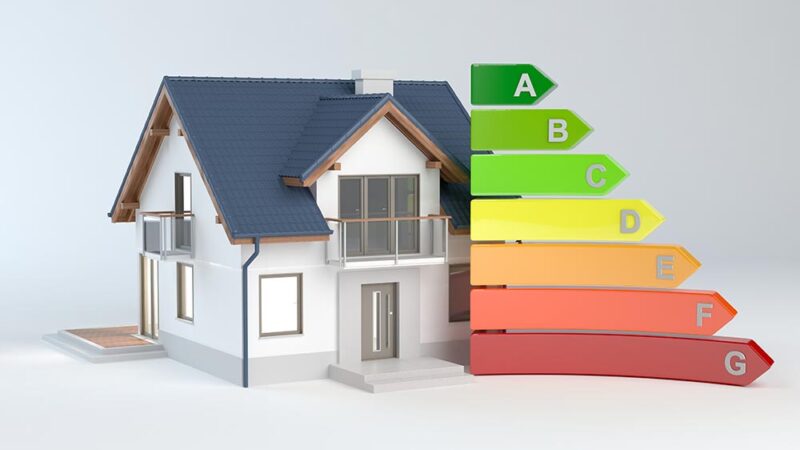
Energy performance is no longer a side issue. In 2026, it directly affects price, buyer interest, and mortgage eligibility. Homes with poor ratings face sharper negotiation pressure, while efficient properties stand out.
Buyers increasingly ask about insulation, heating systems, and long-term running costs during viewings. Sellers who cannot answer these questions confidently risk losing momentum.
Key features buyers value:
- Modern heating systems
- Double or triple glazing
- Clear EPC documentation
- Reasonable upgrade potential
Energy efficiency refers to how effectively a property uses energy for heating, lighting, and hot water relative to its size and construction.
This shift influences both valuation and buyer confidence.
Final Thoughts
The South West England property market outlook for 2026 is neither overheated nor declining. It is disciplined. Buyers have power through choice and information, while sellers succeed through preparation and realism.
This is a market where thoughtful decisions matter more than speed. Whether buying or selling, understanding local dynamics, affordability limits, and evolving buyer priorities will shape outcomes far more than short-term speculation.
For those willing to engage with the market as it is, not as it once was, 2026 offers opportunity without illusion.