Perfection. Aren’t we a bit too obsessed with it? It’s lurking behind every corner of our lives: perfect bodies, perfect lifestyle, perfect health, perfect interior. But when it comes to art and design, perfection is not always what counts, and it is what draws us closer. In fact, imperfect perfection is something that’s been continuously sought after in design.
Imperfection takes the edge off; it means humanity, it tells a story, and reminds us that living and being human is not about being perfect all the time.
But let’s dive deeper into what imperfection is in interior design, how it creates warmth, and how to achieve it at home.
The Imperfect Interior
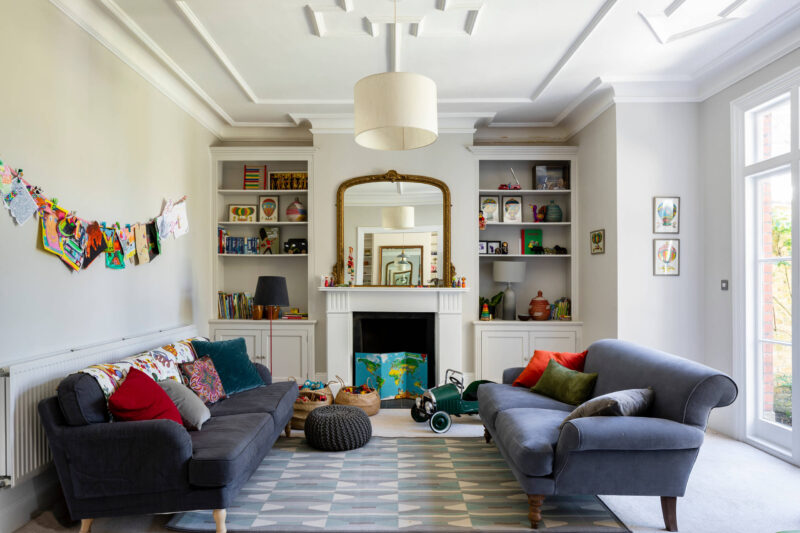
Perfection is cold, untouchable, unreachable. Imperfection tells you, “I’m human, just like you”. This is what subconsciously makes us feel seen and at home in a room.
Imperfection is what makes a place look lived-in. It reveals the beauty of age and invites us to sit down at ease with ourselves. And it’s in the imperfect touches we invite in our homes that the sense of belonging is found, reminding us that interiors, just like life, are their most beautiful when they embrace character over plain perfection.
Warm Imperfection: Natural Materials
Nature is perfect because it is imperfect. And the natural materials we surround ourselves with at home are the ones that bring the warmth we crave.
Wood, stone, leather, and metal possess a unique beauty that evolves with time. These materials age but age well, adding character and personality that manufactured perfection simply lacks.
For instance, brass, copper, bronze, and stainless steel will deepen with time and develop patina, tarnish, and oxidation that can enhance the vintage aesthetic of a well-lived-in place. Your oak floors and tables will mellow with time, textiles in rugs and cushions will soften, and leather will develop marks and creases that make it even more authentic and luxurious. Terracotta, clay pots, and dishes will eventually get natural wear that softens them. A piece of framed canvas art will also gain character over time, as slight fading or texture changes add depth and a sense of history.
All of this, in the end, will add to the warm feeling of a place that’s evolving in harmony.
Every crease will tell a story about the life lived in that home, the moments that have passed, the conversations that have been enjoyed.
The Charm Of Handmade & Artisan Pieces
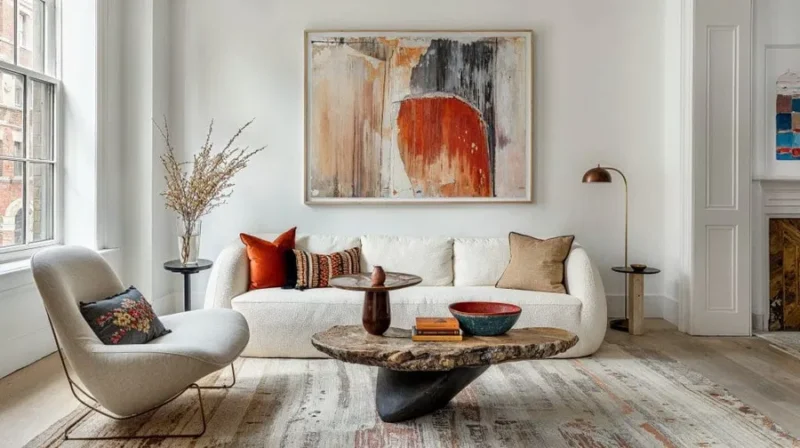
But it’s not just nature that you can rely on to bring that magical touch of beautiful ageing. Handmade pieces offer us a different kind of imperfection, the one we can find in art.
The touch of the craftsman is in the slight asymmetry, the unique details that signal to us that this is about authenticity. It’s nothing like mass-produced items. A hand-painted wall mural or bespoke cabinetry talks about individuality and skill, about a one-of-a-kind creation. Why is it so valuable? Because it’s made by a human and because humans are imperfect.
The Imperfectly Perfect Layout
That being said, materials and decor are still not where the beauty of imperfection is exhausted. It can also happen when you arrange a space.
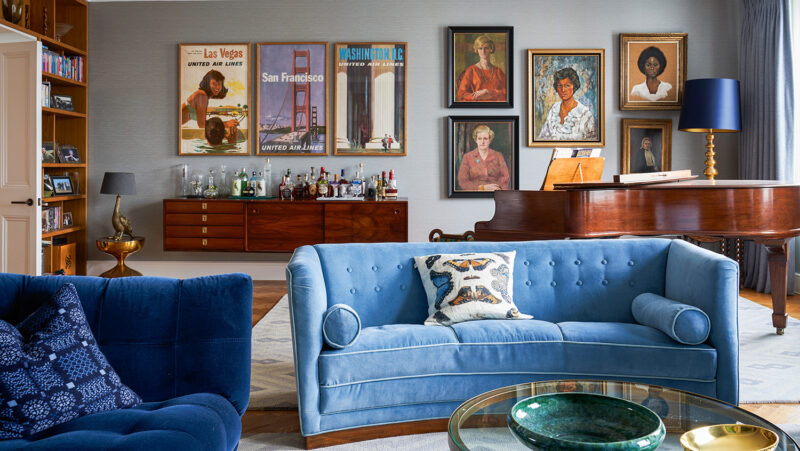
How we layer furniture, decor, or an asymmetrical gallery brings a sense of spontaneity and personality that perfectly matched arrangements often lack. Do you have a curated bookshelf with objects of varying heights, textures, and colours? If you don’t arrange one and feel how the dynamic changes, how the place will invite exploration, whereas a perfectly aligned set will feel static and impersonal. Allow for small irregularities in your layout to bring out individual interest and reflect your own personality – of how you live in your own space.
The Psychological Influence of Imperfect Design
Yes, whether a place is perfect or imperfect will affect how you perceive it and how you feel in it. Space that embraces slight flaws and asymmetry is approachable, warm, comforting, and encouraging of relaxation and connection because it is in such a place that you feel the freedom to be yourself, imperfect as you are.
In contrast, when we turn our attention to the perfect interior, we suddenly feel cold, distant, and even intimidated. A room without a personal expression will not invite you to have one, either.
These feelings are further backed up by the strong link between authenticity and well-being. The environments that reflect the nuances of real life are the ones that help us ground emotionally. Imperfect spaces feel like home because they mirror the unpredictability and richness of everyday real life.
How to Embrace the Imperfect Interior
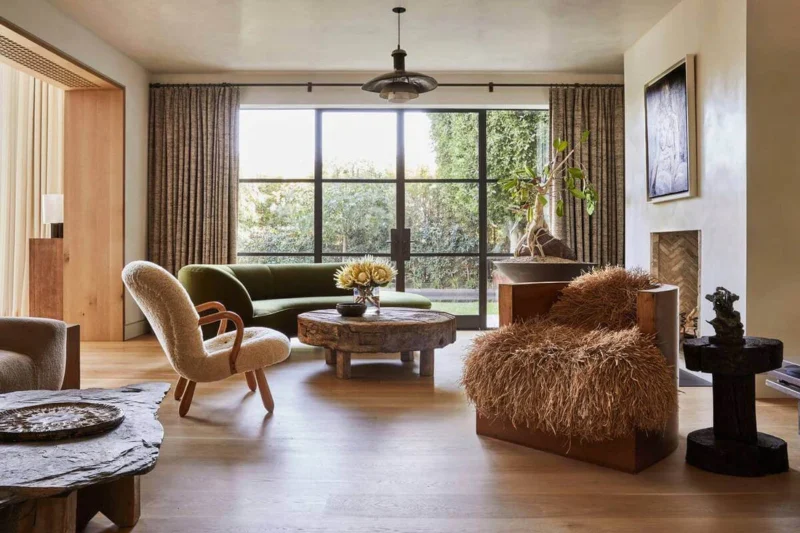
Now, all that being said, allowing for imperfection in your home is not the same as living without style but celebrating individuality and character.
Mix new and vintage pieces, choose quality natural materials, and allow them to age and develop patina over time. Allow asymmetry in layouts, gallery walls, and decorative grouping. Or simply, rethink flaws as elements of character rather than mistakes, so that instead of “fixing” them or removing them, you let them stay and create a richer, inviting atmosphere.
Imperfection isn’t a flaw; it’s your key to a place that will remember you and tell the stories of a time well spent in your perfectly imperfect human life.