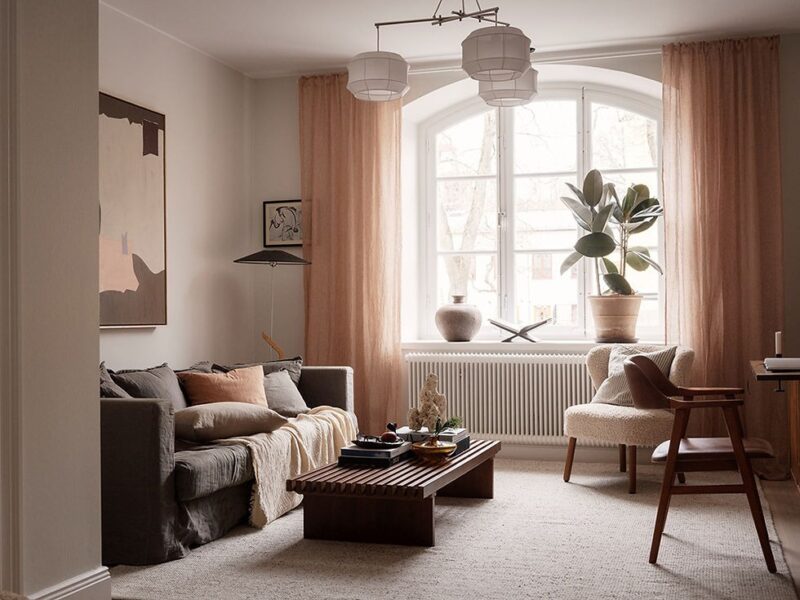
As we move further into the 2020s, the way we live and work is continuing to evolve. Over the next few years, we’re likely to see these changes reflected in the homes we live in.
The impact of the pandemic, advances in technology, and the growing awareness of sustainability are all factors shaping the future of housing in London.
In 2026, homes in the capital will look and feel quite different from what we’re used to.
As a homebuyer or homeowner, understanding these trends can help you make informed decisions about your property, whether you’re moving, renovating, or simply looking to adapt to the future.
Flexible living spaces
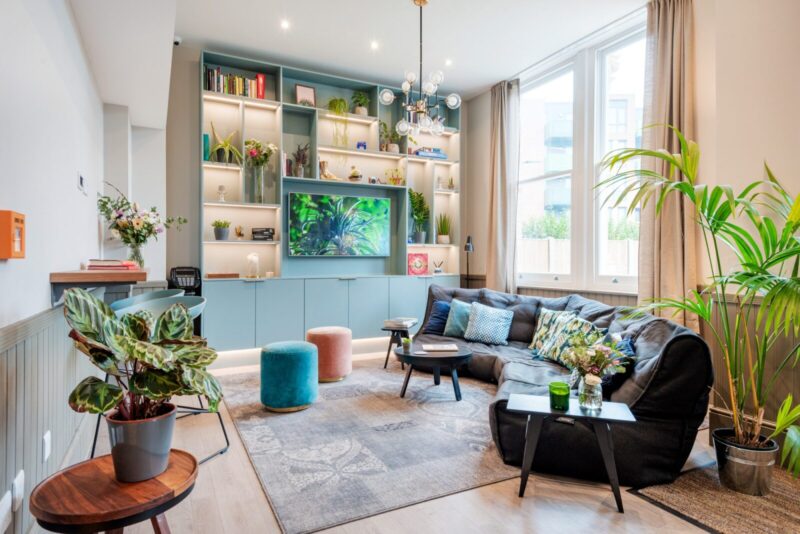
The demand for flexible living spaces is growing, as more people balance work, study, and leisure at home. In 2026, you can expect to see homes designed with multifunctionality in mind.
Think open-plan layouts that can easily be adapted into separate zones – a living room can quickly transform into an office.
Modular furniture, which can be reconfigured, will become more popular, giving you the ability to change your space without committing to expensive renovations.
Whether you’re hosting friends, working from home, or taking a moment to relax, these adaptable spaces will give you the freedom to live your way.
Technology-focused
Technology will continue to play a significant role in shaping the design and functionality of homes. In 2026, smart home systems will be seamlessly integrated into everyday life.
Expect to see everything from energy-efficient lighting to smart thermostats and voice-controlled assistants. Estate agents in London are already noticing that buyers are increasingly interested in homes with built-in tech that enhances convenience and energy management.
As more homes become interconnected, the ability to control various systems from your phone or tablet will make life easier and more efficient.
Sustainability
As environmental concerns continue to grow, sustainability will become a key consideration in the design and construction of new homes.
In 2026, eco-friendly materials and energy-efficient features will be standard rather than optional.
Expect to see more homes with solar panels, rainwater harvesting systems, and green roofs that contribute to both energy savings and biodiversity.
More developers will be looking at sustainable building materials like recycled bricks and natural insulation to meet the demand for greener living.
These homes not only reduce your carbon footprint but also offer long-term savings, making them a practical choice for future-focused buyers.
Outdoor and wellness
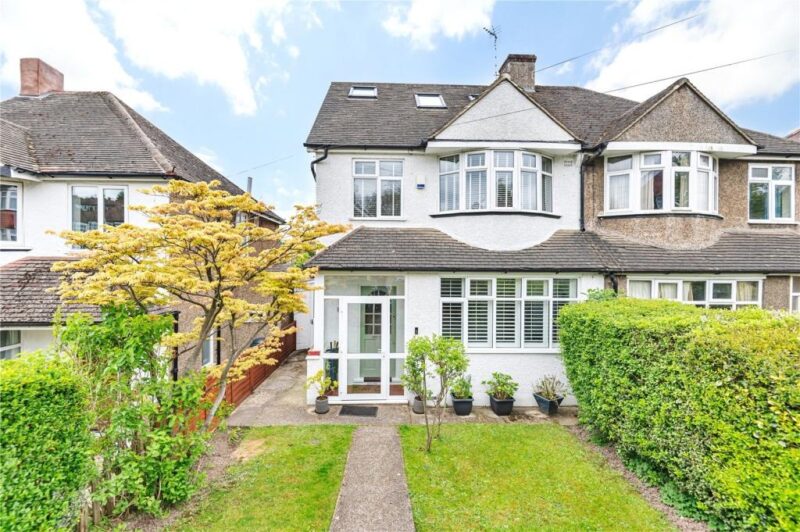
Finally, the focus on outdoor living and wellness will become even more prominent.
The importance of natural light, fresh air, and access to outdoor spaces will be essential components of many London homes in 2026.
You might find properties with private gardens, balconies, or shared community spaces that promote socialising and relaxation.
Wellness-oriented features such as home saunas, integrated fitness areas, and soundproof rooms will also rise in popularity.
These spaces encourage a lifestyle that balances work, health, and recreation, providing you with a well-rounded environment to thrive in.
As the importance of wellbeing grows, your home will evolve into more than just a place to live.