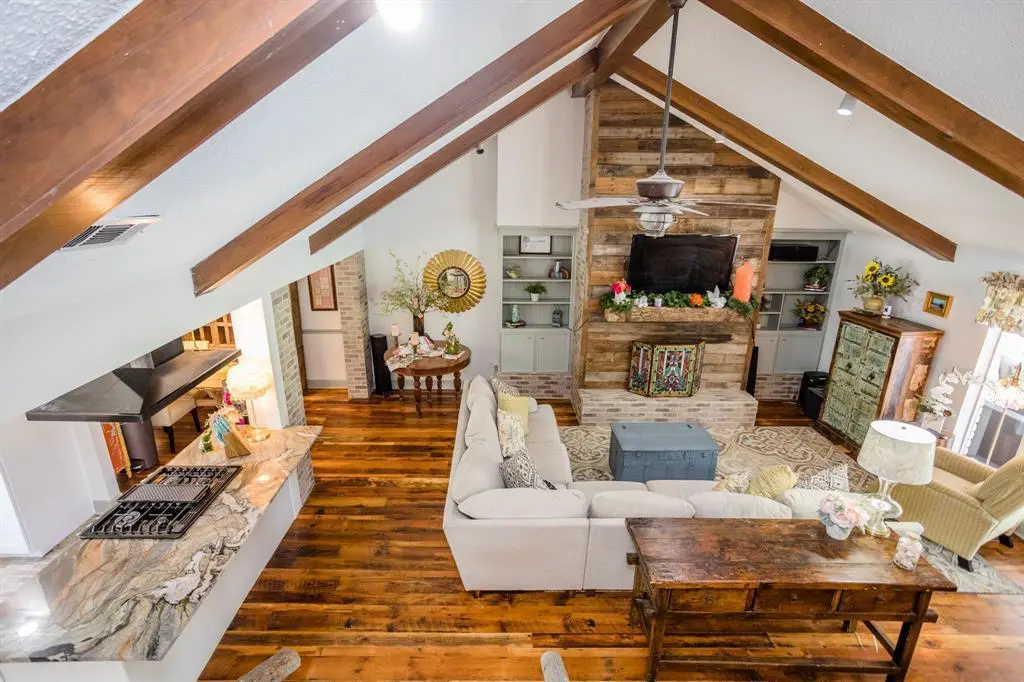
Sustainable design is shifting toward materials that combine visual appeal with a sense of history. Elements that show age, texture, and authenticity are now seen as assets rather than flaws. This evolution is reshaping how we define modern interiors.
Incorporating old wood into interior design offers a unique opportunity to blend sustainability with aesthetic appeal. This approach not only contributes to environmental conservation but also infuses spaces with warmth and character.
Reclaimed wood, often sourced from old barns, factories, or warehouses, carries a rich history and distinctive patina that new materials simply cannot replicate. As we delve into the various ways reclaimed wood can be utilized in interior design, we’ll explore its versatility, the trends influencing its use, and practical considerations for integrating it into modern living spaces.
The Allure of Reclaimed Wood
Sustainability and Environmental Impact
Reclaimed wood is a sustainable material choice, as it repurposes existing resources, reducing the demand for new lumber and minimizing deforestation. By choosing reclaimed wood, homeowners contribute to the reduction of waste and the conservation of forests, aligning with eco-conscious living practices.
Aesthetic Appeal and Unique Character
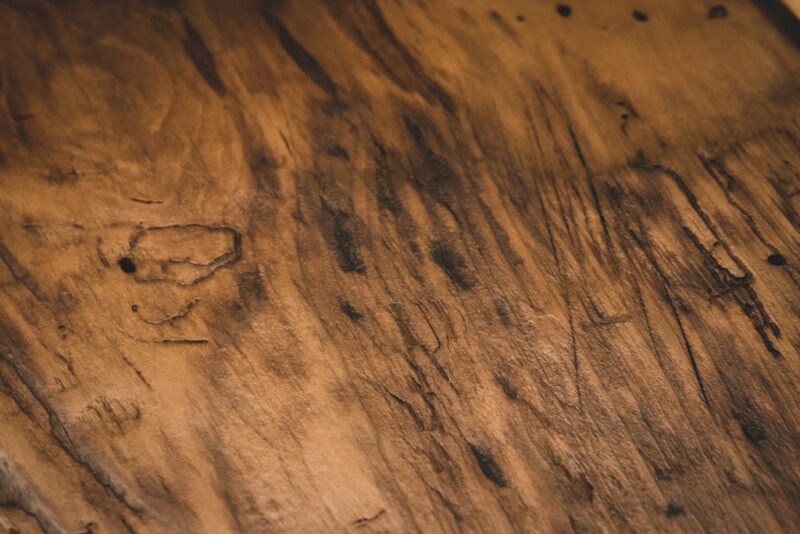
Each piece of reclaimed wood tells a story through its unique grain patterns, knots, and weathered textures. These characteristics add depth and personality to interiors, creating spaces that feel lived-in and authentic. Whether it’s the rich hues of aged oak or the rustic charm of barn wood, reclaimed materials bring a sense of history and craftsmanship to modern design.
Integrating Reclaimed Wood into Interior Spaces
Wall Cladding and Paneling
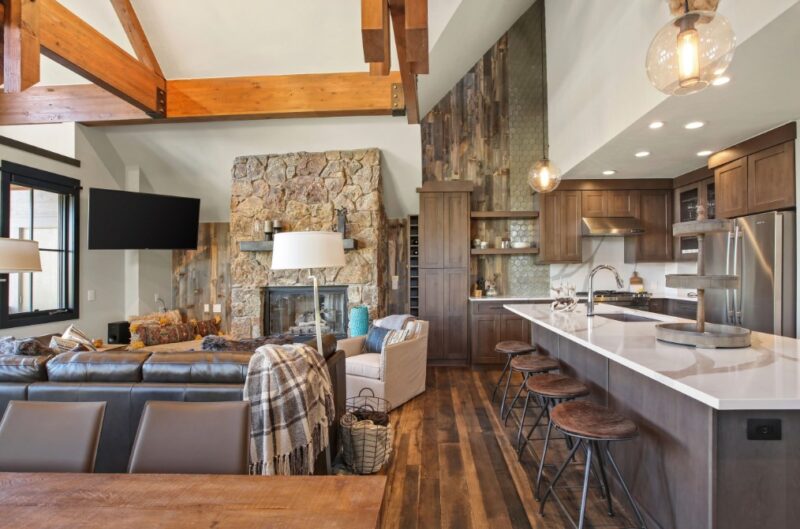
Wood-panelled walls are making a strong comeback in interior design. In 2025, full wood paneling, including reclaimed wood, is being used to create bold design statements. These walls serve as focal points, adding texture and warmth to rooms. Whether through vertical slats or reclaimed barn wood, paneling can transform a space, making it feel more inviting and grounded.
Flooring
Reclaimed wood flooring offers durability and a timeless aesthetic. Hardwoods like oak and walnut, when salvaged and refinished, provide sturdy surfaces that age beautifully. The natural variations in color and grain ensure that each floor is one-of-a-kind, adding character to any room.
View this post on Instagram
Furniture Pieces
Incorporating reclaimed wood furniture into interiors adds functional artistry. Pieces such as coffee tables, bookshelves, and dining tables crafted from salvaged wood showcase the material’s versatility. The blend of craftsmanship and sustainability makes these furniture items both practical and statement-making.
Ceiling Beams and Accents
Exposed reclaimed wood beams can add architectural interest to ceilings. Whether in a rustic farmhouse or a modern loft, these beams introduce texture and a sense of scale to a room. Additionally, reclaimed wood can be used for mantels, shelving, and other accents, enhancing the room’s overall design.
Design Trends Influencing Reclaimed Wood Usage
Emphasis on Sustainability
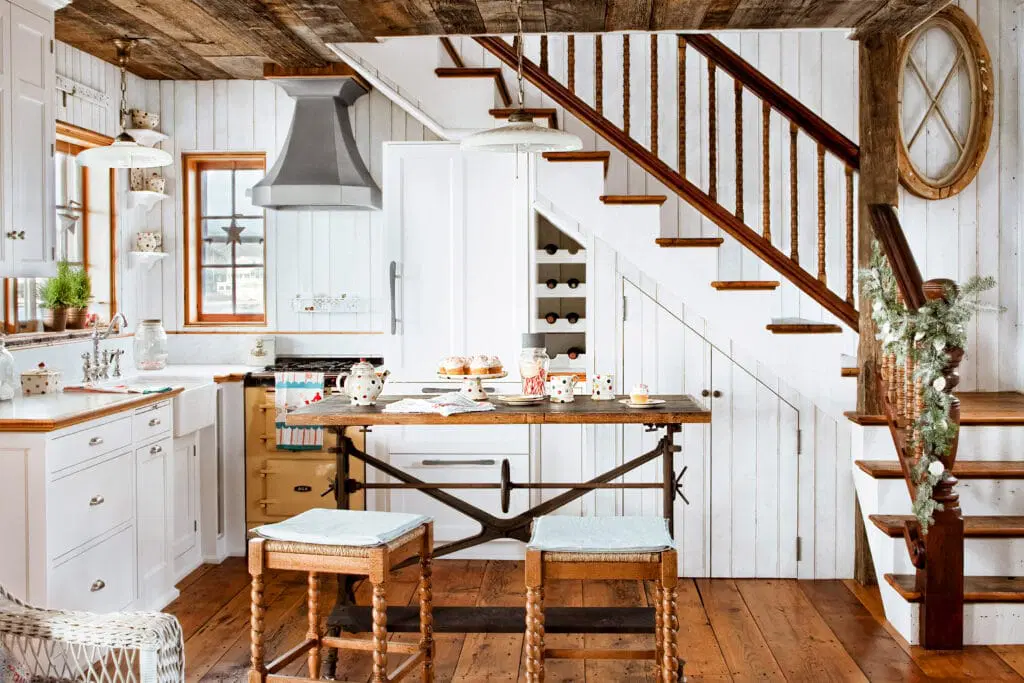
The growing emphasis on sustainability in interior design has led to a resurgence in the use of reclaimed materials. Homeowners and designers are increasingly seeking eco-friendly options that do not compromise on style or quality. Reclaimed wood fits this demand perfectly, offering both environmental benefits and aesthetic appeal.
Revival of Traditional Styles
Traditional design elements, such as Arts and Crafts and Craftsman styles, are experiencing a revival. These styles emphasize handcrafted details and natural materials, making reclaimed wood an ideal choice. Incorporating reclaimed wood into these designs enhances authenticity and connects modern interiors with historical craftsmanship.
Maximalist Aesthetics
The shift towards maximalism in interior design embraces bold colors, patterns, and textures. Reclaimed wood, with its varied hues and textures, complements this trend by adding depth and interest to spaces. When used thoughtfully, reclaimed wood can be a focal point that enhances the overall design narrative.
Practical Considerations for Using Reclaimed Wood
Sourcing Quality Materials
When selecting reclaimed wood, it’s essential to source materials from reputable suppliers who ensure the wood has been properly treated and is free from contaminants. Certified reclaimed wood, such as that with FSC (Forest Stewardship Council) certification, guarantees that the material has been harvested and processed responsibly.
Maintenance and Care
Reclaimed wood requires regular maintenance to preserve its beauty and longevity. Applying appropriate finishes can protect the wood from wear and tear, while periodic cleaning ensures it remains free from dust and debris. Understanding the specific needs of the wood type used is crucial for its upkeep.
Balancing Aesthetics and Functionality
While reclaimed wood adds visual interest, it’s important to balance its use with other materials to maintain harmony in the space. Overuse of reclaimed wood can overwhelm a room, so it’s advisable to incorporate it strategically, ensuring it complements other design elements.
Conclusion
Integrating reclaimed wood into interior design not only enhances the aesthetic appeal of a space but also supports sustainable practices. By thoughtfully incorporating this material, homeowners can create interiors that are both stylish and environmentally conscious. Whether through wall paneling, flooring, or furniture, reclaimed wood offers endless possibilities for crafting unique and meaningful living spaces.