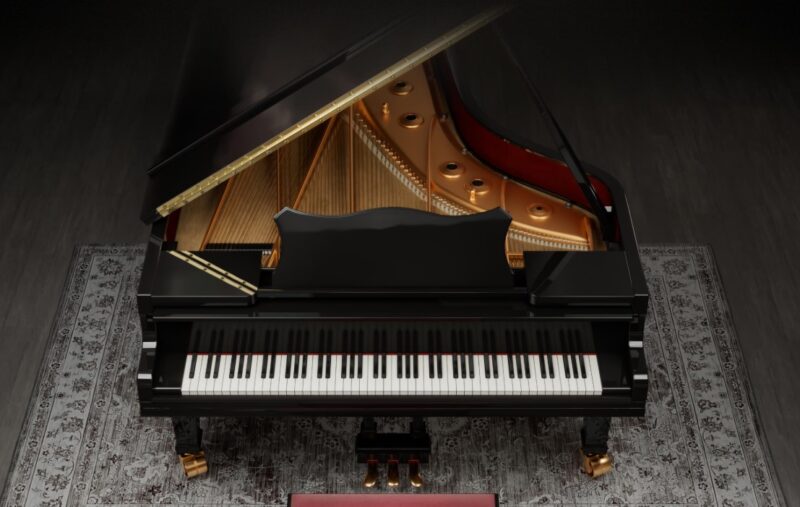
When it comes to adding elegance and timeless beauty to a home, few instruments compare to the grand piano. Its graceful curves, rich tones, and commanding presence make it more than just a musical instrument it becomes a statement piece.
Whether you’re an aspiring musician, a seasoned performer, or simply someone who appreciates fine craftsmanship, exploring grand pianos for sale can open the door to a world of artistry and sophistication.
But how do you choose the right one? With so many options available, it’s important to understand what makes each piano unique and how it can complement your lifestyle, skill level, and living space. This guide will walk you through the essential factors to consider before making your investment.
1. Why Choose a Grand Piano?
Grand pianos are often seen as the gold standard of pianos. Unlike upright models, their horizontal frame and longer strings allow for richer sound and greater dynamic range. The lid can be opened to project sound across a room, making them a favorite for concerts, recitals, and even intimate gatherings at home.
Beyond their sound, grand pianos offer unmatched aesthetic appeal. They bring a touch of luxury to any interior, whether placed in a modern living room, a classic study, or a dedicated music room. Many homeowners also see them as long-term investments that can hold, and sometimes increase, their value over time.
2. Sizing Matters
One of the first things to think about is the size. Grand pianos come in various lengths, from petite baby grands around 4’5” long to full concert grands stretching over 9 feet.
- Baby Grand (4’5”–5’6”): Ideal for smaller spaces like apartments or modest homes. They still deliver excellent sound quality but don’t overwhelm the room.
- Medium Grand (5’7”–6’4”): Offers a balance between size and performance, suitable for serious players who also need to consider space.
- Concert Grand (7’–9’+): Reserved for large venues and professional use. These produce the fullest sound and command the most presence.
Measure your space carefully before purchasing. Don’t forget to account for room to move around the piano and space for a matching bench.
3. Understanding the Sound
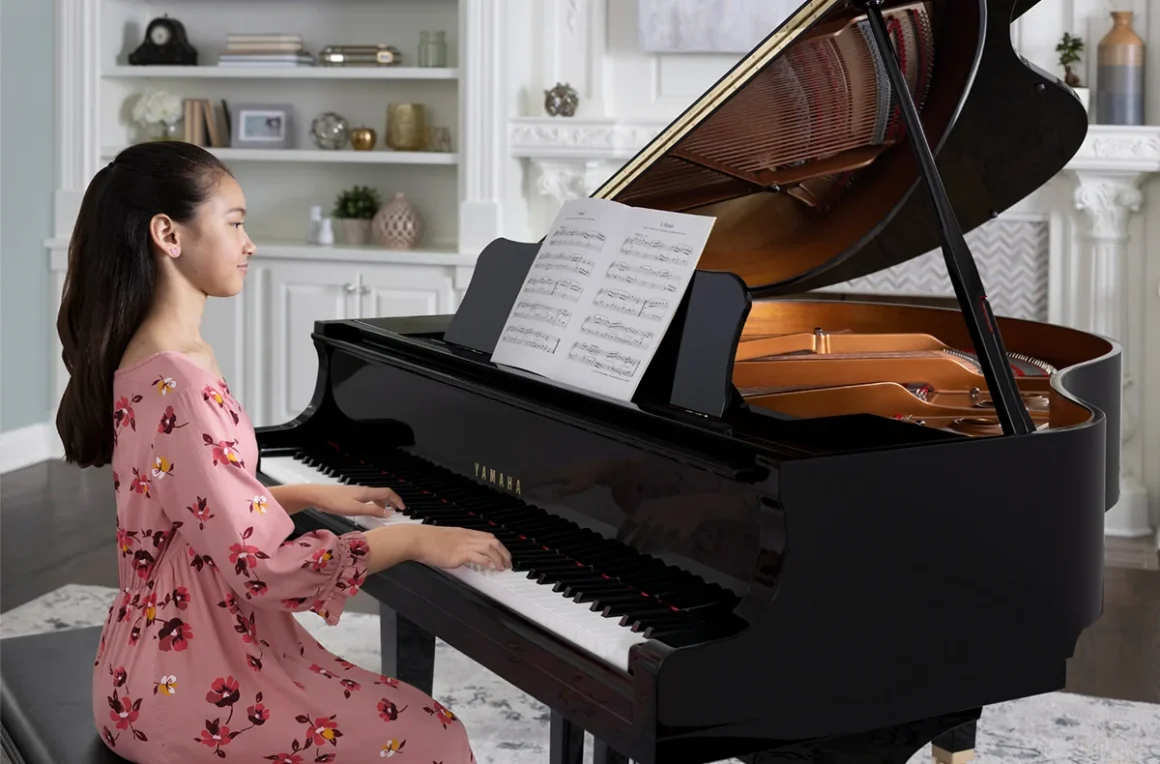
Every piano has its own “voice.” Two instruments of the same size can sound quite different depending on their brand, materials, and craftsmanship. When possible, play the piano before buying. Pay attention to the balance between the bass and treble, how responsive the keys feel, and whether the tone suits your personal taste.
If you’re new to pianos, bring along a teacher, technician, or experienced player to help evaluate. Their trained ear can often catch subtleties you might miss.
4. New vs. Pre-Owned
Budget often plays a big role in decision-making. While new pianos offer the advantage of warranty coverage and pristine condition, pre-owned models can provide excellent value. Many well-maintained grand pianos last for decades, and a carefully chosen used instrument can perform just as beautifully as a new one.
If buying secondhand, always have the piano inspected by a qualified technician. They will check the strings, soundboard, action, and overall condition, ensuring you’re making a sound investment.
5. Placement in Your Home
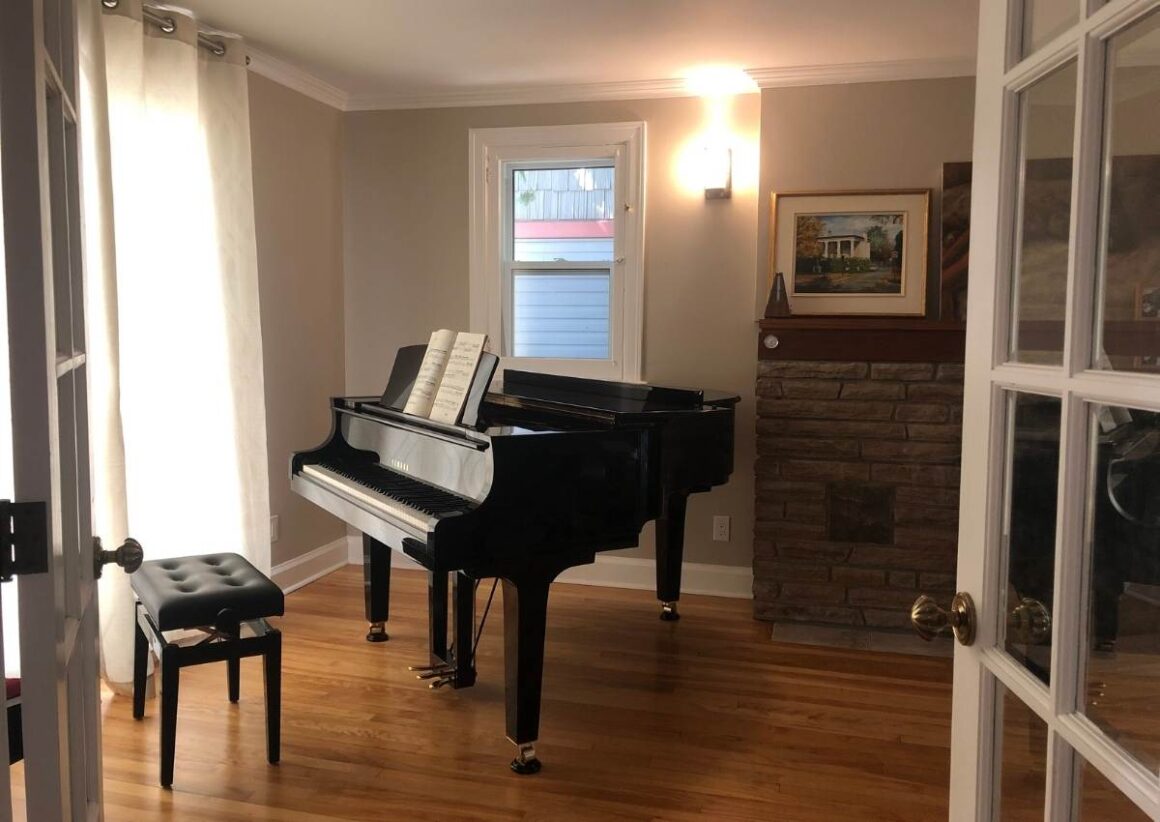
Where you put your piano will greatly affect both its performance and longevity. Avoid areas near heating vents, radiators, or direct sunlight, as changes in temperature and humidity can cause the wood to expand or contract. Ideally, maintain stable humidity levels around 40–50% to protect the instrument.
Acoustics also matter. A large, open space with high ceilings may allow the sound to bloom beautifully, while a smaller room might benefit from rugs, curtains, or other soft furnishings to absorb excess resonance.
6. Budget and Investment
Grand pianos vary widely in price depending on size, brand, and age. Entry-level baby grands may start in the lower thousands, while handcrafted concert grands can cost six figures. Think about your long-term goals: is this piano primarily for practice, performance, or as a decorative addition to your home?
Remember to factor in ongoing maintenance. Tuning is typically needed two to four times a year, and occasional regulation or voicing may be required to keep the piano performing at its best.
7. Choosing the Right Brand
Well-known piano makers like Steinway & Sons, Yamaha, Bösendorfer, and Kawai have built reputations for excellence. However, there are many other respected brands that deliver exceptional quality. Research each manufacturer’s strengths, read reviews, and compare their instruments side by side whenever possible.
8. Bringing Music Into Your Life
At its core, choosing a grand piano is about more than owning an instrument, it’s about creating moments. From learning your first song to hosting gatherings where music fills the air, a piano adds joy and connection to everyday life.
With the right choice, your piano will not only enrich your musical journey but also become a treasured part of your home for generations to come.