Many people dream of having a large bedroom, a space that feels luxurious and calm. But when you finally get one, you might find that all that extra space feels too open, even impersonal. Instead of feeling like a peaceful retreat, it can start to resemble an echoing classroom.
If you’re concerned that your new bedroom feels uninviting, follow our tips below to strike the right balance of warmth while maintaining a sense of space.
Use a Grand Bed to Command Attention
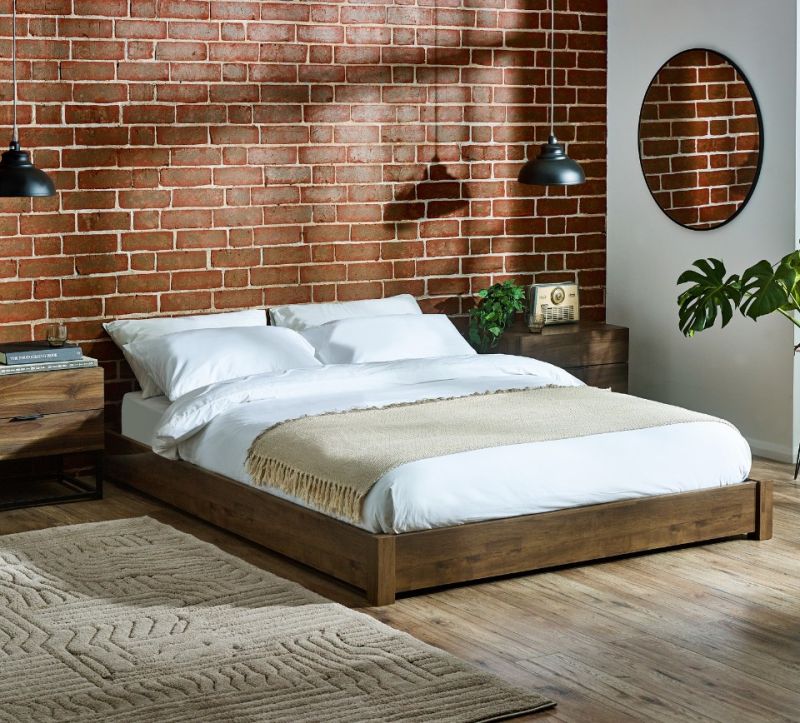
In a large room, a small bed can look lost, making the surrounding area feel even emptier. The quickest fix is to scale up your furniture. A substantial king-size bed frame instantly becomes the focal point, anchoring the entire layout and fill out the unused space. It fills the space visually and physically, creating a natural centre that draws the eye and restores proportion.
For added comfort, opt for a design with a high, upholstered headboard, perhaps in plush velvet or a textured weave. It adds height and softness, framing the sleeping area and giving it a cocoon-like quality. Matching side tables and lamps further enhance the symmetry, making the room feel cohesive and intentional.
Define Zones with Rugs and Furniture
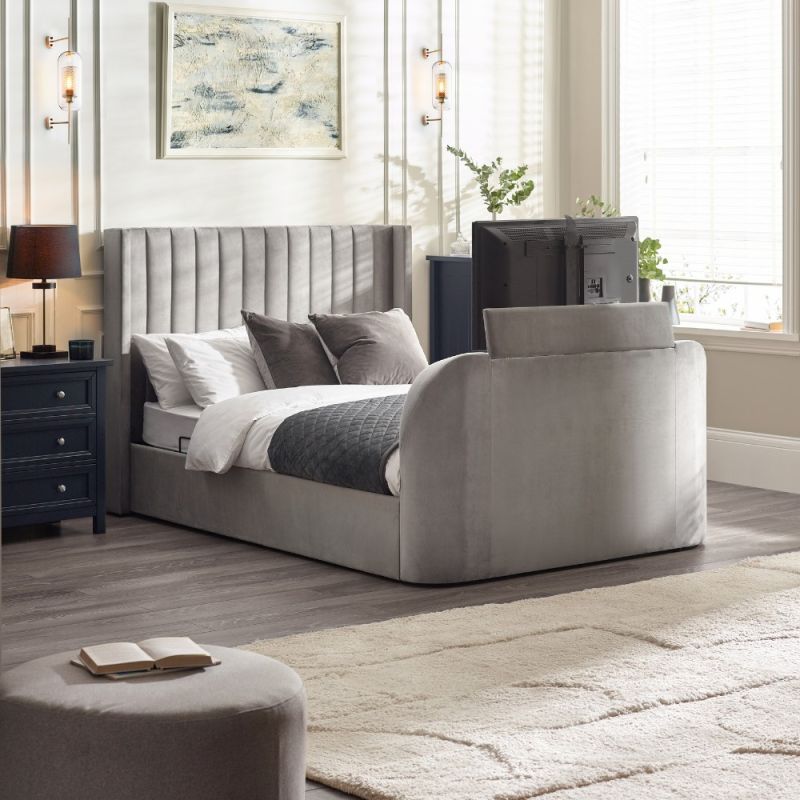
By pushing all your furniture against the walls, you’ll unintentionally emphasise the room’s vastness. Instead, pull key pieces inwards to create functional zones. Use a large area rug to define the sleeping area and add texture underfoot, ideally one that extends beyond the bed and bedside tables.
You can also create small zones for reading and working. A comfortable leather armchair and a floor lamp can transform an empty corner into a cosy reading nook. In another, you could add a full-length mirror by the wardrobe to help you decide on your outfits in the mornings.
Layer Textures for Visual Warmth
Large spaces often lack visual depth, which can make them feel cold or sterile. Layering can be a good solution, but think beyond just bedding; introduce a mix of tactile materials throughout the room. The base layer could be crisp cotton sheets, followed by a chunky knit throw.
Add cushions in varying fabrics, such as linen and velvet, and hang blackout curtains in a heavier fabric to soften the window edges. By adding layers, you can turn even the most minimalist large bedroom into a homely space you look forward to spending time in.
Introduce Ambient and Focused Lighting
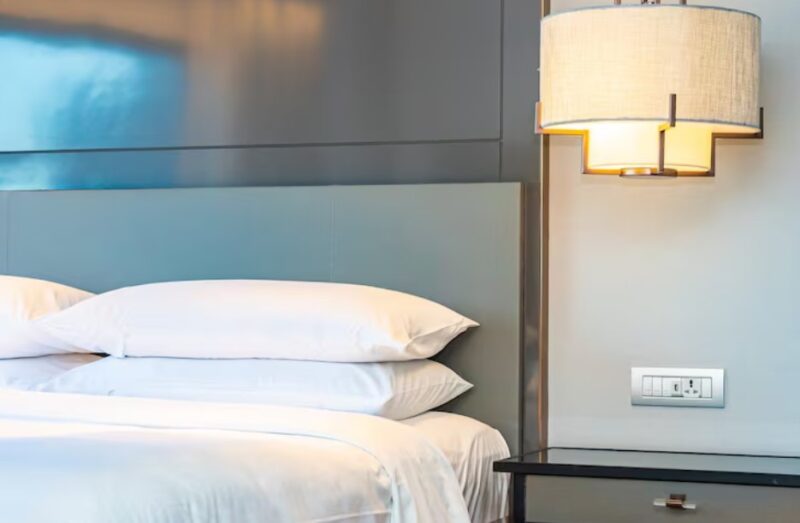
Solely relying on overhead lighting can make any room appear stark and flat, throwing shadows into corners. In your bedroom, use layered lighting at various heights to create a sense of intimacy. Try a combination of wall sconces, bedside lamps, and a statement floor lamp to illuminate key zones while leaving other areas softly shaded.
Warm-toned bulbs (around 2700K) are ideal for bedrooms, casting a gentle glow that helps you wind down. Dimmable switches can also help adjust the mood to bright when you’re dressing, and low and cosy when you’re relaxing.