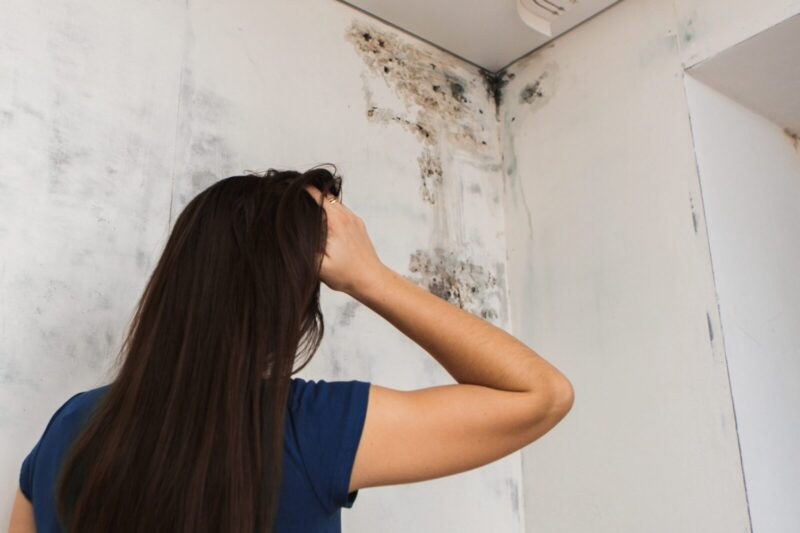
New research from Citizen’s Advice has revealed a stark and deeply troubling reality within England’s private rental sector: almost half (45%) of private renters are currently living with damp, mould, or excessive cold in their homes.
Even more alarmingly, nearly half of those affected (48%) say they have been dealing with these issues for more than a year, often with little or no action taken by their landlords.
Allerton Damp, a leading UK specialist in damp and mould remediation, warns that this situation highlights a critical gap in tenant protection.
While Awaab’s Law has recently transformed expectations and accountability within the social housing sector, requiring social landlords to investigate damp and mould within 14 days and begin necessary repairs within a further seven, no such protections currently exist for private renters.
Without similar legal deadlines for the private sector, the organisation argues, millions of tenants remain at risk of living in unsafe, unhealthy conditions for extended periods.
A Widespread but Underreported Crisis
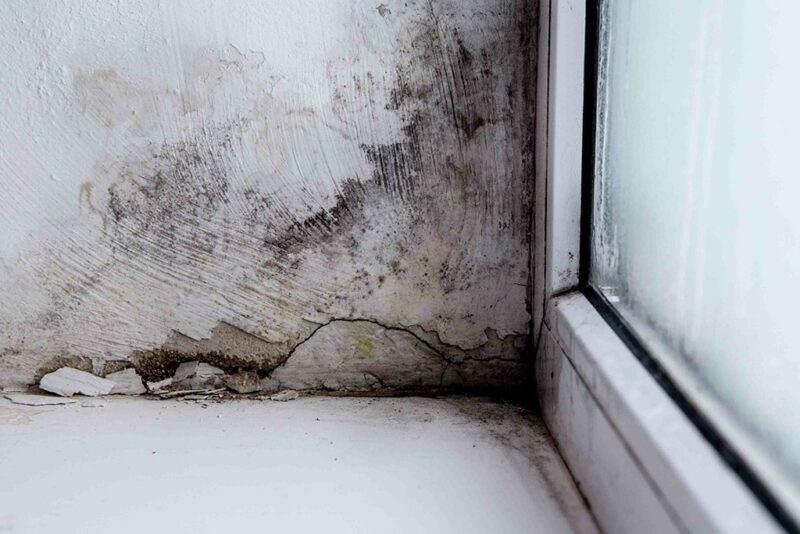
Recent UK housing surveys further reinforce the scale of the problem. Around 26% of private landlords reported damp or mould in at least one of their properties within the past year, and 18% said they had received complaints from tenants about these issues. However, experts widely agree that these figures almost certainly under-represent the true extent of the crisis.
Citizens Advice has repeatedly warned that some private landlords may choose to evict tenants instead of addressing repairs, effectively punishing renters for raising health and safety concerns.
This dynamic leaves many families stuck in a cycle of silent suffering, forced to endure unhealthy living environments because the risks of speaking up feel too high.
No Legal Timelines Mean Long-Term Exposure
In stark contrast to social housing, where Awaab’s Law now mandates strict response deadlines, private landlords in England face no legally enforceable timescales for investigating or addressing damp and mould.
This legal vacuum means tenants may be left waiting not just weeks, but months or even years before meaningful repair work is carried out.
For many households, especially those with young children, the elderly, or individuals with respiratory conditions, these delays can have serious health consequences.
Damp and mould are well-known contributors to asthma, breathing difficulties, skin irritation, and weakened immune response.
According to UK Government guidance on indoor health risks, even when mould is not visible, persistent dampness can still pose significant dangers, creating an environment where harmful spores can spread and accumulate.
Jordan Blackburn, Director at Allerton Damp, emphasises this point clearly:
“While The Awaab Effect transformed social housing, private tenants remain vulnerable. Introducing clear timescales for private landlords could prevent countless health issues and dramatically improve living conditions nationwide.”
A Systemic Challenge Highlighted by Allerton Damp
As a leading authority in damp and mould remediation across the UK, Allerton Damp sees firsthand how the absence of enforced deadlines affects renters.
Many tenants report waiting months before landlords even agree to investigate the issue, let alone carry out urgent repairs.
In some cases, the problem escalates walls become saturated, mould spreads from room to room, and entire households experience ongoing health problems that could have been prevented with earlier intervention.
“Without legal deadlines, tenants can wait months in unsafe conditions,” Blackburn says. “Clear obligations for private landlords could change that almost overnight.”
This lack of urgency not only places tenants at risk but also increases repair costs in the long term. Damp and mould rarely remain static; left untreated, they spread, compromise structural integrity, and create far more complex and expensive remediation challenges.
Allerton Damp argues that enforceable timelines would not only protect tenants’ health but also incentivise landlords to address issues before they become more serious and costly.
Why Awaab’s Law Matters and Why It May Need Extending
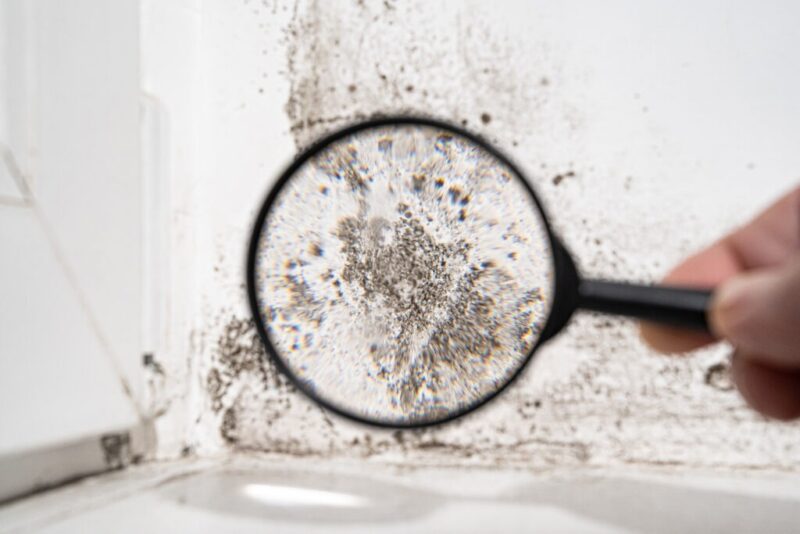
Awaab’s Law was introduced following the tragic death of two-year-old Awaab Ishak, who died from a respiratory condition caused by prolonged exposure to mould in his family’s social housing flat.
The legislation sets firm expectations for the speed with which social landlords must respond to hazards related to damp, mould, and other health risks.
Its success has been widely acknowledged. Since coming into effect, Awaab’s Law has driven improved reporting systems, faster repairs, and greater accountability across social housing providers.
However, with private renters now making up a growing share of the UK’s rental population and facing many of the same hazards it is becoming increasingly clear that the protections offered under Awaab’s Law may need to be mirrored in the private rental sector.
What Might Change Next?
With damp and mould affecting such a large proportion of private renters, the organisation believes that extending Awaab’s Law could be a critical step toward addressing what is rapidly becoming a public health concern.
Key discussions are now focusing on several potential policy measures, including:
- Introducing legal deadlines for private landlords to investigate reports of damp and mould, similar to those imposed on social landlords.
- Implementing enforcement mechanisms, such as fines, sanctions, or temporary management orders, for landlords who fail to comply.
- Strengthening tenant protections to prevent retaliation when renters make legitimate complaints.
- Assessing public health implications, ensuring rental standards are aligned with scientific evidence on indoor environmental risks.
- Creating accessible reporting routes for tenants who may currently fear reprisal for raising concerns.
Housing campaigners and tenant advocacy groups argue that improving damp and mould laws is not only a matter of safety but also one of social equity.
Lower-income families are disproportionately represented in poorly maintained private rentals, and the health impacts of substandard housing further deepen existing inequalities.
A Call for Action
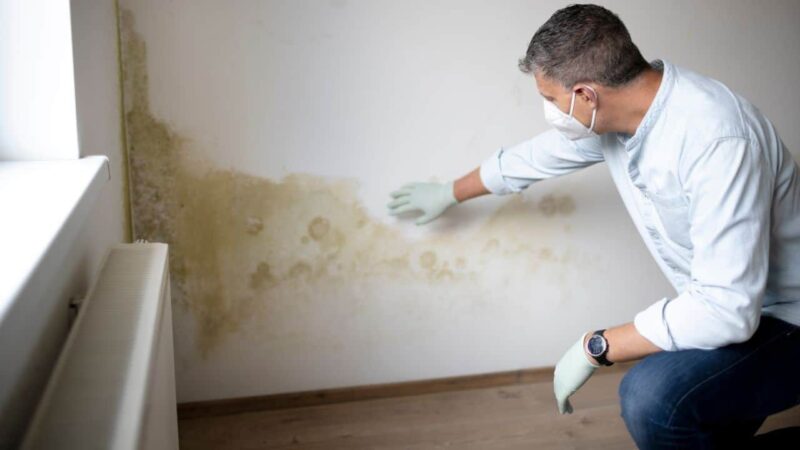
With nearly half of private renters living in conditions that could compromise their health and almost half of them waiting more than a year for meaningful action Allerton Damp is urging the government to consider whether the success of Awaab’s Law should serve as a blueprint for broader reform.