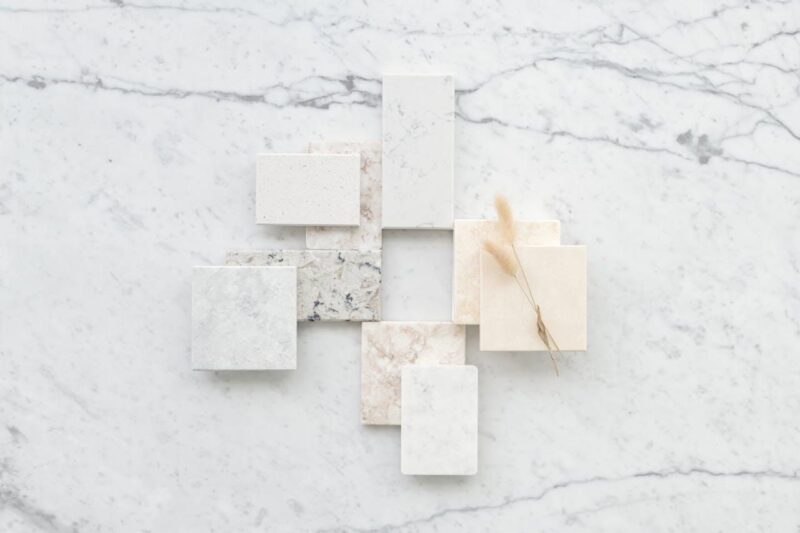
Choosing the right tile is only half the decision. The finish — matte or glossy — can completely change how a space looks, feels, and performs over time. Two tiles in the same color and material can behave very differently depending on their surface sheen.
For homeowners, designers, and builders, understanding the practical and visual differences between matte and glossy tiles is essential.
The wrong finish can mean slippery floors, constant cleaning frustration, or a space that feels darker than expected. The right finish enhances durability, safety, lighting, and overall design cohesion.
This guide breaks down the differences clearly and practically so you can make an informed choice.
What Are Matte Tiles?
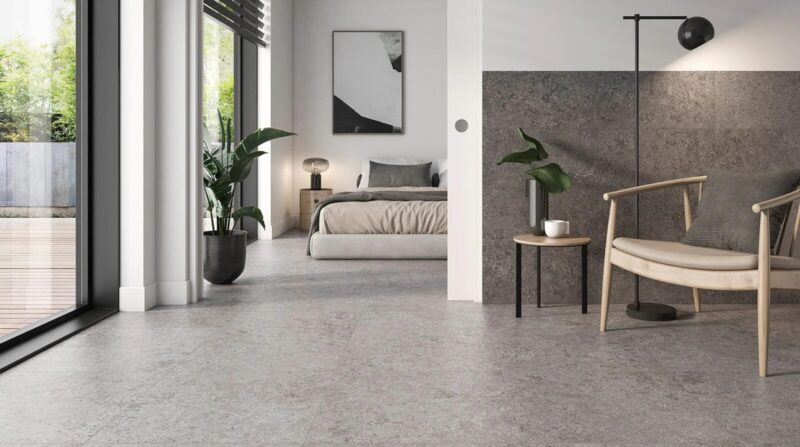
Matte tiles have a low-sheen, non-reflective surface. Instead of bouncing light around a room, they absorb it. The result is a softer, more muted appearance that often feels natural and understated.
Surface Characteristics
Matte tiles typically have:
- A flat or slightly textured surface
- Minimal light reflection
- A softer, more organic visual appeal
Because they don’t reflect glare, they tend to hide smudges, dust, and water spots better than glossy tiles.
How Matte Tiles Are Made
Matte finishes are created during the glazing or surface treatment stage of manufacturing. In porcelain and ceramic tiles, the glaze is formulated to reduce shine. Some matte porcelain tiles are also lightly textured to increase slip resistance, making them practical for floors and wet areas.
Common Materials Available in Matte Finish
- Porcelain (very common for floors)
- Ceramic
- Stone-look tiles
- Concrete-look tiles
Matte finishes are particularly popular in modern, industrial, rustic, and Scandinavian-style interiors.
What Are Glossy Tiles?
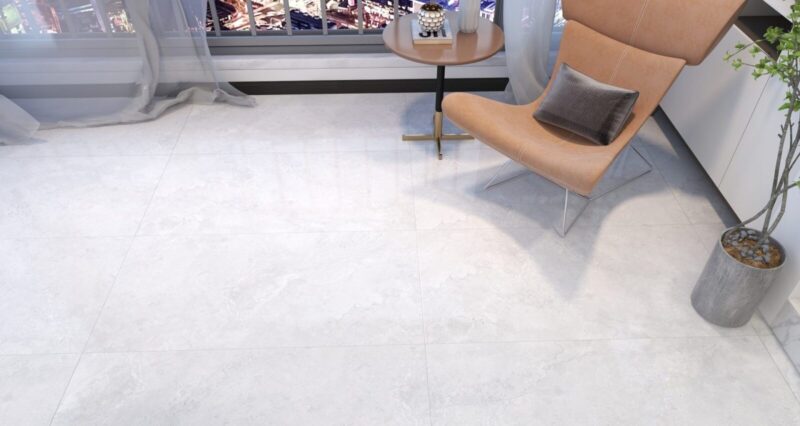
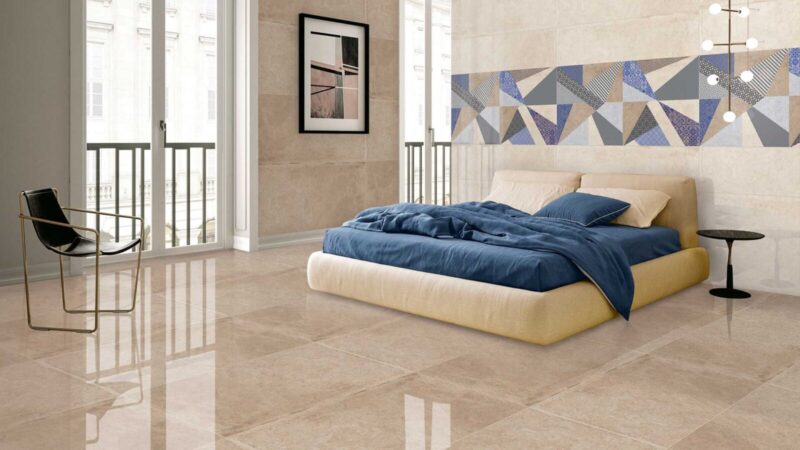
Glossy tiles have a smooth, high-shine surface that reflects light. They are typically coated with a polished glaze that creates a mirror-like effect.
Surface Characteristics
Glossy tiles are known for:
- Strong light reflection
- A sleek and polished appearance
- Smooth, glass-like texture
This reflective quality can make colors appear richer and deeper.
How Glossy Tiles Are Produced
Glossy tiles are manufactured by applying a high-gloss glaze to ceramic or porcelain tiles. In some cases, porcelain tiles are mechanically polished to achieve a reflective finish. The smooth surface makes them visually striking but also more slippery when wet.
Common Applications
- Bathroom walls
- Kitchen backsplashes
- Accent walls
- Decorative spaces
Because of their light-reflective nature, glossy tiles are often used to make smaller rooms feel brighter and more open.
Matte vs Glossy Tiles: A Detailed Comparison
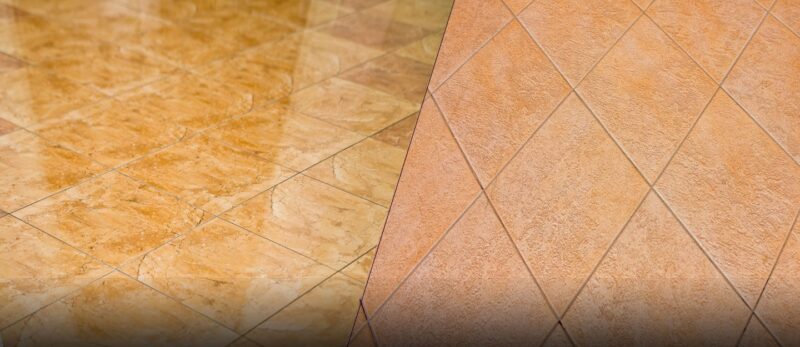
When deciding between the two, the differences go beyond appearance.
-
Appearance and Visual Impact
Matte tiles create a calm, contemporary feel. They reduce glare and produce a subtle, elegant backdrop. They’re ideal for spaces where you want warmth and texture rather than shine.
Glossy tiles, on the other hand, amplify light. In rooms with limited natural light, they can help brighten the space. They also tend to feel more formal or luxurious.
If you’re reviewing tile guides to help narrow down options, one of the first things to consider is how much natural and artificial light your room receives. Finish selection dramatically affects the final atmosphere.
-
Slip Resistance and Safety
This is one of the most important functional differences.
Matte tiles generally offer better traction. Their slightly textured surface provides more grip underfoot, making them suitable for:
- Bathroom floors
- Entryways
- Outdoor areas
- Homes with children or elderly residents
Glossy tiles are smoother and can become slippery when wet. For this reason, they are rarely recommended for shower floors or outdoor walkways.
-
Maintenance and Cleaning
Glossy tiles are easier to wipe clean because their smooth surface doesn’t trap dirt. However, they show:
- Water spots
- Fingerprints
- Smudges
- Soap residue
In kitchens and bathrooms, this can mean more frequent visible cleaning.
Matte tiles do a better job of concealing marks and streaks. However, heavily textured matte tiles may require slightly more effort during deep cleaning since dirt can settle into tiny surface variations.
-
Durability and Scratch Visibility
Source: tilefactory.com
Over time, surface wear matters.
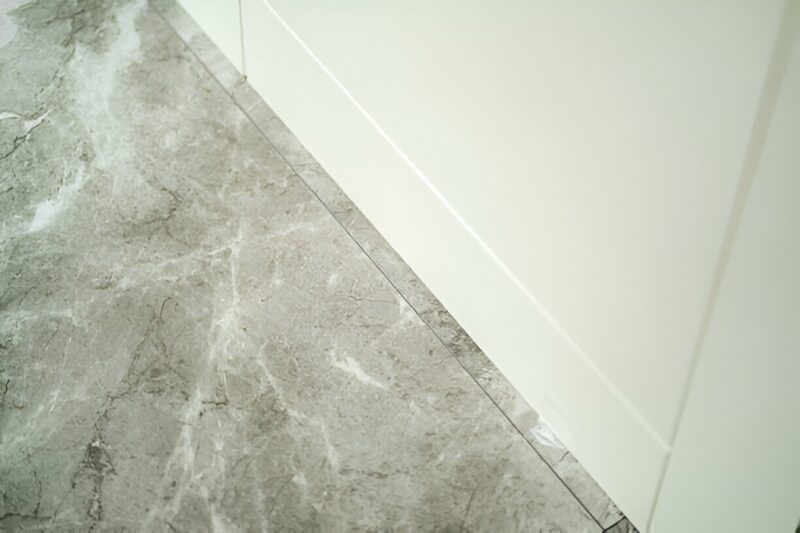
Matte tiles are generally better at hiding scratches and etching. Because they lack shine, minor abrasions are less noticeable.
Glossy tiles can show scratches more clearly, especially in high-traffic areas. On floors, that reflective surface may begin to show wear patterns faster than a matte finish.
For busy households, matte is often the more forgiving option.
-
Cost Considerations
Pricing differences typically depend more on material (porcelain vs ceramic) than finish. However, highly polished or specialty glossy tiles can sometimes cost more due to additional processing.
Installation costs remain similar, although glossy wall tiles may require more precision because their reflective surface highlights unevenness.
Where Matte Tiles Work Best
Matte tiles are highly versatile and often favored for functional spaces.
Bathroom Floors
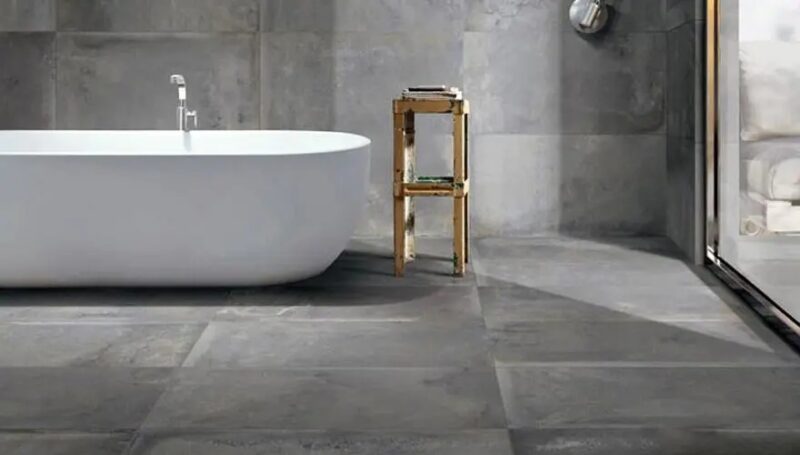
Slip resistance is critical in bathrooms. Matte porcelain tiles provide better grip, reducing the risk of falls.
High-Traffic Areas
Entryways, hallways, kitchens, and living areas benefit from matte finishes because they hide dirt and wear better.
Outdoor Spaces
Patios, pool surrounds, and walkways require traction. Matte or textured porcelain tiles are ideal for these conditions.
Natural and Contemporary Designs
Matte tiles complement:
- Industrial interiors
- Minimalist spaces
- Earth-toned palettes
- Concrete or stone-inspired designs
They create a grounded, sophisticated look without overwhelming the room.
Where Glossy Tiles Work Best
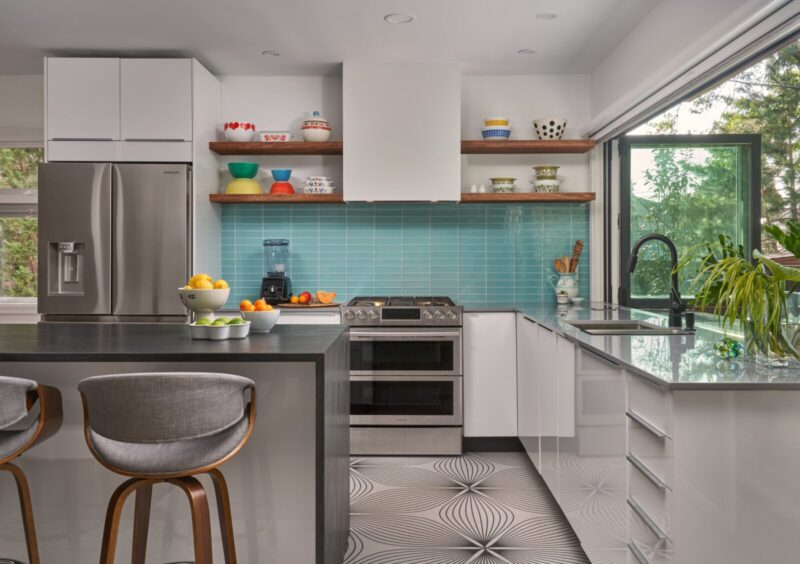
Glossy tiles excel in areas where reflection and easy cleaning are priorities.
Kitchen Backsplashes
Glossy ceramic tiles are extremely popular for backsplashes kitchen renovation because:
- They reflect under-cabinet lighting beautifully
- Food splatters wipe off easily
- They enhance brightness
Bathroom Walls
Glossy wall tiles create a clean, spa-like aesthetic and make smaller bathrooms appear larger.
Small Rooms or Dark Spaces
In powder rooms or compact kitchens, glossy tiles help bounce light around the space, making it feel more open.
Decorative Feature Walls
If you want a dramatic accent wall, glossy tiles can create visual depth and dimension.
Can You Mix Matte and Glossy Tiles?
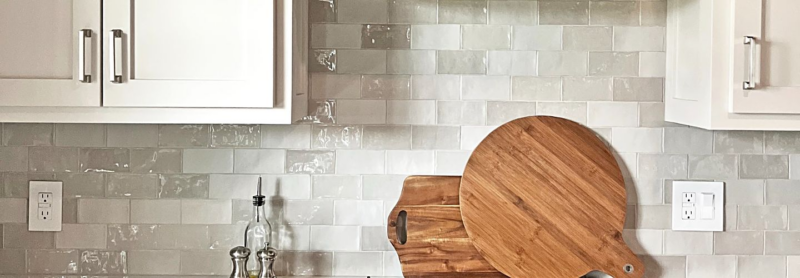
Absolutely. In fact, combining finishes is a smart design strategy.
One popular approach is using matte tiles on floors for safety and glossy tiles on walls for brightness. This balances function and aesthetics.
Another technique is using the same tile color in two finishes to create subtle contrast. For example:
- Matte floor tiles
- Glossy shower niche or backsplash
This layered look adds visual interest without overwhelming the space.
Common Mistakes to Avoid
- Using glossy tiles on frequently wet floors
- Ignoring lighting conditions when choosing finish
- Selecting based purely on showroom appearance
- Overlooking long-term maintenance preferences
Showroom lighting can exaggerate shine. Always consider how the tile will look in your home’s lighting conditions.
How to Decide: A Practical Checklist
Ask yourself:
- Will this area get wet frequently?
- How much foot traffic will it receive?
- Do I prefer low-maintenance surfaces?
- Is the space small or lacking natural light?
- Am I prioritizing safety or visual drama?
Your answers will usually make the decision clear.
Expert Room-by-Room Recommendation
- Kitchen floor: Matte porcelain
- Kitchen backsplash: Glossy ceramic
- Bathroom floor: Matte for slip resistance
- Bathroom walls: Glossy for brightness
- Living room: Matte for durability
- Outdoor areas: Textured matte tiles
Final Thoughts
There is no universally “better” option between matte and glossy tiles. The right choice depends on how the space is used, how much maintenance you’re willing to manage, and the atmosphere you want to create.
Matte tiles prioritize safety, subtlety, and durability. Glossy tiles emphasize brightness, elegance, and easy surface cleaning. When chosen thoughtfully — or even combined strategically — both finishes can elevate a space and ensure it performs beautifully for years.