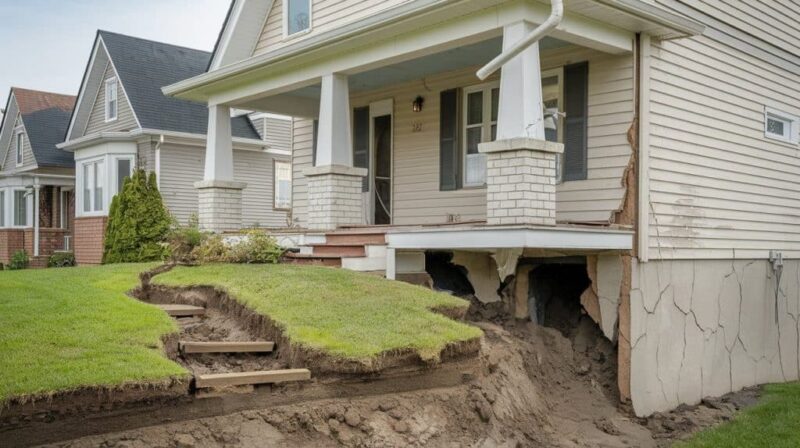
As homeowners invest time and money into creating their perfect living spaces, structural issues like subsidence can threaten both property value and peace of mind. Understanding the early warning signs helps protect your investment and prevents minor problems from becoming major repairs.
Subsidence affects thousands of UK properties each year, with certain regions experiencing higher rates due to soil conditions and weather patterns. Recognising the signs early makes a significant difference to repair costs and the overall impact on your home.
What Causes Subsidence in UK Properties
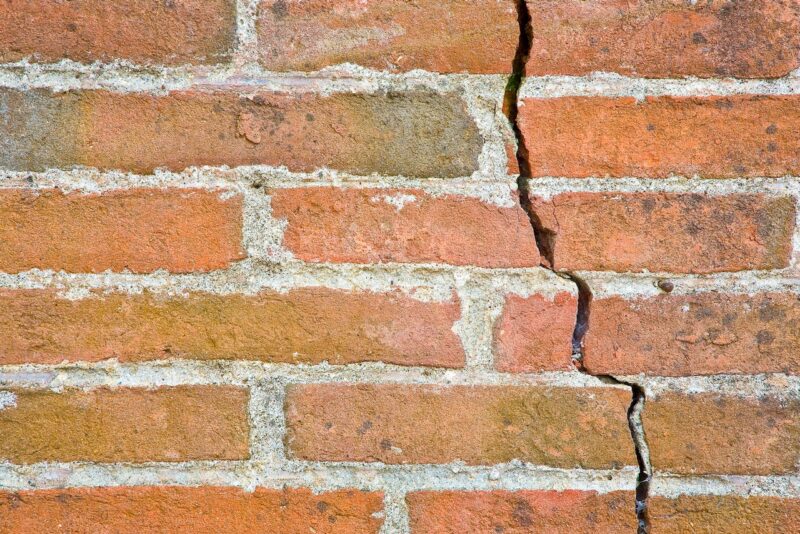
Several factors contribute to subsidence in British homes, with clay soil shrinkage leading the list. During dry summers, clay soils lose moisture and contract, causing foundations to shift.
Tree roots compound this problem by drawing water from the soil, particularly problematic when mature trees grow close to buildings.
Leaking drains present another common cause. Water escaping from damaged pipes washes away soil particles beneath foundations, creating voids that cause uneven settling. Victorian and Edwardian properties face particular risk due to aging drainage systems that may have deteriorated over decades.
Mining activity, both historical and current, affects specific UK regions. Properties built above old mine workings may experience ground movement years after mining ceased. The Coal Authority interactive map helps homeowners check if their property sits in a former mining area.
Weather extremes increasingly impact subsidence rates. Extended dry periods followed by heavy rainfall create ideal conditions for ground movement, as soil repeatedly shrinks and swells.
Spotting the Tell-Tale Cracks
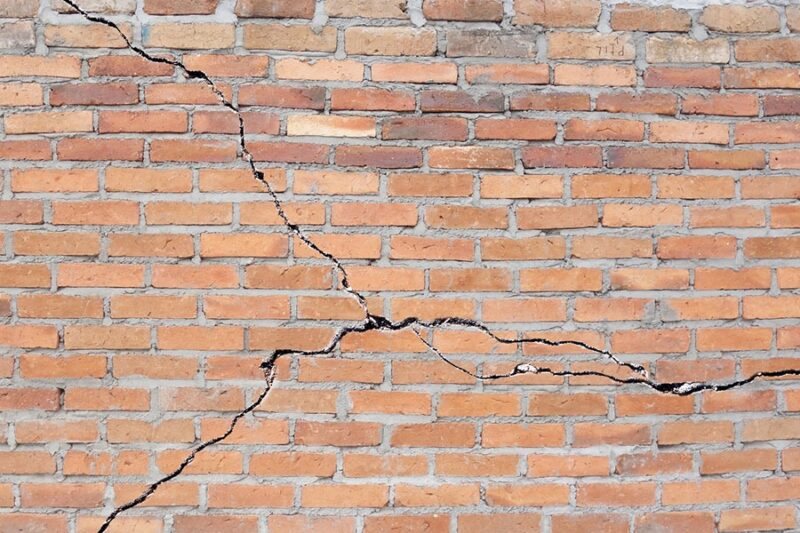
Not all cracks indicate subsidence, but certain characteristics raise immediate concerns. Diagonal cracks running from windows or doors typically signal differential movement, where one part of the building moves more than another. These cracks often appear wider at the top than the bottom.
Fresh cracks measuring 3mm or wider deserve professional assessment. Smaller hairline cracks usually result from normal settling or temperature changes rather than subsidence. Monitoring crack width over several weeks helps determine if active movement continues.
Interior cracks appearing simultaneously with exterior ones suggest structural movement rather than surface issues. Cracks following mortar joints in a stepped pattern particularly indicate foundation problems requiring investigation.
Seasonal variations affect crack behaviour. Cracks that open in summer and close in winter often relate to clay soil movement, while consistent widening throughout the year suggests more serious issues.
Beyond Cracks: Other Warning Signs
Doors and windows sticking or refusing to close properly often precede visible cracks. Frame distortion results from walls moving out of alignment, creating gaps that affect operation. Testing doors and windows regularly helps catch problems early.
Wallpaper rippling or tearing at joins, particularly near ceilings, indicates wall movement. Paint may also crack along straight lines where structural elements meet. These subtle signs appear before major cracking develops.
Extension joints separating from the main building structure warrant immediate attention. Properties with bay windows show subsidence through gaps appearing between the bay and main walls. Similarly, conservatories pulling away from houses indicate differential movement.
External paving sinking or lifting near walls suggests ground movement affecting foundations. Gaps appearing between paths and buildings often provide the first external evidence of developing subsidence.
Taking Action: Professional Assessment and Solutions
Once warning signs appear, professional structural surveys determine the extent and cause of movement. Lancashire Subsidence, specialists in structural repair across the North West, emphasise that early intervention prevents extensive damage and reduces repair costs significantly.
Monitoring programmes track movement over time using precise measuring equipment. Tell-tales fixed across cracks record any widening, while level monitoring establishes if foundations continue moving. This data guides decisions about necessary interventions.
Solutions vary based on subsidence causes and severity. Underpinning strengthens existing foundations by extending them to more stable ground. Modern techniques like mini-piling cause minimal disruption while providing permanent solutions. Tree management, drain repairs, or ground injection might resolve less severe cases.
Insurance considerations affect timing and approach. Most buildings insurance covers subsidence, but insurers require proper investigation and approved repair methods. Attempting DIY repairs or ignoring professional advice can invalidate coverage.
Preventing Subsidence in Your Property
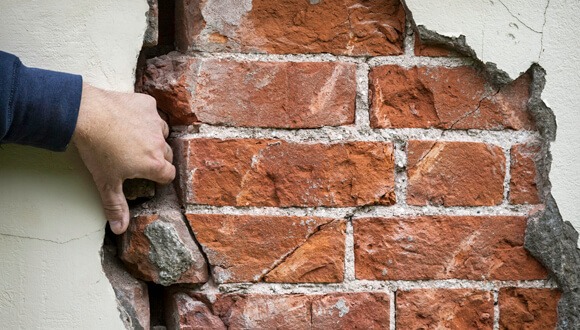
Regular maintenance reduces subsidence risk significantly. Annual gutter cleaning prevents water pooling near foundations, while prompt drain repairs stop soil erosion. The Property Care Association provides detailed guidance on preventative maintenance schedules.
Tree management requires careful planning. New trees should be planted appropriate distances from buildings based on mature height and species. Existing trees need regular pruning to control water demand without destabilising soil through sudden removal.
Monitoring ground conditions after extreme weather helps catch problems early. Extended dry spells or heavy rainfall warrant extra vigilance for new cracks or movement signs. Keeping photographic records aids in tracking changes over time.
Professional property surveys before purchasing identify existing issues or risk factors. Surveyor reports highlighting subsidence risk allow informed decisions and appropriate insurance arrangements from the start.
Long-Term Property Protection
Addressing subsidence properly protects property values and prevents recurring problems. Professional repairs using appropriate techniques provide permanent solutions when correctly specified and executed.
Cutting corners or delaying action typically leads to more extensive and expensive work later.
Documentation matters for future property sales. Keeping all survey reports, monitoring data, and repair certificates demonstrates responsible ownership and reassures potential buyers. Properties with professionally resolved subsidence often prove as stable as those never affected.
Understanding your local area’s subsidence risk helps inform property decisions. Geological surveys and local authority data reveal areas prone to specific issues, whether from soil types, mining legacy, or other factors.
Creating a resilient home means staying informed about structural health.
Regular visual inspections, prompt attention to warning signs, and professional advice when needed combine to protect your investment.
Just as interior updates enhance daily life, maintaining structural integrity ensures your home remains a secure foundation for years ahead.