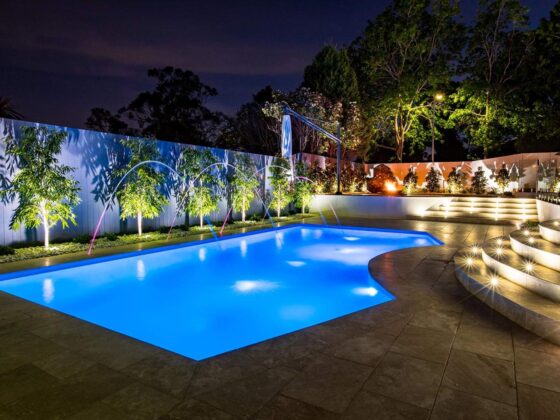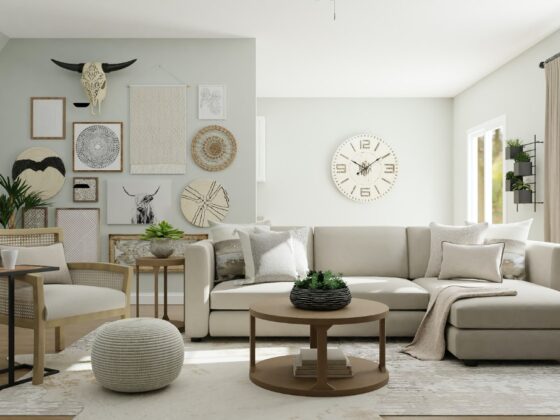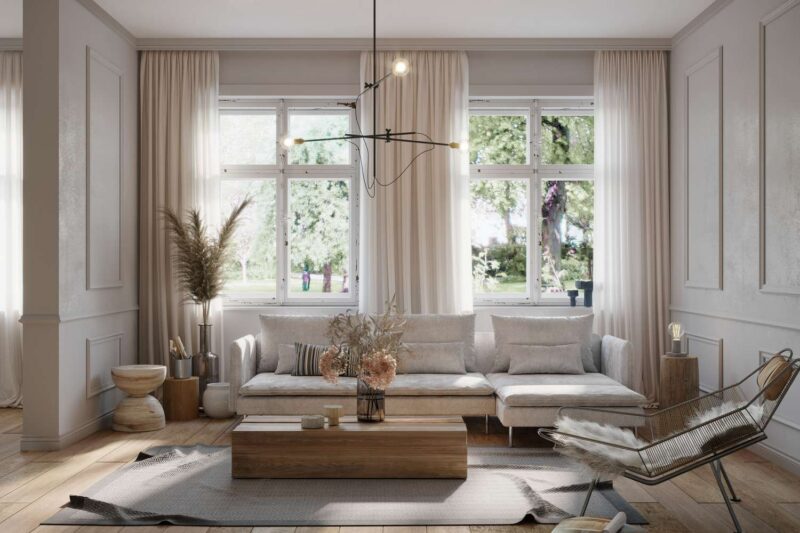
You walk into some spaces and they just feel expensive. Nothing screams luxury, but everything whispers it. Other places try hard with fancy furniture and still feel flat.
The difference usually isn’t about big dramatic gestures. It’s the small details most people overlook that separate spaces that feel genuinely luxurious from ones that just look like they tried.
1. Quality Hardware Changes Everything
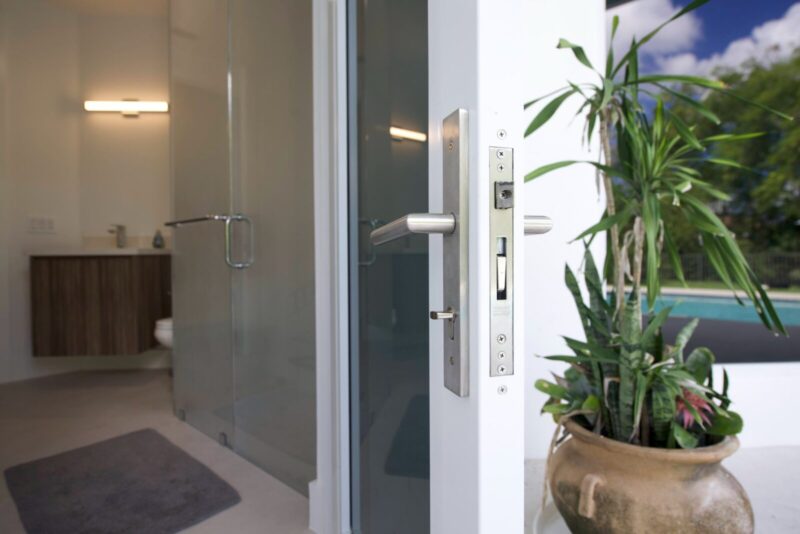
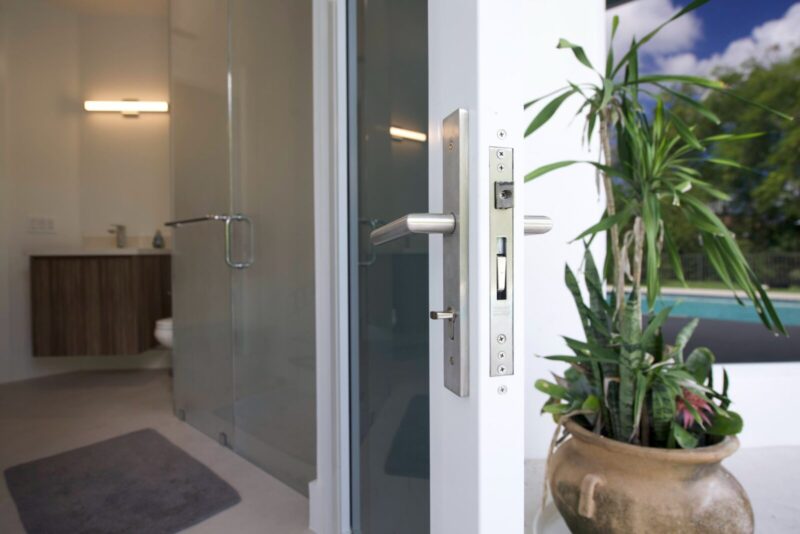
Door handles, cabinet pulls, light switches. Most people pick these based on price and forget about them. Walk through any truly luxurious space and you’ll notice the hardware feels substantial.
Solid weight, smooth operation, quality finishes that don’t show wear.
Cheap hardware announces itself every time you touch it. Lightweight, wobbly, finishes that wear off quickly. Upgrading to quality designer door handles and matching hardware throughout creates consistency that elevates entire spaces. You touch these elements constantly. When they feel substantial and well-made, they reinforce luxury with every interaction.
2. Lighting Gets Layered Instead Of Relying On One Source
Luxury spaces never have just overhead lighting blasting everything uniformly. They layer multiple light sources at different heights, creating depth and atmosphere.
Table lamps, floor lamps, sconces, accent lighting. Each source contributes to the overall ambiance instead of one harsh fixture doing all the work.
This layering lets you control mood and highlight specific areas. Reading corner gets task lighting. Artwork gets accent lighting. Ambient lighting creates warmth without glare. Single overhead fixtures feel institutional. Layered lighting feels intentional and sophisticated.
3. Everything Matches, But Nothing Looks Matchy
Luxury interiors have clear cohesion but avoid the matching furniture set look. Finishes complement each other without being identical. Wood tones work together without everything being the same species.
Metals coordinate without requiring exact matches throughout.
This requires more thought than buying matching sets, but creates spaces that feel curated over time rather than purchased in one shopping trip. Cohesion without uniformity feels collected and sophisticated. Perfect matching feels staged and temporary.
4. Details Get Finished Properly
Baseboards actually meet walls cleanly. Paint lines are crisp. Grout lines are uniform. Luxury is often just regular construction done with actual care and attention.
Sloppy details kill any attempt at luxury, regardless of how expensive your furniture is.
Quality homes pay attention to finishing details that most people rush through or ignore. Caulking that’s smooth and even.
Hardware installed perfectly level. Transitions between materials handled thoughtfully. These details individually seem minor. Collectively, they’re what separates spaces that feel luxurious from ones that just look expensive.
5. Textiles Add Depth And Softness
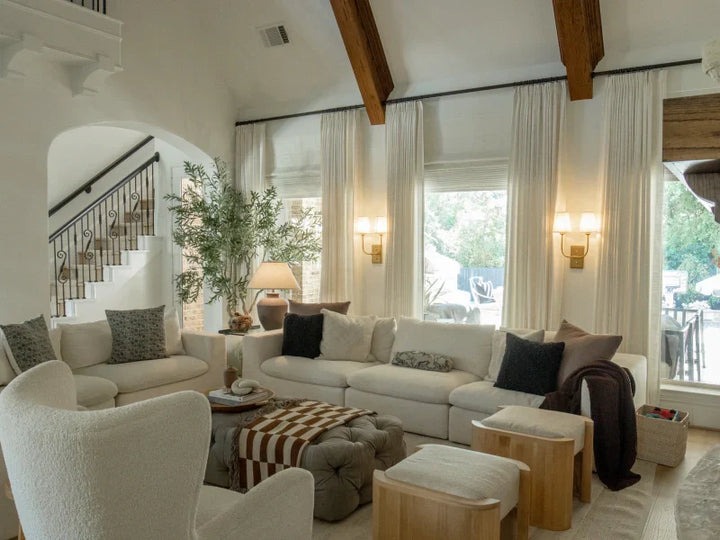
Hard surfaces dominate many modern interiors, creating spaces that feel cold regardless of style intent. Luxury spaces incorporate textiles, adding warmth and depth. Quality curtains, substantial throw pillows, proper rugs, upholstered pieces.
This isn’t about piling on decorative clutter. Strategic textile choices in quality materials soften acoustics, add visual warmth, and create tactile interest. Spaces without textile elements feel unfinished and harsh. Thoughtful textile integration makes rooms feel complete and inviting.
Conclusion
Luxury comes from accumulated small decisions done well. Quality hardware you interact with constantly, properly layered lighting, cohesive but not matching elements, meticulous attention to finishing details, and strategic textile integration all contribute to spaces feeling genuinely luxurious.
None of these require massive budgets. They require caring about details that most people overlook. That attention to small things creates the intangible quality that makes some spaces feel expensive while others just look like they tried hard and missed.