Renovating a home is one of the most powerful ways to increase comfort, efficiency, and long-term property value. However, not every upgrade delivers the same return. Smart renovation decisions balance upfront cost with durability, energy savings, and lifestyle improvements that continue paying dividends for years. Homeowners who plan strategically avoid trend-driven mistakes and instead focus on improvements that enhance daily living while strengthening resale appeal.
This guide explores 8 smart renovation decisions that consistently prove their worth over time. Whether you’re planning a full remodel or targeted improvements, these insights will help you invest wisely, reduce future expenses, and build a home that ages gracefully rather than expensively.
1. Energy-Efficient Systems That Reduce Ongoing Costs
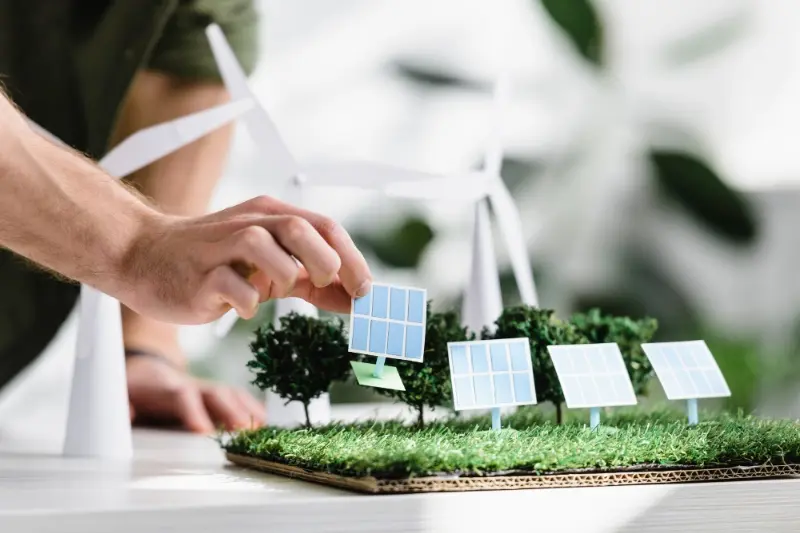
Upgrading your home’s energy systems is one of the most future-proof renovation choices you can make. Efficient heating, cooling, and hot water systems reduce monthly bills while improving indoor comfort. Modern solutions are designed to perform better with less energy, which becomes increasingly important as utility costs rise over time.
In many homes, switching to efficient appliances or optimizing fuel sources delivers immediate savings. For example, homeowners who choose Supagas options often explore cleaner and more efficient gas solutions that support consistent energy performance. When paired with modern appliances, this approach can lower consumption without sacrificing reliability.
Key advantages include:
- Reduced long-term energy expenses
- Improved system lifespan and reliability
- Higher appeal to eco-conscious buyers
Over years of use, these savings compound, making energy-efficient systems a cornerstone of smart renovation planning.
2. High-Quality Insulation and Air Sealing
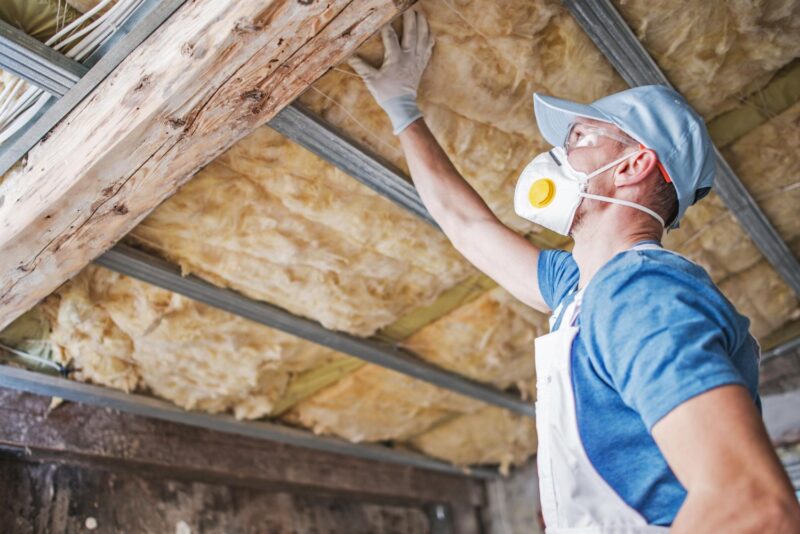
Insulation is often hidden behind walls and ceilings, but its impact is felt every day. A well-insulated home maintains stable indoor temperatures, reducing strain on heating and cooling systems. Air sealing complements insulation by preventing drafts and unwanted heat transfer, creating a more controlled living environment.
Many older homes lose energy through poorly insulated roofs, floors, and wall cavities. Addressing these areas during renovation provides a strong return on investment. While insulation may not be visually exciting, it supports comfort, noise reduction, and energy efficiency year-round.
Did you know?
Proper insulation can reduce heating and cooling costs by up to 20–30% in some homes, depending on climate and construction quality.
By prioritizing insulation early, homeowners create a foundation that supports every other renovation decision that follows.
3. Kitchen Upgrades That Balance Style and Function
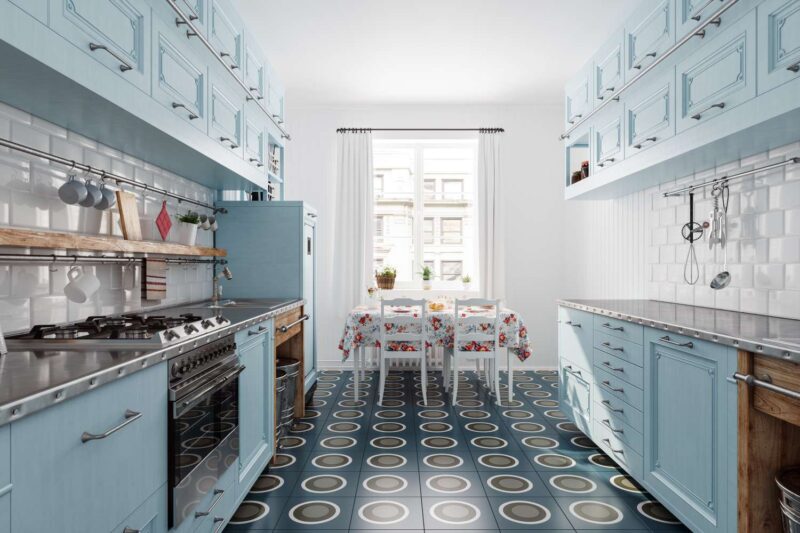
The kitchen remains one of the most influential spaces for both lifestyle satisfaction and resale value. Smart kitchen renovations focus on functionality, durability, and timeless design rather than short-lived trends. Layout improvements, quality cabinetry, and efficient appliances deliver benefits long after the initial renovation is complete.
Instead of over-customizing, homeowners should aim for flexibility and practicality. Storage optimization, durable countertops, and energy-efficient appliances appeal to future buyers while enhancing daily use.
| Upgrade Area | Long-Term Benefit |
| Cabinet quality | Reduced maintenance and longer lifespan |
| Appliance efficiency | Lower energy and water costs |
| Layout improvements | Better workflow and usability |
A well-planned kitchen renovation consistently ranks among the highest-return home improvements.
4. Bathroom Renovations That Prioritize Longevity
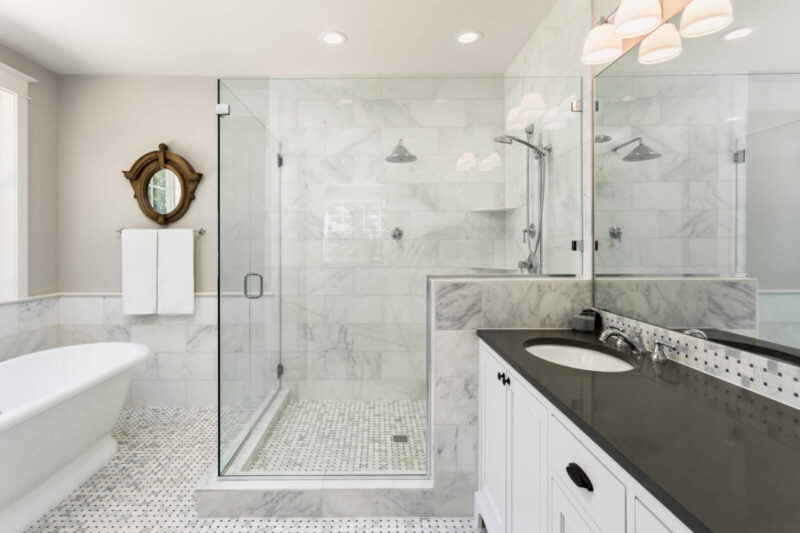
Bathrooms endure daily use, moisture, and temperature changes, making durability essential. Smart bathroom renovations emphasize water-resistant materials, efficient fixtures, and layouts that age well over time. Rather than chasing luxury features that may date quickly, homeowners benefit from clean lines and reliable finishes.
Upgrades such as low-flow fixtures, quality tiling, and proper ventilation improve both sustainability and comfort. Good ventilation, in particular, protects structural elements by preventing moisture buildup and mold growth.
Smart bathroom choices include:
- Neutral color palettes for broad appeal
- Slip-resistant flooring for safety
- Efficient plumbing fixtures that reduce water bills
These decisions ensure the bathroom remains functional, attractive, and low-maintenance for many years.
5. Flooring Materials Designed for Real Life
Flooring plays a major role in how a home feels and functions. Choosing materials that withstand wear, spills, and changing design tastes is a smart long-term strategy. Hardwood, engineered timber, and high-quality tiles are popular because they combine durability with timeless appeal.
Families and pet owners should consider scratch-resistant and easy-to-clean surfaces. While cheaper flooring options may look appealing initially, they often require replacement far sooner, increasing lifetime costs.
Flooring that lasts 20–30 years often costs less over time than materials that need replacing every decade.
By selecting resilient flooring, homeowners reduce maintenance stress and preserve visual appeal across multiple stages of life.
6. Structural Improvements Before Cosmetic Changes
One of the smartest renovation decisions is addressing structural integrity before focusing on aesthetics. Foundations, roofing, plumbing, and electrical systems form the backbone of a safe and functional home. Cosmetic upgrades may look impressive, but underlying issues can quickly erode their value.
Structural improvements may not be immediately visible, but they protect your investment and prevent costly emergency repairs. Buyers and inspectors place high value on homes with updated core systems, making these upgrades especially worthwhile for resale.
Common structural priorities include:
- Roof repairs or replacement
- Electrical system upgrades
- Plumbing modernization
Once these essentials are secure, cosmetic renovations can be enjoyed with confidence rather than concern.
7. Outdoor Enhancements That Extend Living Space
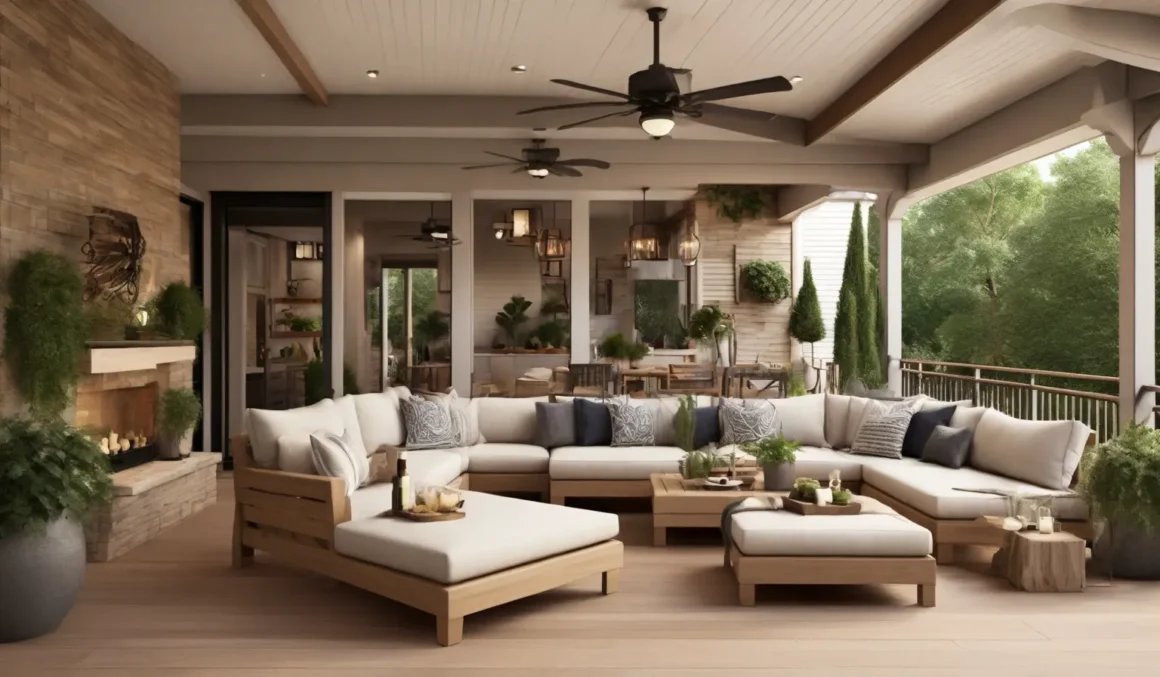
Outdoor areas are increasingly viewed as extensions of the home rather than optional extras. Smart outdoor renovations improve usability while enhancing curb appeal. Decks, patios, and well-planned landscaping provide additional living space without the cost of major structural additions.
Durable materials and low-maintenance designs ensure outdoor spaces remain enjoyable rather than burdensome. Thoughtful lighting and weather-resistant finishes further increase usability throughout the year.
| Outdoor Upgrade | Long-Term Payoff |
| Deck or patio | Increased living and entertaining space |
| Landscaping | Improved curb appeal and value |
| Outdoor lighting | Safety and extended usability |
These enhancements boost lifestyle quality while strengthening first impressions for future buyers.
8. Flexible Design That Adapts Over Time
Perhaps the most overlooked smart renovation decision is designing for flexibility. Homes evolve as families grow, work patterns change, and accessibility needs increase. Flexible layouts allow spaces to be repurposed without major reconstruction.
Open-plan living, multipurpose rooms, and adaptable storage solutions ensure your home remains functional across different life stages. This adaptability adds long-term value by reducing the need for frequent renovations.
Key takeaway:
Renovations that anticipate change cost less over time than those designed for a single moment.
By thinking ahead, homeowners create spaces that continue to serve their needs and retain market appeal for decades.
Renovate Once, Benefit for Years
Smart renovation decisions focus on durability, efficiency, and adaptability rather than short-term trends. By investing in energy systems, insulation, core structures, and flexible design, homeowners protect both their finances and lifestyle. Each decision compounds over time, delivering comfort, savings, and value long after the renovation dust settles.
When renovations are planned with the long view in mind, they don’t just transform a house—they future-proof it.