The UK property sector involves a range of roles – from landlords and letting agents to site managers and tradespeople. For everyone, safety needs to be a top priority. Yet accidents remain common and are often the result of preventable hazards. Raising awareness and promoting safe working practices can go a long way in reducing injuries and liability.
Here are the most frequent types of accidents in the UK property sector and the best way to prevent them.
Why Slips and Trips Still Lead the Stats
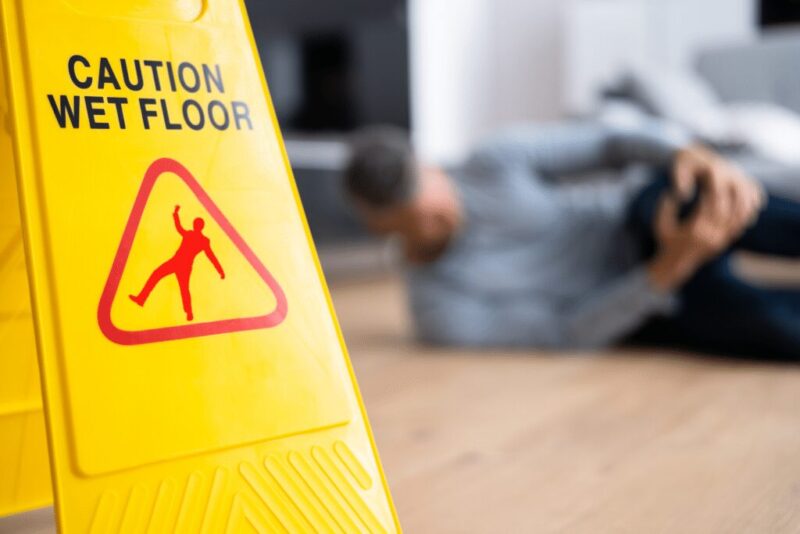
According to the Health and Safety Executive (HSE), slips, trips and falls are the most reported workplace accidents across the UK, and the property sector is no exception. They are caused by oversights such as wet floors, loose tiles, uneven paving, cluttered stairwells, and poor lighting. These hazards aren’t limited to construction sites – they can easily occur in communal hallways, driveways, or office spaces as well.
To reduce risks, carry out regular property inspections. Clearly mark wet floors (or those at risk of getting wet, such as near doorways) with clear signage, use anti-slip mats or coatings in high-risk areas, and ensure that walkways are kept clear and well-lit. Installing handrails on stairs and promptly repairing cracked surfaces will also make a big difference to risk levels.

When Lifting Goes Wrong ─ Preventing Manual Handling Injuries
Poor lifting practices can really exert a hidden toll on workers. Manual handling injuries occur when staff lift, carry, push, or pull heavy items incorrectly. In terms of the property sector, this might involve moving furniture during a flat clearance, shifting bins or construction materials, or stocking maintenance supplies.
Injuries typically affect the back, shoulders, and arms, and they often happen because of poor posture, rushing, or lack of training.
Effective prevention involves a mix of proper technique and appropriate equipment. Employers should ensure staff are trained in correct lifting methods, avoid awkward postures, and use trolleys or lifting aids where possible. Risk assessments can help identify and reduce high-risk tasks. Where injuries do occur, workers may be eligible to explore manual handling injury claims, especially if no training or equipment was provided.
Electrical and Fire Hazards
Electrical safety is a critical but often overlooked aspect of managing commercial and private properties. Old or damaged wiring, overloaded sockets, DIY repairs, and failure to test appliances (or using them incorrectly) can all lead to electrical fires or shocks.
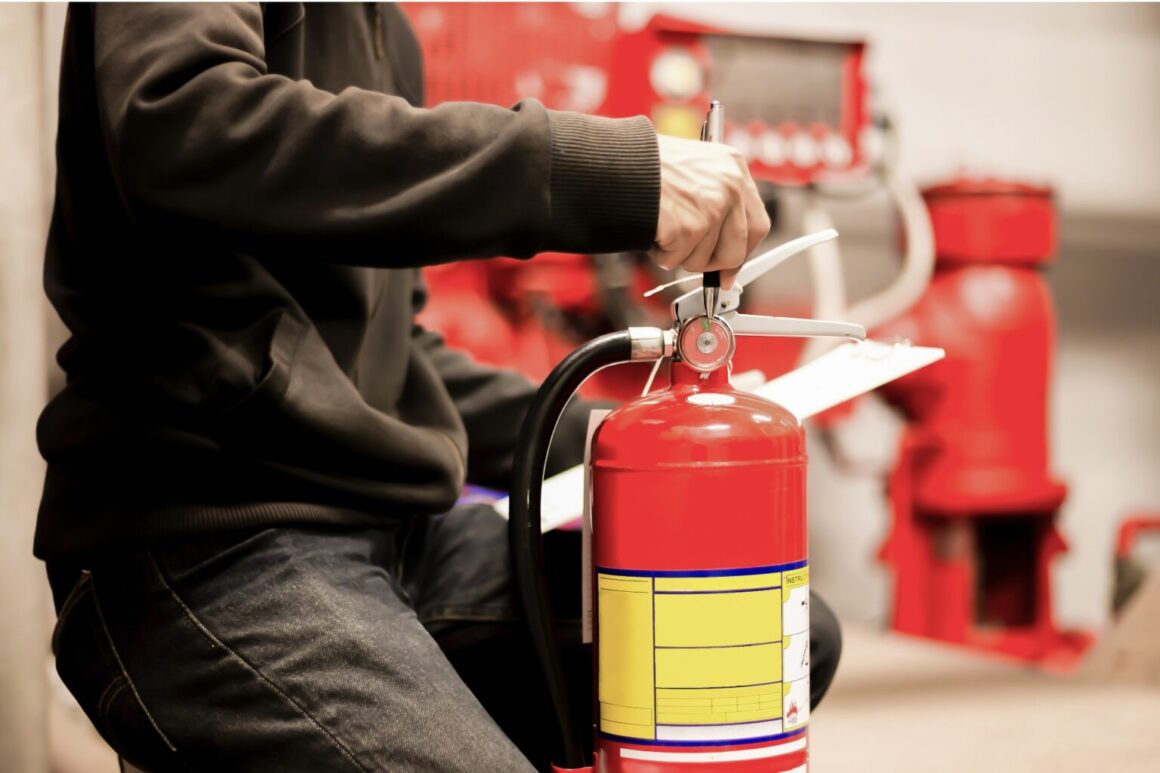
It’s essential to carry out regular PAT (Portable Appliance Testing) on all electrical equipment that is used on site. Landlords should also arrange for Electrical Installation Condition Reports (EICRs) every five years and ensure that all tenants are made aware of safe usage practices. Fire safety checks are legally required – so test smoke alarms and fire extinguishers regularly to make sure they work and keep escape routes clear.
Safe Properties Are Everyone’s Responsibility
Accidents in the property sector are often avoidable with the right mix of awareness, planning, and simple precautions. You might be responsible for managing a site, letting out a flat, or working on property repairs. Staying informed and proactive keeps everyone safer and reduces the risk of costly legal consequences.