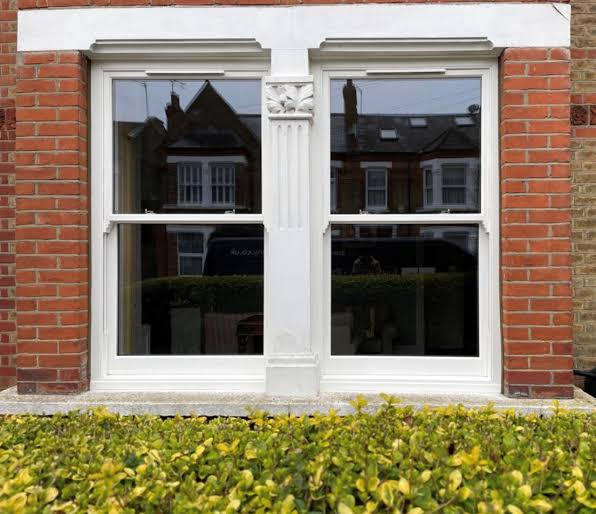
North London is defined by its period architecture. Rows of Victorian terraces, Georgian townhouses and Edwardian semis owe much of their character to their original timber sash windows.
These windows are not merely functional; they set the proportions and rhythm of a facade in a way that modern replacements rarely match. Yet many homeowners assume that draughty, sticking or peeling sash windows are beyond help and reach straight for a full replacement. In most cases, that assumption is wrong.
The Case for Repair Over Replacement
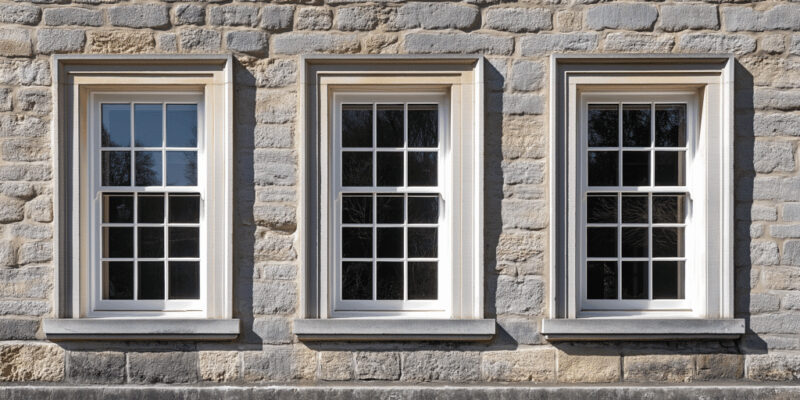
Original sash windows were built from slow-grown timber that is far denser and more durable than most of the softwood available today. A window that has stood for a century has already proven its longevity. When problems appear, such as rattling sashes, a rotten section of the lower rail, broken cords or gaps that let in cold air, they are usually localised and repairable.
Splicing in new timber, replacing worn parts and re-cording the mechanism restores the window without discarding sound, historic material.
It is almost always cheaper than a full replacement, and it keeps the property’s original detailing intact. A skilled joiner can match the profile of the existing timber so closely that a repair becomes invisible once the paint is on, and the sash slides freely again for the first time in years.
Draughts, Damp and Energy Efficiency
The most common complaint about old sash windows is the draught. Decades of paint build-up, shrunken timber and worn beading leave gaps around the moving sashes.
Draught-proofing tackles this directly: discreet brush seals are routed into the frame so the sashes glide smoothly and seal tightly when closed. Combined with a careful overhaul, this can significantly reduce heat loss and rattling.
For a bigger improvement, slim double-glazed units can be fitted into refurbished or newly made timber frames, while secondary glazing offers a reversible option in conservation areas where the external appearance has to be preserved.
Working With Period Property Rules
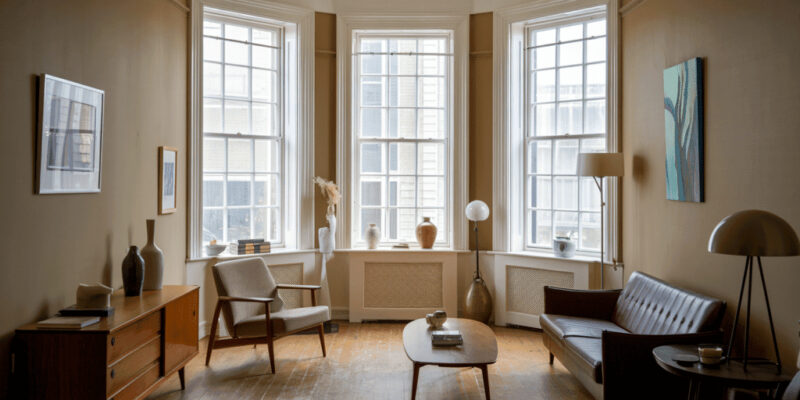
Much of North London falls within conservation areas, and many homes are listed. In these cases, swapping original windows for unsympathetic units can breach planning rules and damage a property’s value.
Sensitive repair and like-for-like restoration are usually the safest route, keeping glazing bars, horns and mouldings faithful to the original.
Where new windows genuinely are needed, having them made to match the original design in solid timber keeps a period home consistent from the street.
A specialist who understands both the joinery and the local planning context can save a great deal of trouble and expense.
For anyone weighing up their options, expert help with sash windows North London by PM Windows covers repair, restoration, replacement and draught-proofing across areas including Muswell Hill, Highgate, Barnet, Haringey, Enfield and Hackney, with a focus on matching the character of period homes.
Getting the Best From Your Windows
Whether your sash windows need a light overhaul or a section of new timber, acting early tends to keep costs down. Small areas of rot spread if left alone, and a window that sticks today can become jammed shut in a damp winter. A survey from a timber sash specialist will tell you honestly whether repair, restoration or replacement makes the most sense for each window.
For many North London homes, keeping the original glass and joinery is both the more affordable and the more rewarding choice, preserving the look that makes these streets so distinctive.