The UK property market continues to evolve in response to changing lifestyles, economic conditions, and buyer priorities. As we move through 2026, several distinct trends are reshaping how people search for homes, what features they value most, and where they choose to live. Understanding these emerging patterns helps buyers make informed decisions, whilst sellers can better position their properties to appeal to today’s market. From sustainability considerations to flexible living spaces, these six trends reflect the fundamental shifts occurring in British residential property.
1. Sustainable and Energy-Efficient Homes
The Growing Importance of Green Features
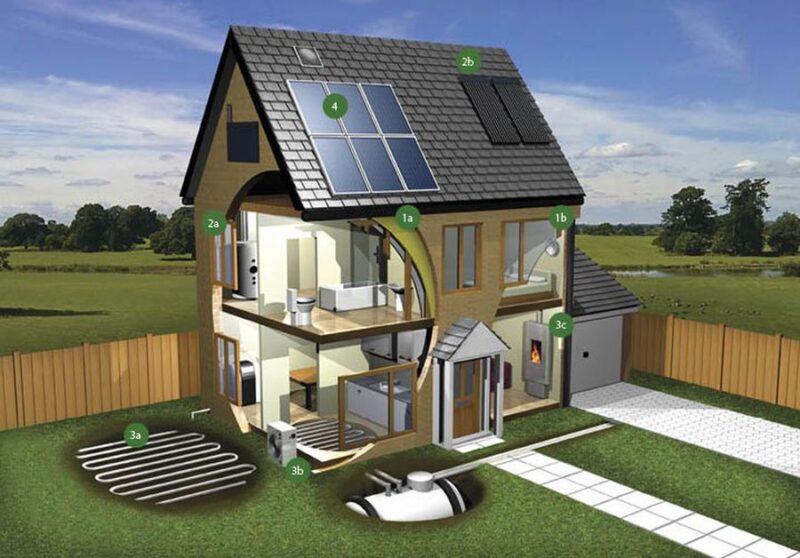
Energy efficiency has moved from desirable bonus to essential requirement for many property buyers. Rising energy costs combined with increased environmental awareness make homes with superior energy performance increasingly attractive. Properties with high EPC ratings command premium prices, whilst those with poor ratings face growing challenges finding buyers willing to overlook substantial heating bills and environmental impact.
What Buyers Are Looking For
Solar panels, heat pumps, advanced insulation, and smart heating controls top buyers’ wish lists. Triple-glazed windows, improved air-tightness, and renewable energy sources appeal to those seeking both reduced bills and smaller carbon footprints. Developers and renovators investing in these features position their properties advantageously in competitive markets.
Future-Proofing Considerations
Government regulations around energy efficiency continue tightening, making green improvements not just attractive but increasingly necessary. Properties requiring substantial work to meet evolving standards may face valuation challenges, whilst energy-efficient homes maintain stronger market positions. Forward-thinking buyers consider not just current performance but future regulatory requirements when evaluating properties.
2. Flexible Multi-Purpose Spaces

The Home Office Evolution
Remote and hybrid working patterns established during recent years show no signs of reversing. Dedicated home office spaces remain highly sought after, but the concept has evolved beyond simple spare bedrooms with desks. Buyers seek well-designed workspaces with proper lighting, sufficient storage, and separation from living areas allowing work-life balance.
Adaptable Living Areas
Flexible spaces that serve multiple purposes without feeling compromised appeal to modern buyers. Rooms functioning as offices during work hours but transforming into guest rooms, hobby spaces, or additional living areas demonstrate the adaptability today’s lifestyles demand. Properties with underutilized spaces like converted garages, garden rooms, or loft conversions attract premium interest.
3. Outdoor and Garden Spaces

The Premium on Private Outdoor Areas
The value placed on outdoor space continues strengthening. Gardens, terraces, and balconies provide essential extensions to living space, particularly in urban areas where internal square footage comes at premium prices. Properties lacking outdoor access face growing disadvantages, whilst those offering well-maintained gardens, attractive patios, or even modest balconies command increased attention.
Lifestyle and Wellbeing
Outdoor spaces serve multiple functions—areas for children’s play, spaces for entertaining, opportunities for gardening, and places for quiet reflection. Buyers increasingly view outdoor areas as essential for wellbeing rather than optional extras. Well-designed gardens with low-maintenance features appeal to busy professionals, whilst larger plots attract families and gardening enthusiasts.
4. Technology Integration
Smart Home Features
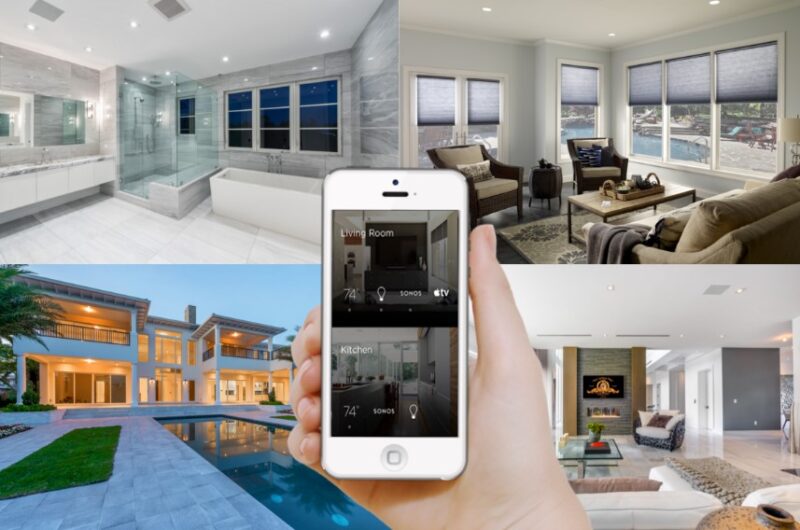
Technology integration has shifted from novelty to expectation. Smart thermostats, security systems, lighting controls, and automated blinds represent baseline expectations for many buyers, particularly in higher-value properties. Homes with thoughtfully integrated technology systems that enhance convenience, security, and efficiency appeal to tech-savvy buyers who view these features as quality-of-life improvements.
Infrastructure Considerations
Beyond smart devices, fundamental digital infrastructure matters enormously. Reliable high-speed broadband proves essential for remote working, whilst comprehensive Wi-Fi coverage throughout properties enables modern connected lifestyles. Electric vehicle charging points add value, anticipating the continued shift toward electric transportation.
5. Location Flexibility and Commuter Belt Appeal
The Changing Geography of Desirability
Reduced commuting frequency enables buyers to consider locations previously impractical for daily office attendance. Towns and villages within 60-90 minutes of major cities experience renewed interest as buyers seek larger properties, better value, and improved quality of life whilst maintaining occasional city access. This geographical flexibility reshapes traditional commuter belt dynamics.
Local Amenities and Community
When choosing homes they’ll spend more time in, buyers scrutinise local amenities more carefully. Quality schools, attractive high streets, green spaces, leisure facilities, and community atmosphere influence decisions significantly. Properties in well-connected locations with strong local infrastructure command premiums over those in isolated or poorly-served areas.
Expert Local Knowledge
Navigating these shifting location dynamics requires expertise understanding both broad market trends and local area specifics. Established agents like Shortland Horne provide valuable insights into local market conditions, helping buyers identify areas offering best value whilst meeting their lifestyle requirements.
6. Wellness and Lifestyle Features
Health-Focused Design
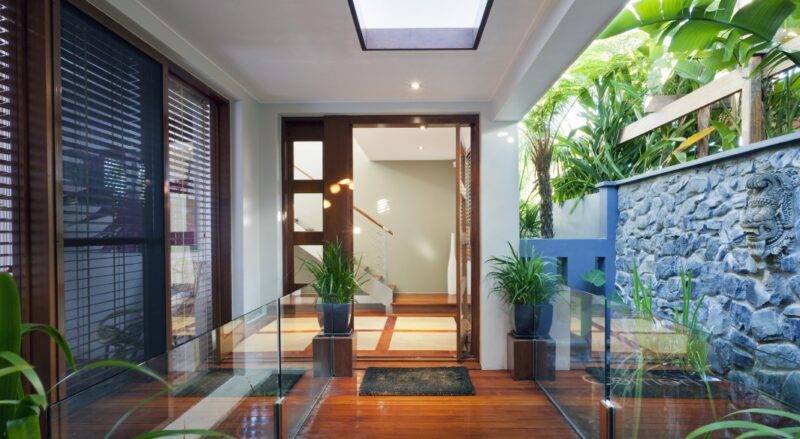
Properties incorporating wellness features attract growing interest. Dedicated exercise spaces, whether converted rooms or purpose-built home gyms, appeal to health-conscious buyers. Good natural light, quality ventilation, and spaces promoting mental wellbeing factor into purchasing decisions more significantly than previously.
Lifestyle Alignment
Beyond specific features, buyers increasingly seek properties aligning with their overall lifestyle aspirations. Open-plan layouts facilitating family interaction, quiet retreats for relaxation, spaces accommodating hobbies, and homes enabling the life they envision matter enormously. This holistic approach to property selection considers how spaces support daily living rather than focusing solely on specifications.
Market Implications
For Sellers
Understanding these trends helps sellers present properties advantageously. Highlighting energy efficiency, showcasing flexible spaces, maintaining outdoor areas, and emphasizing location benefits positions properties to meet current buyer priorities. Modest investments in areas buyers value—improving EPC ratings, creating home office spaces, or enhancing gardens—often yield strong returns.
For Buyers
Awareness of trending features helps buyers evaluate properties strategically. Recognizing which trends represent lasting shifts versus temporary preferences informs wise purchasing decisions. Properties already incorporating desired features may command premiums, whilst those requiring updates offer opportunities for buyers willing to invest in improvements.
Frequently Asked Questions
How much value do energy-efficient features add?
Studies suggest homes with high EPC ratings sell for 5-10% premiums compared to similar properties with poor ratings. As energy costs remain elevated and regulations tighten, this premium appears likely to increase, making energy efficiency improvements worthwhile investments.
Are flexible spaces worth the investment?
Properties with adaptable spaces appeal to broader buyer pools and typically sell faster. The investment required is often modest—converting spare rooms, finishing loft spaces, or improving garages—whilst the appeal to remote workers and growing families significantly enhances marketability.
How important is outdoor space really?
Post-pandemic, outdoor space has become genuinely essential for many buyers rather than simply desirable. Properties without gardens, balconies, or terraces face measurable disadvantages, particularly in family housing sectors, though the premium varies by location and property type.
Should I invest in smart home technology before selling?
Basic smart features—thermostats, doorbells, security systems—add appeal without substantial cost. Extensive automation may appeal to specific buyers but risks seeming excessive or complicated to others. Focus on practical features with broad appeal rather than cutting-edge technology.
Are these trends temporary or lasting?
Most represent lasting shifts rather than temporary preferences. Remote working, sustainability concerns, and lifestyle-focused housing choices reflect fundamental changes in how people live rather than short-term reactions to specific events. Properties aligning with these trends should maintain strong appeal.
Conclusion

The property trends shaping 2026 reflect evolving priorities as buyers seek homes supporting modern lifestyles whilst addressing practical concerns around energy costs, flexibility, and wellbeing. Energy efficiency, adaptable spaces, quality outdoor areas, technology integration, location flexibility, and wellness features distinguish properties in competitive markets. Understanding these trends benefits both buyers identifying homes meeting long-term needs and sellers positioning properties to appeal to today’s purchasers. As the market continues evolving, properties embodying these characteristics will likely maintain strong appeal and value, whilst those lacking them may face growing challenges. Whether buying or selling, aligning with these trends rather than resisting them positions you advantageously in the dynamic UK property market.