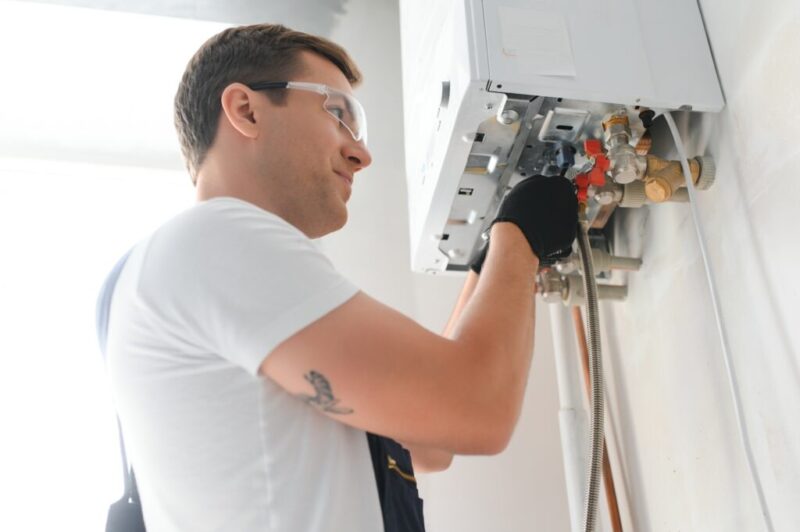
As a Gas Safe registered engineer with over 14 years of experience serving Leeds and surrounding areas, I’m often asked: “What exactly happens during a boiler service?” It’s a fair question – especially when you’re paying for a service that takes several hours and involves someone poking around inside your heating system.
An annual service is required to ensure your boiler is in warranty. So, today, I want to give you a comprehensive breakdown of exactly what we check during a professional boiler service.
Why each step matters, and how our thorough approach at S Fearn Plumbing & Heating ensures your family’s safety and your boiler’s efficiency.
Why Boiler Servicing Matters in Leeds
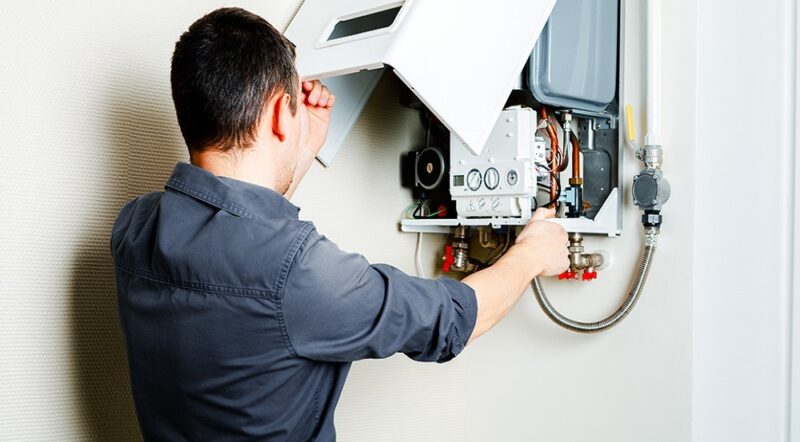
A boiler service by a Gas Safe registered engineer involves a comprehensive safety inspection, cleaning, and performance check. This isn’t just about keeping your boiler running – it’s about ensuring your family’s safety and maintaining your boiler warranty.
In Leeds, with our mix of older properties and modern homes, boilers work particularly hard. The hard water in our area means systems accumulate debris faster, whilst older properties often have ventilation challenges that affect boiler performance. This makes annual servicing even more critical.
1. Visual Inspection and External Checks
The first stage of any proper boiler service starts before I even remove the boiler casing.
Case Inspection
I begin by removing the boiler casing to check for, remove, and clean any dirt, debris, or dust that has accumulated. You’d be surprised how much dust can build up inside a boiler casing – particularly in older Leeds homes with solid fuel fires or properties near busy roads.
This external debris might seem harmless, but it can affect airflow and even pose fire risks if it builds up near hot components.
Leaks and Corrosion
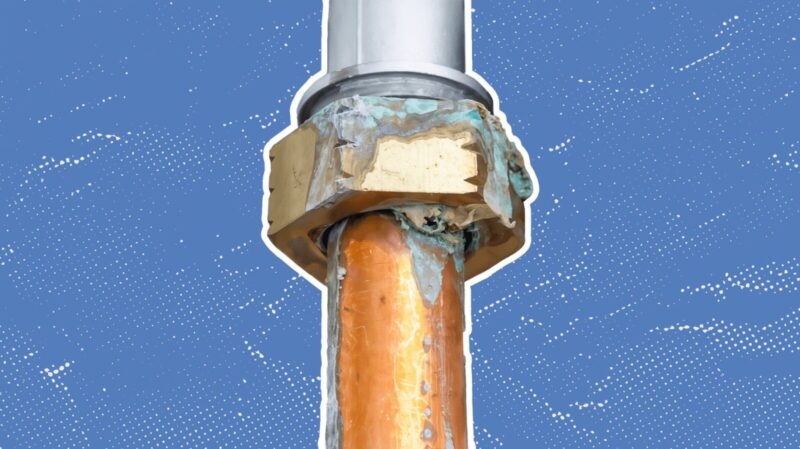
Next, I conduct a thorough check of all visible pipework and the boiler casing for signs of water leaks or rust. In Leeds’ hard water area, corrosion can develop faster than in soft water regions, making this check particularly important.
I look for:
- Water stains or mineral deposits around joints
- Green corrosion around copper fittings
- Any signs of weeping from seals or gaskets
- Rust spots on the boiler casing
Flame Inspection
One of the most telling checks involves examining the burner to ensure it’s burning the right colour and intensity. A healthy gas flame should burn blue with minimal yellow tipping.
If I see yellow flames, irregular flame patterns, or sooting, it indicates incomplete combustion – a serious safety concern.
Ventilation Assessment
I ensure the boiler has sufficient air supply to operate properly. This is particularly important in Leeds properties where boilers are often located in cupboards, basements, or converted spaces. Inadequate ventilation can lead to dangerous carbon monoxide production.
2. Internal Component Inspection
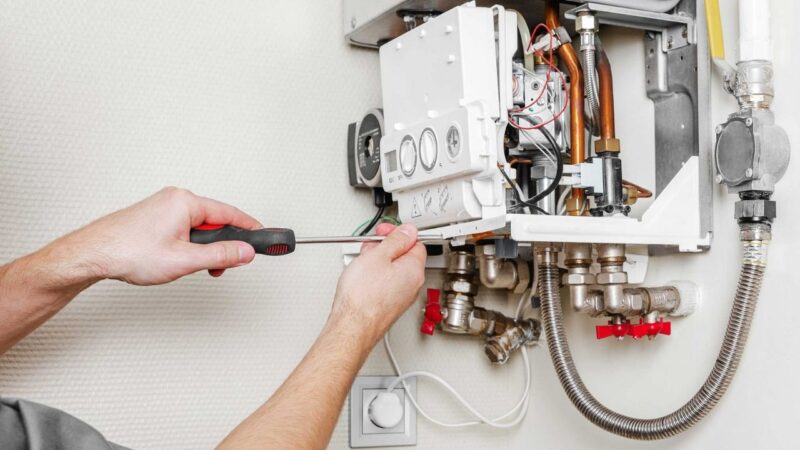
This is where the real technical work begins, and where my experience really shows its value.
Heat Exchanger
The heat exchanger is inspected thoroughly for blockages, debris, and corrosion to ensure efficiency. In Leeds’ hard water area, scale buildup is common and can reduce efficiency by up to 30%. I check for:
- Lime scale deposits
- Sludge accumulation
- Corrosion or pitting
- Blocked waterways
Burner and Electrodes
I check the burner and electrodes to ensure they’re in good condition and clean. Dirty or worn electrodes can cause ignition problems, leading to boiler lockouts or, worse, unsafe ignition sequences.
The burner itself needs to be free from debris and correctly aligned. Even small amounts of debris can affect the flame pattern and combustion efficiency.
Condensate Trap/Pipe
Modern condensing boilers produce acidic condensate that must be safely disposed of. I inspect the condensate trap and pipe for blockages or buildup, cleaning them to ensure safe disposal of exhaust gases.
This is particularly important during Leeds winters when condensate pipes can freeze, causing boiler shutdowns.
Seals and Gaskets
I check that all main combustion seals are intact for “room sealed” units. These seals prevent combustion gases from entering your home – a critical safety feature.
Any damaged seals are noted for immediate replacement.
3. Safety and Performance Checks
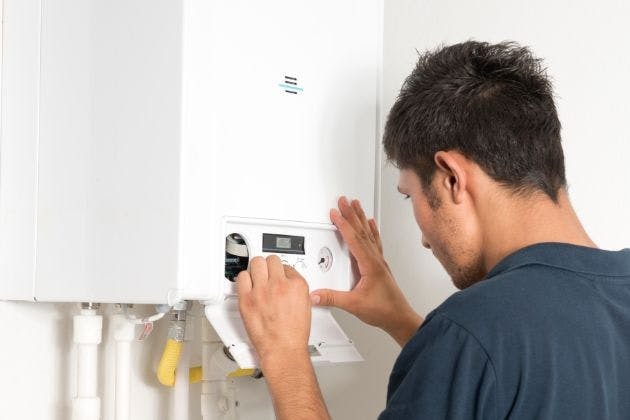
This section involves sophisticated testing equipment and represents the technical heart of the service.
Gas Pressure and Flow Testing
Using calibrated pressure gauges, I test that the gas pressure is at the correct level for the appliance to operate safely. Incorrect gas pressure can cause:
- Poor combustion
- Reduced efficiency
- Premature component wear
- Safety risks
I check both the incoming gas pressure and the pressure at the burner, ensuring they meet manufacturer specifications.
Flue Gas Analysis
This is perhaps the most critical safety check. Using a professional flue gas analyser, I check that the boiler is burning the correct mixture of gas and air, and ensure the flue is not blocked and is safe.
The analyser measures:
- Carbon monoxide levels
- Oxygen content
- Flue gas temperature
- Combustion efficiency
Any elevated carbon monoxide readings require immediate investigation and potential boiler shutdown.
Safety Device Testing
I test all safety devices to ensure they’re functioning correctly, including:
- Flame failure device (shuts off gas if flame goes out)
- Overheat thermostats
- Pressure relief valves
- Gas valve operation
System Controls
I check that thermostats and heating controls are working correctly, including:
- Room thermostats
- Programmer/timer operation
- Motorised valves
- Pump operation
4. Post-Service Actions
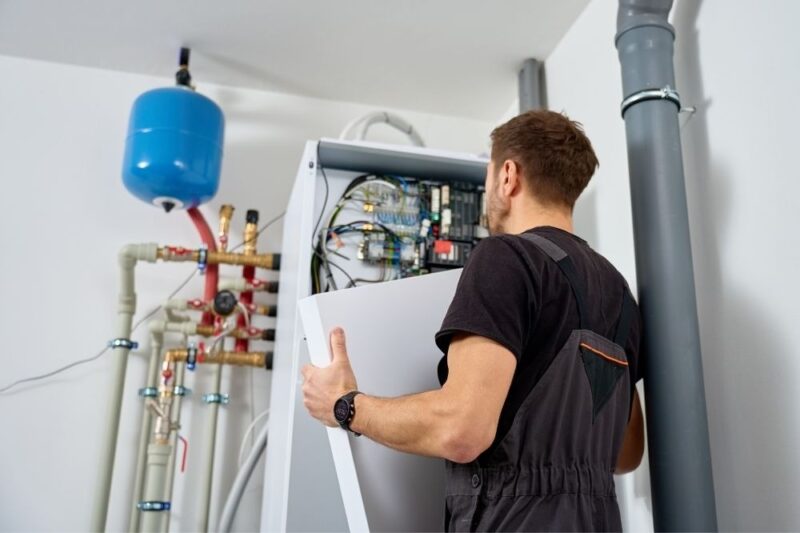
The service isn’t complete until I’ve addressed the maintenance requirements and provided you with comprehensive documentation.
Filter Cleaning
I clean boiler and the magnetic filter (if fitted) to remove debris. This is particularly important in Leeds due to our hard water, which accelerates sludge formation.
A clean filter protects your entire heating system and maintains boiler efficiency.
Comprehensive Service Report
I provide a written checklist/report detailing all findings and confirming the service is complete. This document includes:
- All checks performed
- Any issues identified
- Recommendations for future maintenance
- Gas safety certificate (CP12 for landlords)
Professional Advice
Finally, I provide general advice on how to run your boiler efficiently, including:
- Optimal thermostat settings for Leeds climate
- Heating patterns for different property types
- Warning signs to watch for
- Energy-saving tips
What’s Not Included (But Could Be)
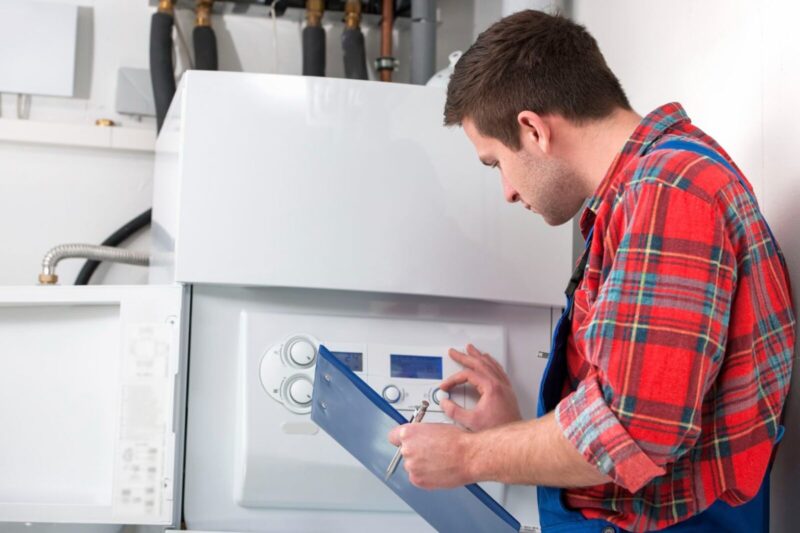
It’s important to note that a standard boiler service generally does not include checking radiators, though a comprehensive service might.
If you’re experiencing cold spots on radiators or uneven heating, this would typically be addressed separately as part of a full system service.
After 14 years serving Leeds, I’ve developed service procedures that go beyond the standard checklist.
I understand how different Leeds housing types affect boiler performance in Chapel Allerton to modern developments in Roundhay.
My service visits often identify issues before they become expensive problems.
When to Book Your Service
I recommend annual services, ideally in early autumn before the heating season begins. This timing allows any issues to be resolved before you need your heating most.
For Leeds homeowners, this timing is particularly important given our unpredictable weather patterns and the strain that sudden cold snaps place on heating systems.
A proper boiler service is far more than a quick visual check
It’s a comprehensive safety and efficiency assessment that requires proper equipment, extensive training, and local experience.
So hire someone who knows Leeds properties inside and out, uses professional-grade testing equipment, and provides the detailed documentation you need for warranty and safety compliance.