
Working from home has become a permanent part of everyday life for many people across the UK, whether full-time or as part of a hybrid routine.
With that shift has come a growing understanding that the right workspace can make a real difference to comfort, productivity, and overall wellbeing.
At the centre of any home office setup is the desk. It is the surface you work on day in, day out, and choosing the right one is far more important than it might first appear.
A good home office desk needs to suit the space you have available, support the type of work you do, and remain comfortable to use over long periods.
It also needs to fit naturally into your home, rather than making the room feel cluttered or overly corporate. With so many styles, sizes, and materials available, knowing where to start can feel overwhelming.
Understanding what actually matters makes the decision much easier.
Understanding How You Use Your Desk Day to Day
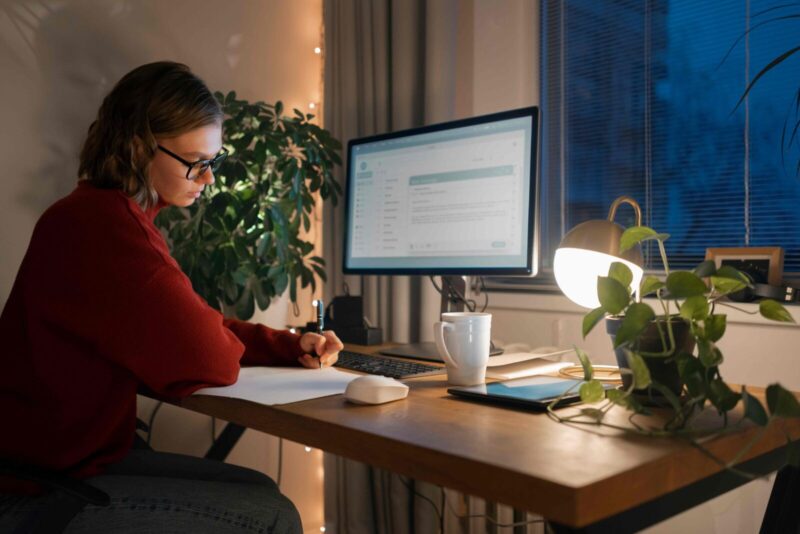
Before looking at desk styles or materials, it helps to consider how you actually work.
Someone who spends most of the day typing on a laptop will have very different needs to someone working with multiple monitors, paperwork, or creative tools.
The amount of equipment you use directly affects how much surface space you need and how the desk should be laid out.
If your work involves frequent video calls, screen positioning becomes important, as does having space to keep cables tidy and out of view.
Those who write, draw, or review documents may need a deeper desk that allows room to spread out comfortably.
Thinking about how many hours a day you are at your desk also matters.
A desk that feels fine for short bursts can become uncomfortable if you are using it for eight hours or more.
Your working habits should guide every other decision, from desk size to height and storage options.
Choosing a desk that genuinely suits how you work will make your home office feel far more practical and enjoyable to use.
Finding the Right Desk Size for Your Home
Space is often the biggest limitation in UK homes, especially in flats, terraces, and older properties where spare rooms are at a premium.
The best desk is one that fits the room comfortably without dominating it or making the space feel cramped. Measuring the area carefully before buying is essential, including allowing space for your chair to move freely and for drawers or cabinets to open fully.
A desk that is too small can quickly become cluttered and frustrating, while one that is too large can overwhelm the room and restrict movement.
The ideal size strikes a balance between giving you enough working space and maintaining a sense of openness.
In multi-use rooms such as bedrooms or living areas, a more compact or streamlined desk often works best, helping the office blend into the rest of the home.
Ceiling height and natural light should also be considered. Positioning a desk near a window can improve comfort and reduce eye strain, but the desk should not block light or feel awkwardly placed.
The aim is to create a workspace that feels intentional rather than squeezed in as an afterthought.
Desk Height and Everyday Comfort
Desk height plays a huge role in comfort, yet it is often overlooked. A desk that is too high or too low can lead to poor posture, shoulder tension, and back pain over time.
In the UK, standard desk heights tend to suit most people when paired with an adjustable office chair, but this is not always ideal for everyone.
Your forearms should rest comfortably on the desk when typing, with your elbows at roughly a right angle.
If you find yourself hunching your shoulders or reaching up to the keyboard, the desk height may not be suitable.
This becomes even more important for people who work long hours or already experience back or neck discomfort.
Some people choose adjustable or sit-stand desks to give more flexibility throughout the day. These can be particularly useful in home offices where movement is limited. While not essential for everyone, having the option to change position can help reduce fatigue and improve focus during longer working sessions.
Choosing a Desk Style That Fits Your Home
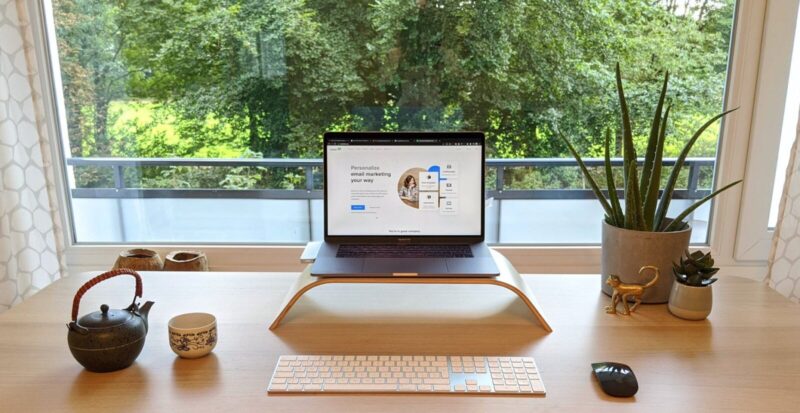
A home office desk does not need to look like it belongs in a corporate office. In fact, one of the biggest advantages of working from home is the ability to choose furniture that reflects your personal style and complements your interior design.
Desks are available in a wide range of finishes, from natural wood and painted timber to metal frames and glass tops.
In modern homes, simple designs with clean lines tend to work well, especially in open-plan spaces.
Traditional properties often suit wooden desks with warmer tones that blend in with existing furniture.
The key is to choose a desk that feels like part of the room rather than something that clashes with it.
Style is not just about appearance, though. The design of the desk should still be practical. Decorative features that reduce legroom or limit surface space can quickly become frustrating.
A desk that looks good and functions well will always be a better long-term choice.
Storage Solutions Built Into the Desk
Storage can make a big difference to how organised your workspace feels. Some people prefer a completely clear desk with minimal distractions, while others need drawers or shelves close at hand for documents, stationery, or equipment.
Built-in storage can help keep everything within reach and reduce clutter elsewhere in the room.
Desks with drawers are particularly useful in smaller homes where additional storage furniture is not practical.
However, too many drawers can limit legroom or make the desk feel bulky. It is worth thinking carefully about what you actually need to store at your desk and whether those items need to be immediately accessible.
For those who prefer a lighter, more open look, a simple desk paired with separate storage such as filing cabinets or shelving can work well.
This approach also allows greater flexibility if your working needs change over time.
Materials, Durability, and Long-Term Use
The material of your desk affects not only how it looks, but also how it performs over time. Solid wood desks are popular for their durability and timeless appearance, though they can be heavier and more expensive.
Engineered wood options offer a more affordable alternative while still providing a smart finish.
Metal frames are common in modern desk designs and offer excellent stability, particularly for heavier setups with multiple monitors.
Glass desks can look stylish but may show fingerprints and wear more easily, making them less practical for everyday working.
Durability matters, especially if the desk will be used daily. A well-made desk should feel sturdy, resist wobbling, and cope with regular use without showing excessive wear.
Investing in quality often pays off in the long run, reducing the need for replacement and providing a more comfortable working environment.
Desks for Shared and Flexible Spaces
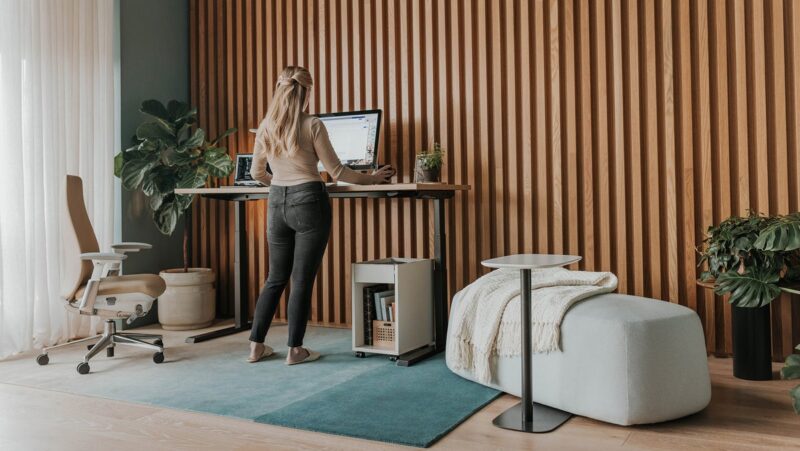
Not everyone has the luxury of a dedicated home office. Many people work from shared spaces such as living rooms, dining rooms, or bedrooms.
In these situations, choosing the right desk becomes even more important. A desk that can double as a console table or dressing table helps the space remain versatile.
Fold-away desks and wall-mounted designs can be useful in smaller homes, allowing the workspace to disappear when not in use.
Compact desks with a refined design are easier to integrate into shared rooms without making them feel dominated by work.
Flexibility is key in these environments. A desk that suits both work and everyday living helps maintain a better work-life balance and prevents the home from feeling permanently like an office.
Thinking About Flooring and Desk Placement
The relationship between your desk and the flooring beneath it is often overlooked, but it plays a practical role. Heavy desks can leave marks on softer flooring such as carpet, while chair movement can cause wear over time.
Choosing a desk with appropriate feet or using protective pads can help preserve the floor.
On hard flooring such as vinyl or laminate, stability becomes important. A desk that rocks or shifts can quickly become irritating.
Ensuring the desk sits level and does not damage the surface underneath contributes to a more comfortable and long-lasting setup.
Desk placement also affects acoustics and comfort. Positioning the desk away from high-traffic areas in the home can reduce distractions and help maintain focus during the working day.
Balancing Budget and Quality
Budget is always a consideration, but the cheapest option is not always the best value. A desk that feels unstable or uncomfortable can negatively impact your working day and may need replacing sooner than expected.
On the other hand, it is not necessary to spend a fortune to get a desk that works well.
Setting a realistic budget and focusing on quality, comfort, and suitability will usually lead to a better outcome. A well-chosen desk should support your work, fit your home, and remain comfortable for years to come.
When viewed as a long-term investment rather than a quick purchase, the decision becomes much clearer.
Creating a Desk Setup That Works for You
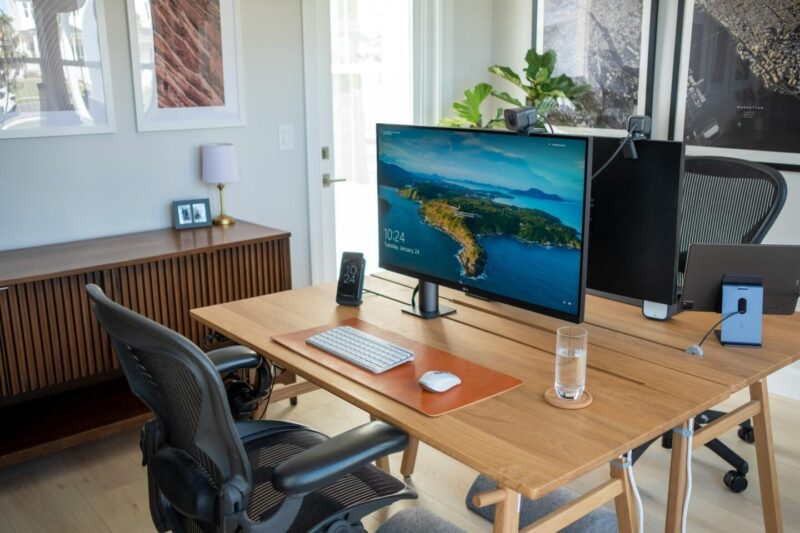
Choosing the best desk for working from home is about more than just measurements and materials. It is about creating a space that supports how you work and fits naturally into your home.
The right desk can improve posture, boost productivity, and make the working day more enjoyable.
By considering how you use your desk, the space available, and how the desk will integrate with your home, you can make a confident choice that suits your needs now and in the future.
A thoughtful approach ensures your home office feels like a place you want to work, not somewhere you are forced to sit.