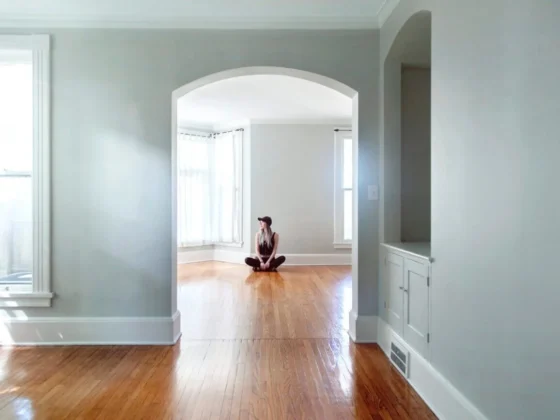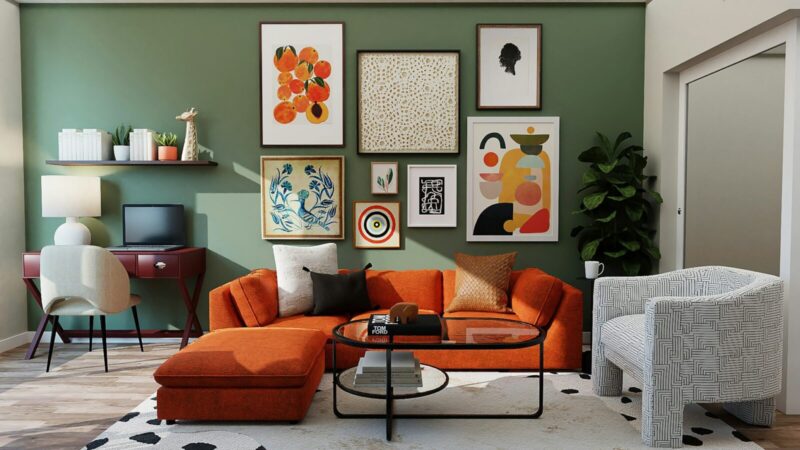
Have you ever walked into a room and felt… nothing? You see the walls painted in a lovely colour, the furniture is tasteful, yet something is so amiss you can’t feel a thing, as if the life has walked away from that home.
This is where the art of layering can save the day. It is the secret weapon of interior designers, the technique that transforms ordinary rooms into spaces that tell a story, show personality, and exhibit dimension. Combine textures, tones, patterns, and light, and your space will come alive for you.
If you’re worried that your place may lack that je-ne-sais-quoi, our guide will show you the way.
Lay the Perfect Base
To layer, you need something to layer onto. Like the canvas upon which the rest of your design will unfold. This can be a carefully chosen wall colour, a timeless sofa, a statement rug — you name it. A simple backdrop on which to start building the design. At this point, interior designers usually recommend going for a neutral base in warm whites, soft greys, and earthy beiges. A flexible neutral foundation makes it easy to refresh the look season after season by simply swapping out accessories.
Anchor your design in a strong, understated base, and the following layers will shine beautifully.
Weave in Texture
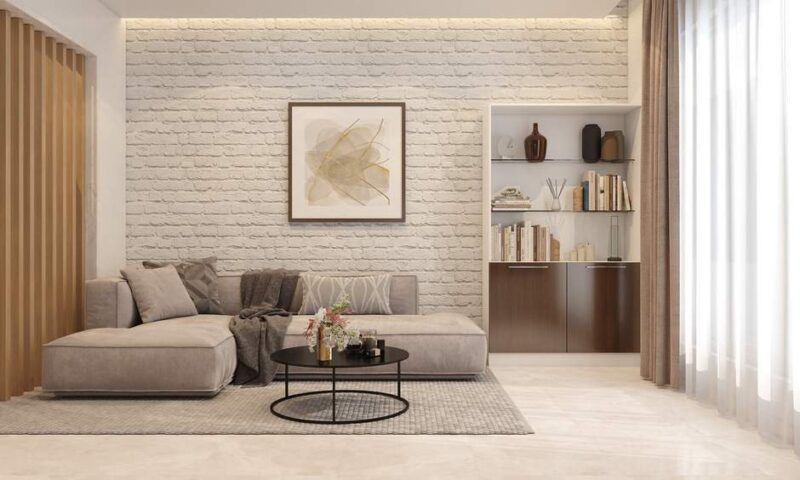
If you want to create depth and meaning with your design, texture is one of the most powerful tools you can use. A room can be transformed into something tactile and irresistibly inviting. Mix different materials — linen, velvet, leather, wood, stone — and see how variety engages the eye and the sense of touch.
However, the key to the magical solution is contrast. Put the smooth against the rough, matte against glossy. This is where depth is born, between a soft wool throw over a sleek leather sofa and the silk cushion resting on a raw linen chair. Designers call these “deliberate juxtapositions,” and they are precisely what prevent a room from feeling one-note.
Let the Prints Out
Patterns are energy. There’s nothing easier than making a place feel more alive with the right print. But do it without care, and it can quickly overwhelm. The secret, as always, is balance. To achieve it, you need to think about scale, repetition, and colour.
Remember that smaller patterns tend to recede into the background, while larger ones naturally command attention. However, interior designers know how to use this principle strategically. They will choose to layer a bold geometric rug with subtle floral cushions, where each element complements rather than competes.
Approach prints with intention, and you’ll achieve a layered look that is way more sophisticated and playful than anything you’ve had before!
Curate Walls with Detail
Inevitably, walls are always treated as blank backdrops, which is tragically unfortunate as they hold immense potential for adding architectural depth to a space. And forget about paint. You need to think in terms of texture and dimension: wainscoting, panelling, beautifully curated wall art prints, and even textured wallpaper can elevate your plain walls.
And you can also layer walls, did you know? It’s yet another powerful designer trick that groups frames or pieces of varying sizes or incorporates sculptural elements to introduce that visual rhythm that’ll shake everything up and break up expanses of emptiness. A subtle addition like horizontal moulding and vertical panelling will be enough to guide the eye and enrich the entire room’s sense of depth.
The Art of Layering Lighting
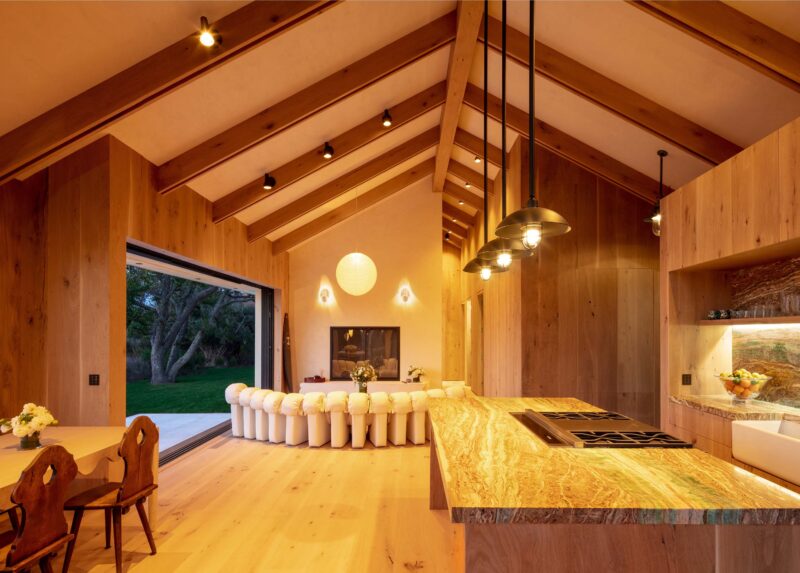
Lighting is illumination, and your next favourite thing to build the atmosphere in your home. You can often catch interior designers speaking of three essential layers: ambient, task, and accent lighting. That’s not just pretentious lingo. Think of ambient light as your overall illumination, task light as the one supporting specific activities, and accent lighting as the one that can highlight architectural features or décor.
Rely on a single overhead fixture and you’ll destroy a room’s potential. Instead, layer multiple sources (inspired by the three essential layers): a pair of wall sconces, a floor lamp, and the soft glow of candles.
Incorporate Natural Elements
Plants of varying heights, organic shapes, and layered greenery can soften hard edges and introduce texture, colour, and, quite literally, life to any space.
Interior design experts emphasise that even subtle natural touches like a trailing vine, a sculptural branch, or a small potted plant on a side table are often enough to enrich the visual layers of a room. Beyond aesthetics, these elements bring a sense of calm and vitality, grounding the space while enhancing its depth.
Play a Game of Scale & Proportion
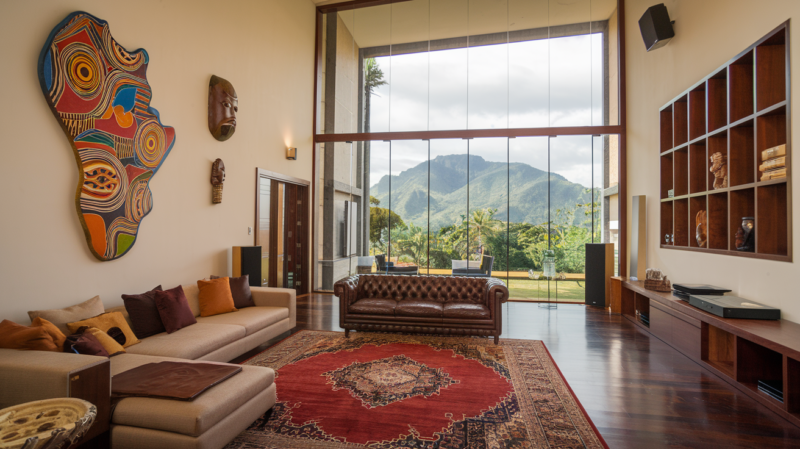
If you want to ensure that no flatness ever visits your place, you’ll need to master the thoughtful manipulation of scale and proportion.
What we mean is that a large statement artwork can anchor a wall, while petite decorative items on a console or shelf can be just what you need as counterpoints to keep the composition balanced. Mixing sizes thoughtfully, and your room will feel dynamic, layered, and intentional rather than static or one-dimensional.
The Final Layer: A Home That Lives
Layering is the secret to turning flat, lifeless rooms into warm, inviting, and sophisticated interiors. Thoughtfully combine textures, patterns, lighting, and natural elements, аnd you’ll create depth, movement, and personality in every corner of your home.
So start small: experiment with textures, add a few layered accessories, or mix in a plant or two. With each thoughtful addition, your home will grow richer, more dynamic, and unmistakably yours.