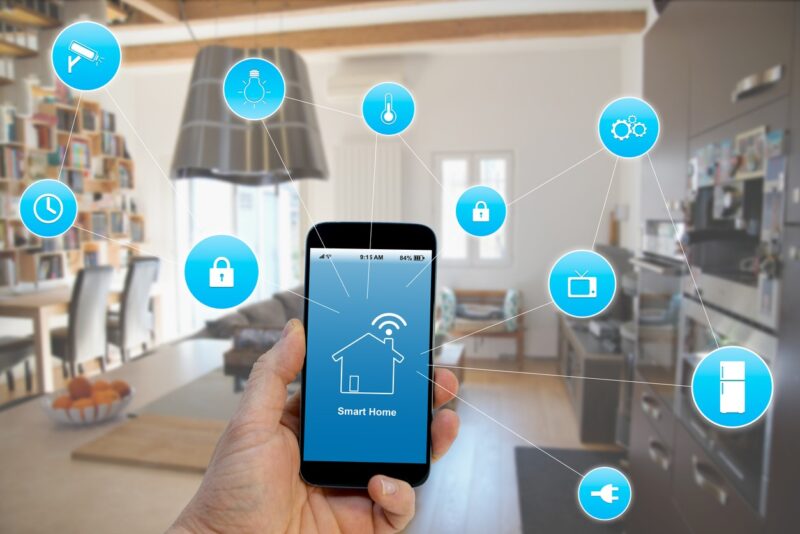
Smart home devices are no longer a niche technology. In 2025, connected locks, cameras, speakers, thermostats, TVs, and lighting systems will be standard features in many homes.
Convenience has reached a point where many daily routines depend on automation.
The security, however, is still a shared responsibility between manufacturers and users.
The Real Security Progress Since 2020
Compared to a few years ago, smart home security has improved substantially. Most reputable brands now use encrypted communication by default. Automatic firmware updates are widely supported. Two-factor authentication has become standard on many device accounts. These changes have significantly reduced mass-scale attacks that once targeted poorly protected smart gadgets.
However, these protections only work when users allow updates and avoid weak login habits. A secure system on paper can still become vulnerable in daily use.

Where Smart Homes Are Still Most Vulnerable
The main risk in 2025 remains internet exposure. Every device connected to Wi-Fi expands the digital surface that can be attacked. Weak passwords, reused credentials, and unpatched firmware continue to be the most common entry points.
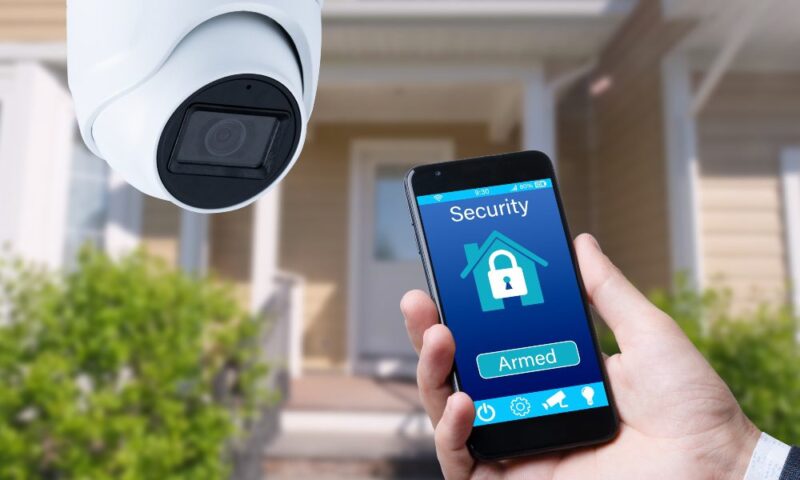
Cameras and doorbells carry the highest privacy impact. While video streams are now usually encrypted and often stored locally, attackers who gain account access can still view or manipulate feeds. Voice assistants add another layer of concern, as they collect detailed behavioral data that many users never fully control through privacy settings.
Why Network Security Matters More Than Any Single Device
Modern smart home security is less about individual products and more about how the entire network is structured. In 2025, separating smart devices from personal computers and phones using guest networks or dedicated IoT networks has become one of the most effective protective measures. This prevents one compromised device from turning into access for personal financial or work data.
There is also a growing focus on protecting digital content itself. Smart TVs, streaming sticks, and connected displays can now be targeted for software manipulation, content hijacking, and unauthorized media access.
For that reason, some users and system integrators rely on tools such as anti-piracy software to block unauthorized streams, firmware tampering, and signal interception in connected environments. While this is more common in business setups, it is gradually entering residential use as well.
The Bottom Line for 2025
Smart home devices in 2025 are safer than ever, but they are not “set and forget” technology. The security tools exist and are reliable when used correctly. Real-world safety still depends on awareness, setup discipline, and regular maintenance. In short, smart homes are secure by design now, but only secure in practice when users take their role seriously.