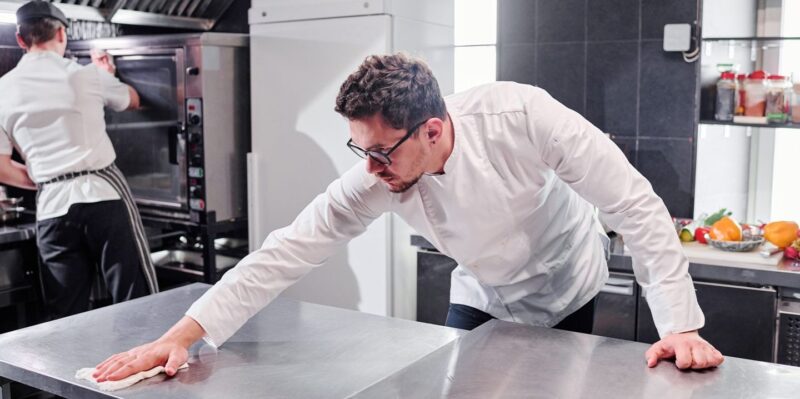
Are you running a food service establishment? Maintaining the hygiene standards should be one of your highest priorities. With that comes sourcing the right products that not only clean the best, but also make the task of doing so that little bit easier for you.
There are many areas of a commercial kitchen to clean. However, one of the most stubborn is the places that collect grease and grime. A high-quality commercial kitchen degreaser is essential. It not only keeps the workspace spotless for food preparation but also ensures it is safe and sanitary for staff and customers alike. Degreasers help meet health and safety standards for higher ratings, but also extend the lifetime of expensive equipment, preventing corrosive buildup.
In this article, we explain how you can guarantee your commercial kitchen meets those strict hygiene regulations.
Why Hygiene Matters
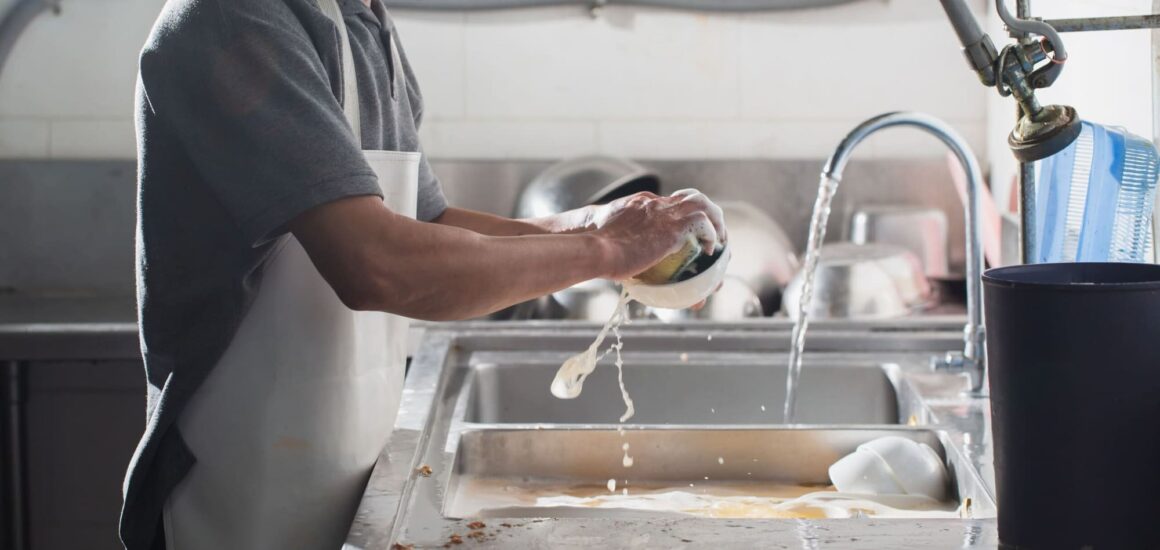
The FSA (UK Food Standards Agency) has specific statutes that all food businesses must comply with. These outline timely cleaning of floors, work surfaces, equipment and utensils. For this, you must use a purpose-built cleaning solution, such as a degreaser, to comply with the guidelines. Thankfully, these also streamline the process of cleaning for many.
The hygiene is for far more than just the appearance of the space; it significantly impacts:
Food safety: preventing cross-contamination and foodborne illnesses.
Staff wellbeing – with reduced health risks for employees handling food.
Customer satisfaction – as clean environments reinforce trust and professionalism.
A Daily Cleaning Routine
Grease, grime and food residues left untreated will start to harbour bacteria. Once this happens, your food preparation areas are no longer safe. A daily, structured and well-considered cleaning routine will ensure this never happens. Key processes to include within your cleaning schedule include:
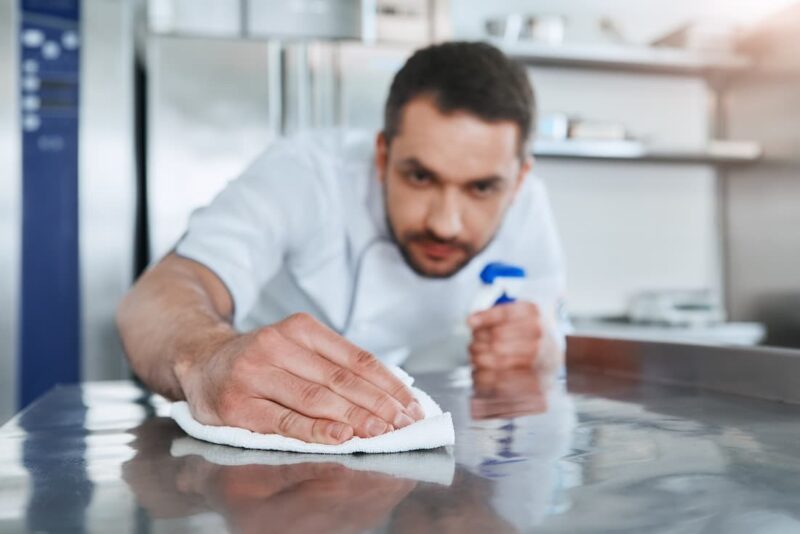
- Wiping down and disinfecting countertops, stoves, and preparation areas multiple times per day.
- Use a commercial kitchen degreaser to remove stubborn residues.
- Cleaning high-touch areas, such as handles and switches, to prevent bacterial spread.
Deep Cleaning Procedures
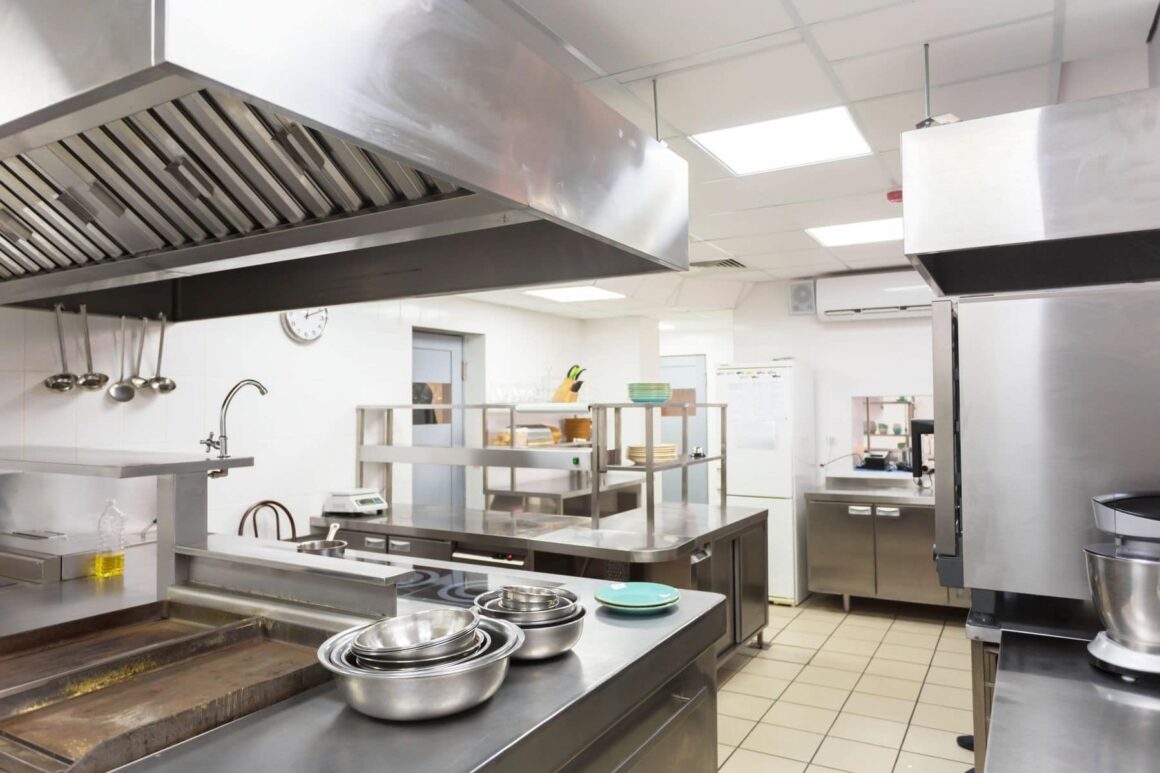
There are many hard-to-reach, overlooked areas of a commercial kitchen. When things get busy, that’s where the dust, muck and spills can really escalate.
Consider:
- Cleaning underneath large appliances
- Removing build-up from ovens, fryers and ventilation hoods
- Scrubbing the walls, tiles, backsplashes and floors.
Weekly or monthly deep cleaning plays an important role in keeping your kitchen truly hygienic.
Training and Best Practices
Training your staff is a highly crucial element when owning a food service facility. Your team, whether servers, chefs, or kitchen porters, needs to be thoroughly trained in the proper cleaning techniques to maintain high hygiene standards. Alongside this, they should also be advised of the safe use of chemicals, how to dilute them if applicable and where they should be stored, according to the manufacturer’s guidelines.
Another important rule is the order of cleaning. Everyone at your food preparation station should clean from the least contaminated areas first to the most contaminated last. This guarantees bacteria and grease are not spread across surfaces.
Well-trained staff ensure consistent results across all shifts and reduce the risk of contamination.
Equipment Maintenance
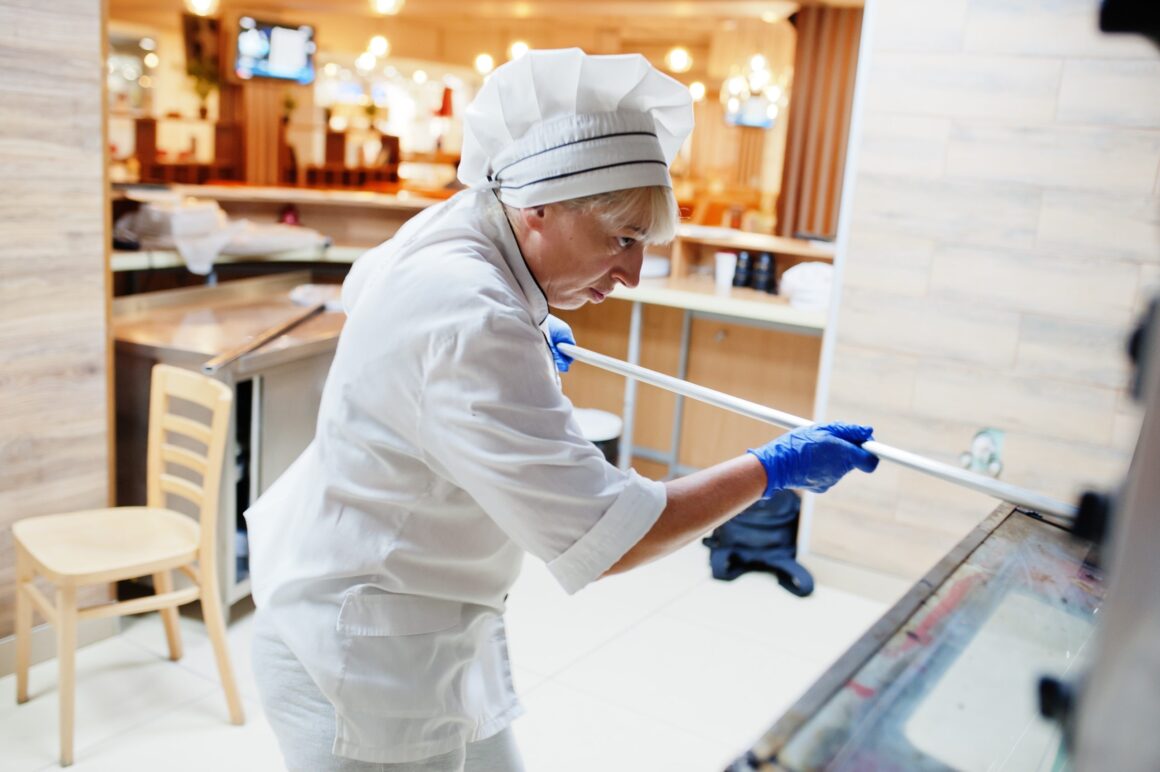
Integrating degreaser into your maintenance routine includes the ovens, grills and extraction systems. This helps prevent corrosion and extends how long your equipment lasts. It also reduces repair costs and, more importantly, mitigates unnecessary fire hazards.
Grease build-up happens quicker than you may expect. It also affects the functionality of your space. All commercial kitchen owners should regularly degrease the necessary equipment to keep each and every area of the kitchen safe and orderly.
Safe Storage of Cleaning Chemicals
Proper storage of degreasers and other hazardous chemicals is imperative. To do so:
-
- Clearly label all containers they are stored in.
- Store chemicals away from food and out of sight of untrained staff.
- Always carefully read and follow the manufacturer’s instructions to maintain product performance and safety.
This prevents accidental contamination and ensures a hygienic working environment.
Inspections and Responsibilities
Routine inspections are conducted for a reason – to identify the areas in your workplace that need additional attention and TLC. This is also a convenient time to ensure you are continuously complying with food safety and hygiene regulations.
As the business owner, it is your responsibility to ensure your kitchen and staff are prepared for these inspections. These can happen at any time, making maintenance of your working areas a top priority for commercial kitchens.
Carrying out weekly or monthly hygiene audits allows issues such as grease build-up, missed cleaning tasks, or worn equipment to be addressed before they become larger problems. Keeping a detailed cleaning log showcasing when equipment, work surfaces and other high-risk spots were last cleaned also promotes accountability across all shifts.
Importantly, inspection findings should be used to adjust and improve cleaning routines where necessary. While they may be an inconvenience from time to time, they cannot be avoided.
Demonstrate a clear commitment to high hygiene standards and provide reassurance to regulators, staff, and customers that cleanliness is consistently a top priority.
The Takeaways
The right combination of commercial-grade cleaning products, structured maintenance routines, detailed staff training, and regular inspections is all aspects to consider when owning a business in the food sector. When operating a food service, it is imperative that you follow, maintain and respect the strict hygiene standards set for you by the FSA. In doing so, you will protect the staff, meet every regulatory requirement, and provide new and returning customers with confidence that their meals are prepared in a safe, clean and appropriate environment.