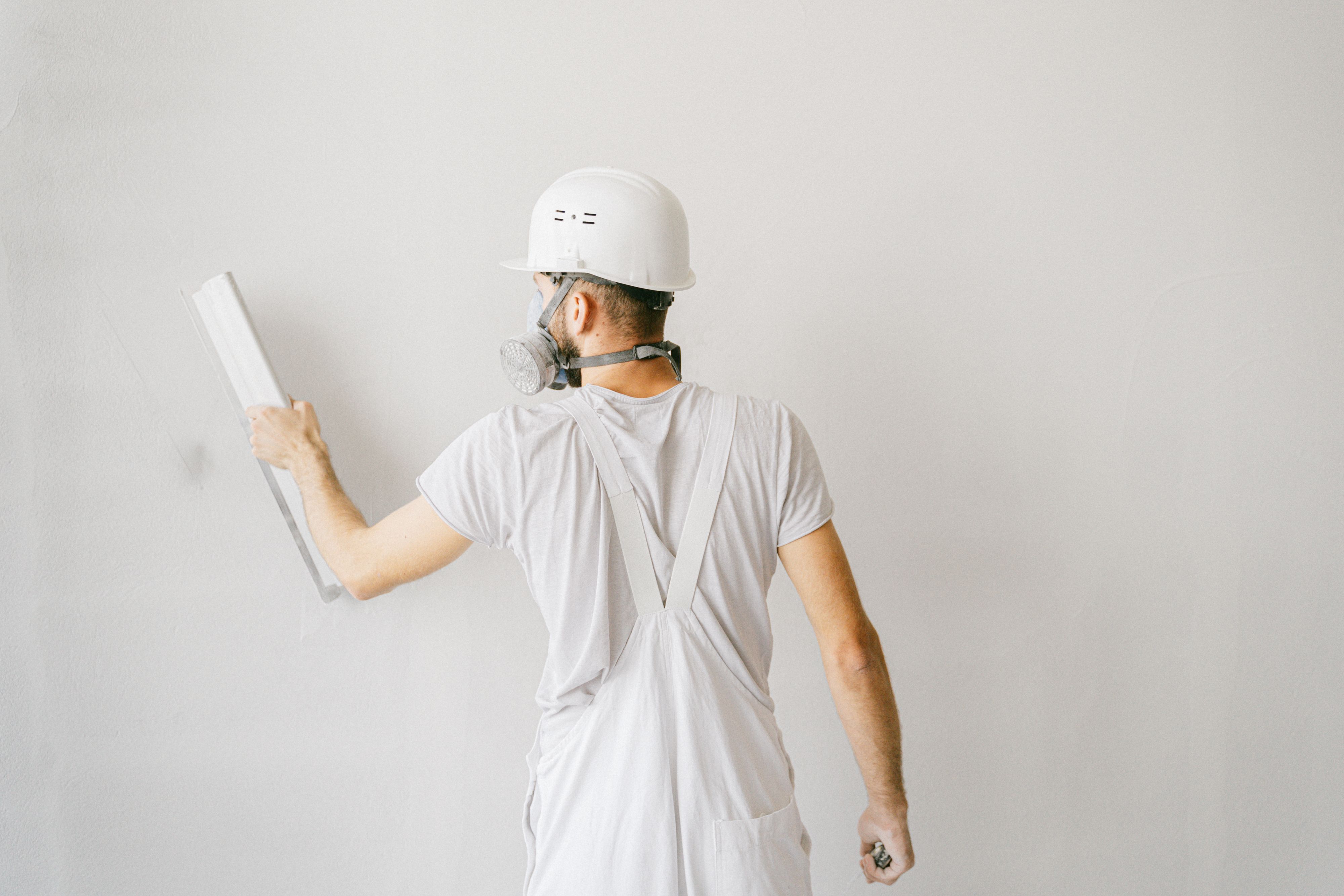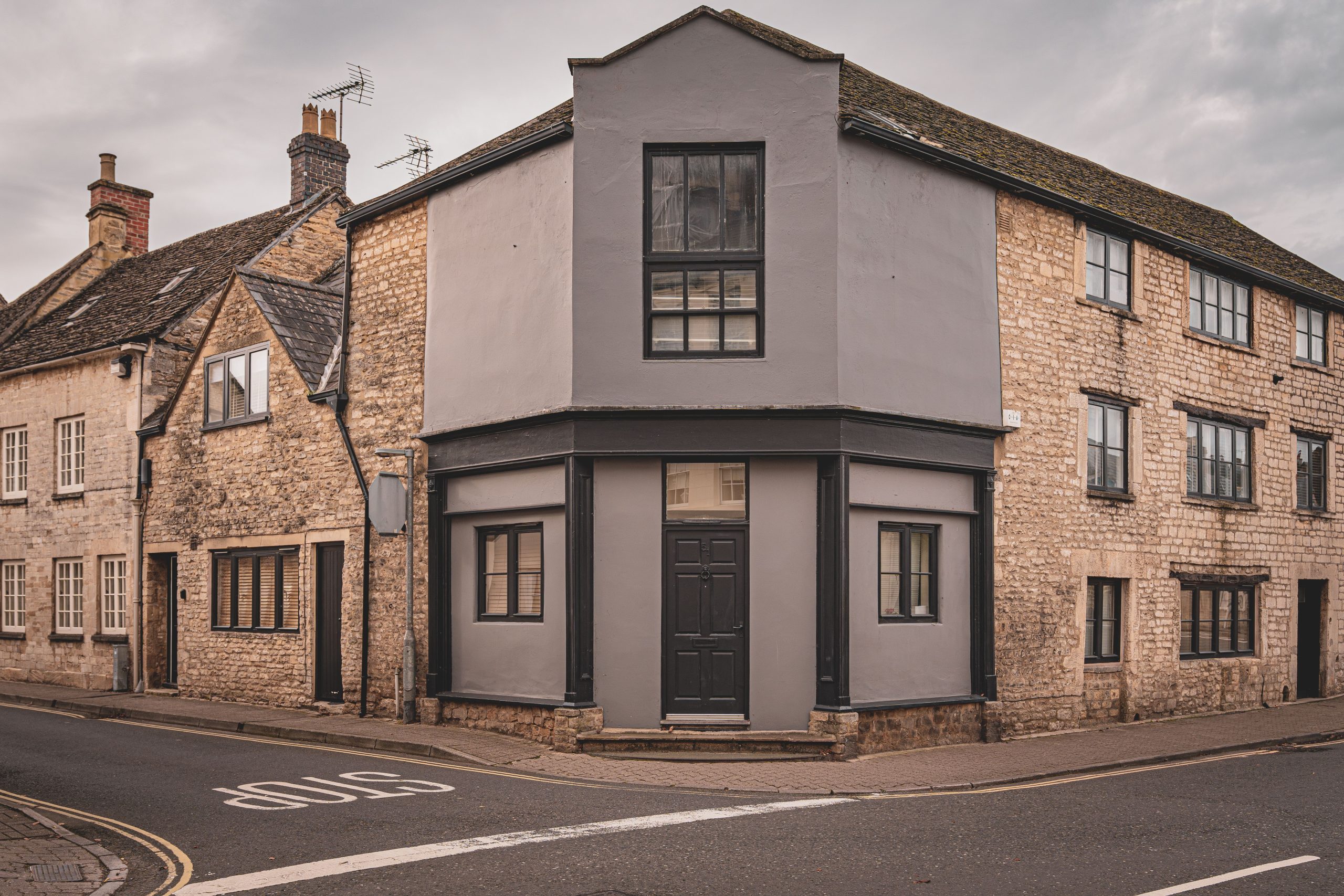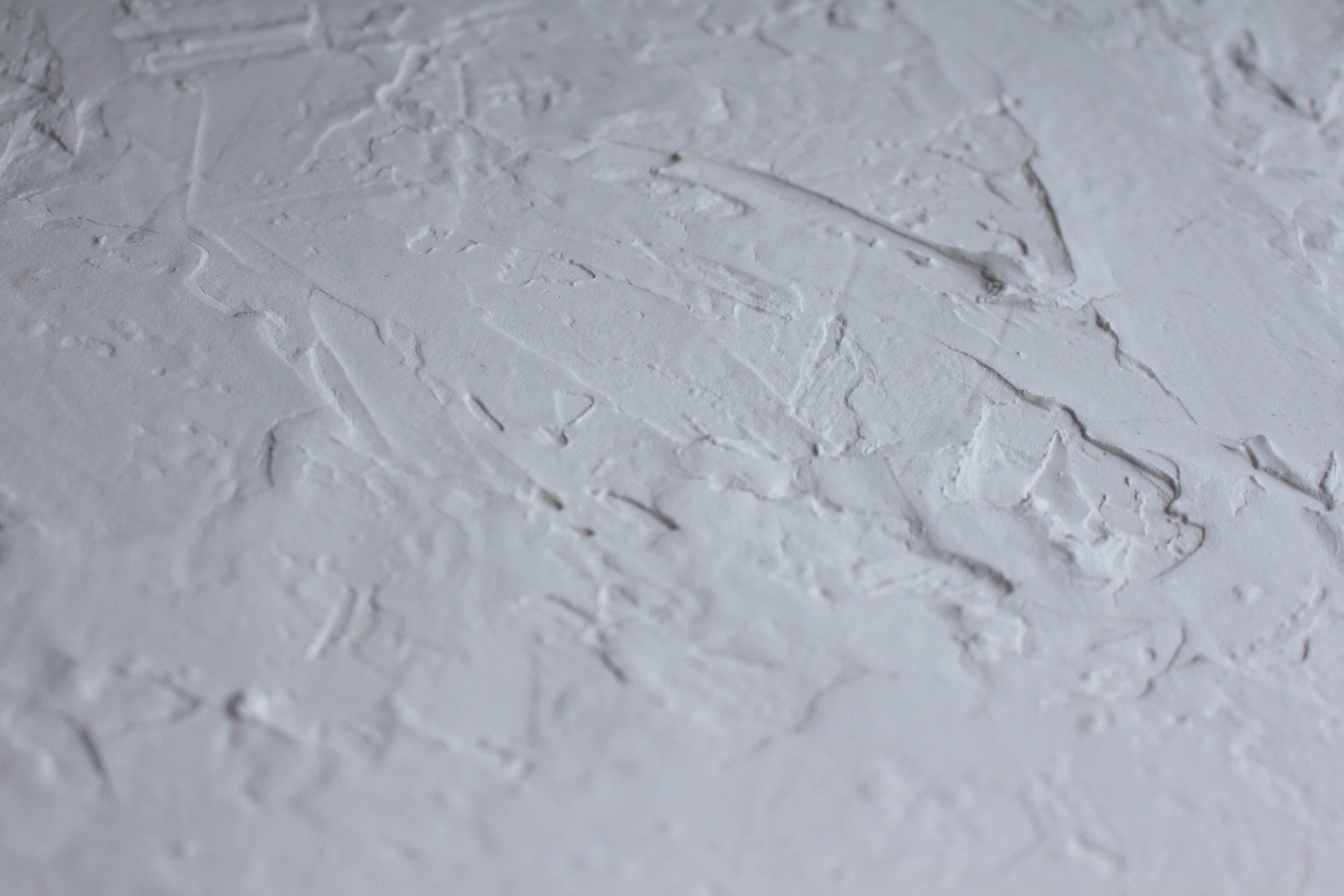
Choosing between plaster and plasterboard affects far more than the initial look of a room. The wall finish shapes how light bounces around a space, how sound travels, how long the walls stay crack-free, and how easily you can hang a heavy mirror years later. This guide compares both options so you can match the right finish to your interior design style and your practical needs.
Table of Contents
- What Is the Difference Between Plaster and Plasterboard?
- Traditional Plaster: Strengths and Limitations
- Plasterboard: Speed, Practicality and Flexibility
- Side-by-Side Comparison
- Matching the Wall Finish to Your Interior Design Style
- Cost, Installation and Upkeep
- Choosing With Confidence
What Is the Difference Between Plaster and Plasterboard?
Both materials produce a smooth, paintable wall, but they get there in different ways. Traditional plaster is a wet mix, usually gypsum or lime based, that is applied by hand over a masonry or lath surface and worked into a flat finish. Plasterboard, also called drywall or gypsum board, is a factory-made panel with a gypsum core sandwiched between paper facings. It is fixed to a timber or metal frame or dabbed onto a solid wall, then jointed and finished.
In practice, the key differences come down to:
- Application: plaster is wet and applied in coats, while plasterboard is a dry sheet system.
- Build time: plaster needs time to cure between coats, while plasterboard can be fixed and finished in a much shorter period.
- Surface character: plaster can look softer and more organic, while plasterboard gives a crisper, more uniform plane.
- Adaptability: plasterboard makes it easier to add insulation, cable runs and acoustic upgrades within the wall build-up.
Traditional Plaster: Strengths and Limitations
Plaster has been the standard interior wall finish for centuries, and it still has a loyal following. A well-applied plaster wall is hard, durable and visually rich. Light plays across the subtle variations in the surface, which is why plaster is so often chosen for period homes, lime-washed rustic interiors and modern spaces that want a tactile, handmade feel. The American Wall Ceiling and Interior Systems Contractors Association describes plaster as a traditional method that offers design flexibility in the finished appearance, and that flexibility is a big part of its appeal.
The trade-offs are real, though:
- Drying time between coats can stretch a renovation schedule by days or weeks.
- Application is a skilled job, and uneven coats are hard to hide once the wall is painted.
- Hairline cracks can appear as the building settles or the plaster dries, requiring patch work.
- Thick plaster adds little to the wall’s thermal performance unless insulation is added separately.
If you are considering plaster for an existing home, bear in mind that repairs usually need to match the original material. Many homeowners find that a specialist can assess the wall, identify the right mix and avoid mixing incompatible plasters. For those looking for local expertise, professionals offering Plastering Services in Melbourne can help with both new work and restoration of existing plaster walls.
Plasterboard: Speed, Practicality and Flexibility
Plasterboard changed residential construction because it is fast, predictable and cost-effective. Once the sheets are fixed and the joints are taped and filled, the wall is ready for decoration with little or no drying time. This is why drywall became the default choice for new-build homes and commercial interiors during the twentieth century.
Its main advantages include:
- Quick installation, which keeps labour and project timelines lower.
- Easy routing of cables and pipes behind the board, particularly on stud walls.
- Simple insulation options, including acoustic boards for better sound control.
- A consistent, flat surface that suits clean modern lines and minimalist schemes.
There are downsides too. A plasterboard wall can feel slightly hollow when knocked, and its surface is more vulnerable to dents and impact damage than solid plaster. Fixing heavy items can also require specialist fixings, especially on dot-and-dab walls where the board sits off the masonry. Finishes can look less textured than hand-applied plaster, although skim coats and careful finishing narrow that gap considerably.
Side-by-Side Comparison
The table below summarises how the two finishes compare on the factors that matter most when planning a room.
Matching the Wall Finish to Your Interior Design Style
The right finish often becomes obvious once you consider the style you want the room to express. Plaster and plasterboard can both work well in almost any scheme, but each tends to support certain looks more naturally:
- Japandi and Scandinavian: smooth plasterboard with a fine skim coat suits calm, uncluttered rooms with natural timber and linen.
- Mediterranean and rustic: hand-applied plaster in warm earthy tones adds depth and character to arched alcoves and exposed-brick-style spaces.
- Industrial and modern loft: plasterboard finished to a clean, flat surface works well, and deliberate joints can become part of the aesthetic.
- Classic and period: lime or gypsum plaster reflects the proportions and detailing of older architecture far better than a standard drywall finish.
- Contemporary minimalism: a super-smooth white plasterboard wall reflects light evenly and makes a room feel open.
Texture is where plaster really stands apart. A slightly irregular, warm-toned finish catches light differently across the day, which can add a sense of atmosphere that a flat painted board rarely matches. If your style leans toward softness, depth and craftsmanship, plaster is usually the more expressive choice.
Cost, Installation and Upkeep
Plasterboard is usually cheaper to install, largely because labour is faster and the material is widely available. Plaster can cost more, but the difference depends heavily on the room size, the condition of the wall, the number of coats and local labour rates. Old walls that need extensive preparation can tilt the balance in either direction.
Plasterboard installation rewards careful preparation. Boards must be measured, cut cleanly and fixed to a consistent framework or adhesive pattern. Edges and joints then need taping and filling to avoid visible seams. Cutting plasterboard is a straightforward job for a competent DIYer, but it does produce dust, so sealing off the work area and wearing a mask are sensible precautions.
For maintenance, plaster offers a dense, solid surface that tends to stay sturdy for decades when it is sound. Plasterboard is easy to patch with filler and paint, but larger damage may mean replacing a sheet. Either way, good ventilation during painting and a periodic check of joints and corners will keep walls looking their best.
Choosing With Confidence
There is no universal winner. Plaster rewards patience and suits interiors that prize texture, warmth and a sense of history. Plasterboard delivers speed, flexibility and a crisp finish that fits contemporary homes and tight timelines. Many designers now combine the two, using plaster in feature walls or key living spaces and plasterboard for ceilings, utility areas and rooms where speed matters.
Before deciding, walk through the room at different times of day, consider how you will use the space, and look at samples under your own lighting. The wall you choose will be seen every day, so it is worth getting the finish, and the tradesperson who installs it, right the first time.