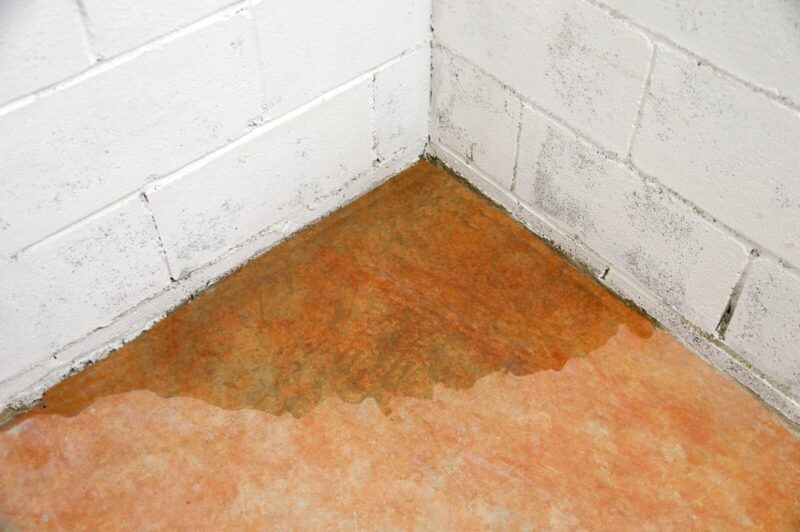
A slab leak happens when the water or sewer pipes running beneath your home’s concrete foundation become damaged, corroded, or broken. Because these pipes are completely encased in concrete and soil, leaks are rarely visible at first.
Left unchecked, a hidden subsurface leak can compromise your home’s structural integrity, cause extensive mold growth, and drive your water bills sky-high. Knowing how to spot early warning signs saves you thousands of dollars in foundation repair and remediation costs.
Common Warning Signs of Slab Leaks
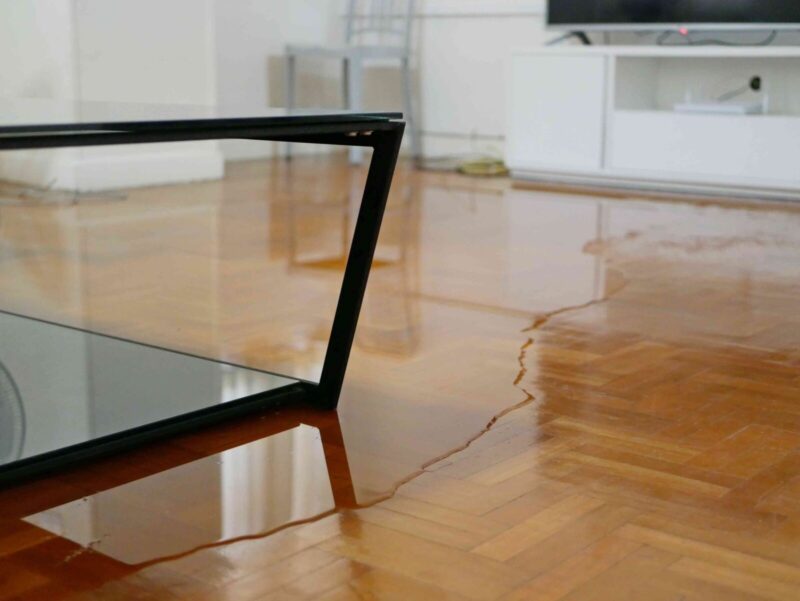
Since concrete slab leaks are found exclusively underneath the foundation of your home, the only way to stop these from causing significant structural damage is through early detection. Detecting these concealed pipe failures involves observing any changes in your home’s utility consumption and the environment.
1. An Unexpected Increase in Your Water Bill
An unexpected or inexplicable rise in your monthly water bill is one of the first signs of a concealed pipe failure.
- Historical analysis of your water consumption: Compare your current water bill to that of the same month in previous years. If your water consumption has not changed but your water bill is much higher, water might be leaking somewhere in the house.
- The meter test: Close all the faucets both inside and outside the house, as well as other water-consuming appliances. Look for the leak indicator on the water meter, which is a small red or blue triangle. If the indicator is still moving, water is flowing through a cracked pipe below the floors of your home.
2. Warm Spots on the Floor and High Humidity
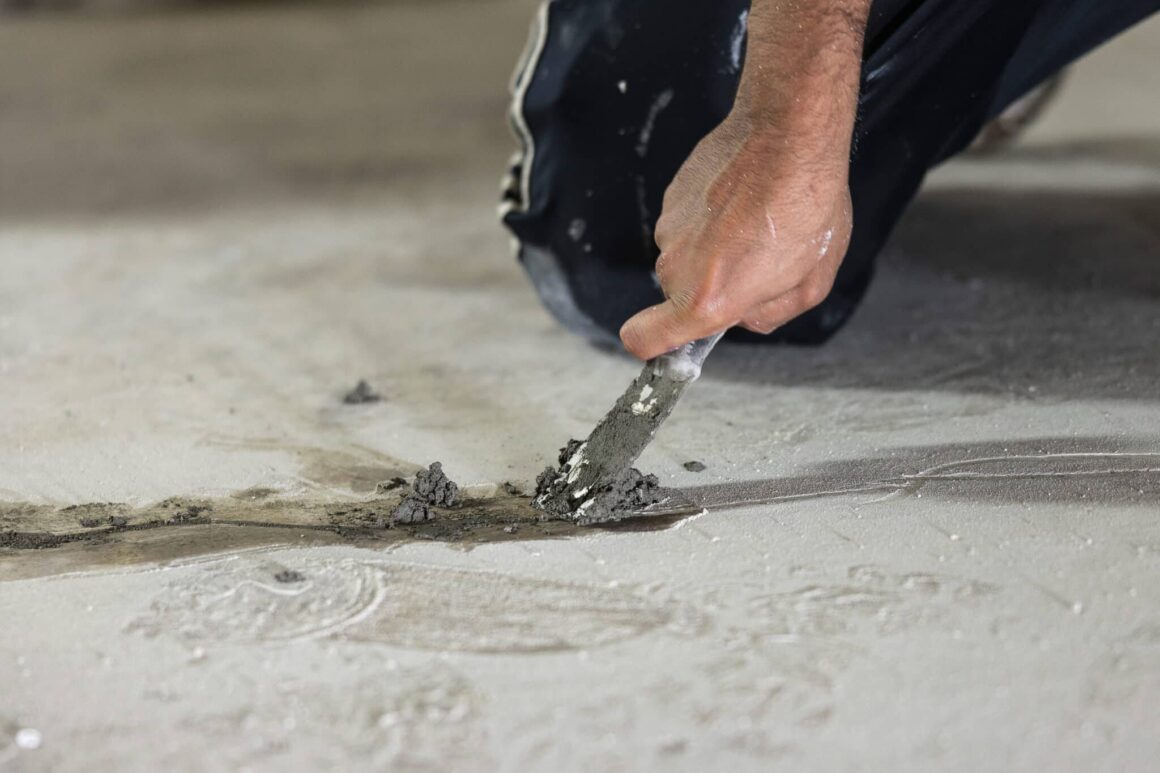
A crack in a hot water line under a concrete floor slab allows heat to transfer into the flooring material and its surroundings.
- Warm spots: Walk around the ground-level rooms barefoot. Should you find a clear, distinct warm spot on the floor, which could be hardwood, tiled, or carpet, but there is no immediate cause for it, such as a vent, then most probably the hot water line is leaking under the floor.
- Increase in Indoor Humidity: Leaking water under the floor is always rising as vapor inside the building. If you notice a sudden increase in indoor humidity levels, or if your windows are continuously fogging up despite ventilation, then you can assume that the culprit behind this is sub-floor moisture.
3. Changes and Damage to Flooring Materials
Continuous water movement from the bottom upward through porous concrete foundation slabs damages adhesives, subflooring, and finished flooring materials from underneath.
- Warped wood and laminate: Hardwood planks will be cupped or warped due to their absorption of underground water.
- Detached tiles: Tiles made of ceramic or stone may detach or crack because of the dissolution of the mortar used in fixing them.
- Soggy or stained carpets: Spots of moisture on carpeting in certain areas without any explanation mean the presence of water underneath.
4. Audible Running Water When Taps Are Off
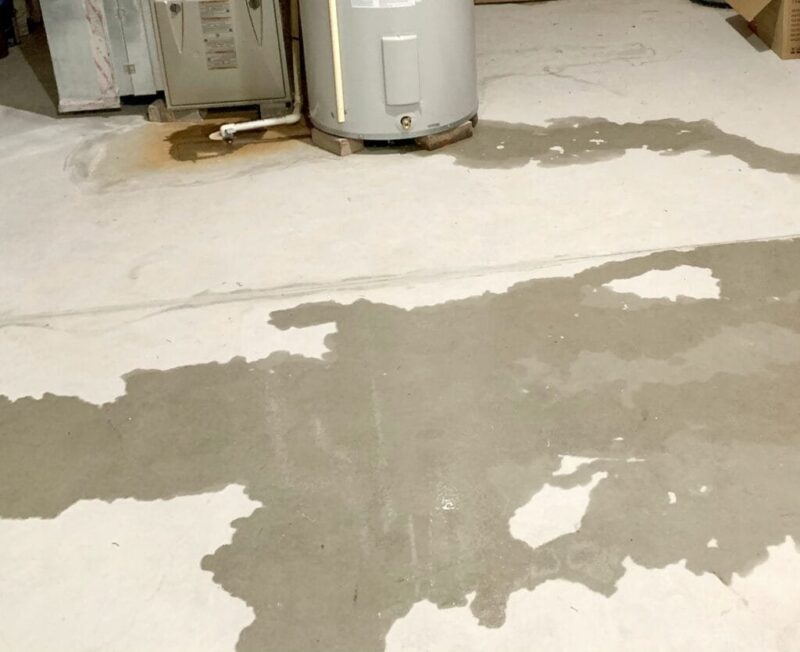
Modern homes are generally built with sound insulation, but a major sub-surface pipe rupture creates enough pressure and movement to produce audible clues.
- Quiet house sounds: Late at night when your home is completely quiet, listen closely near the ground level.
- The sound of rushing water: If you hear a faint hissing, trickling, or running water sound—even when every toilet, faucet, and appliance is turned off—pressurized water is escaping through a breach in your foundation pipes.
5. Cracks in Walls, Baseboards, and Foundation
Water leaks erode and wash away the supporting soil beneath a concrete slab, leading to shifting foundations and structural settling.
- Drywall and plaster cracks: Look for diagonal or jagged cracks appearing in drywall, particularly near doorframes and corners on ground-floor walls.
- Separating baseboards: If baseboards begin to pull away from the wall or warp, it indicates that the concrete slab or the wooden framing is shifting due to sub-surface soil erosion.
- Exterior foundation cracks: Visible fractures appearing along the exterior concrete stem wall often correspond to shifting sub-slab soil caused by long-term water saturation.
6. Mold, Mildew, and Persistent Musty Odors
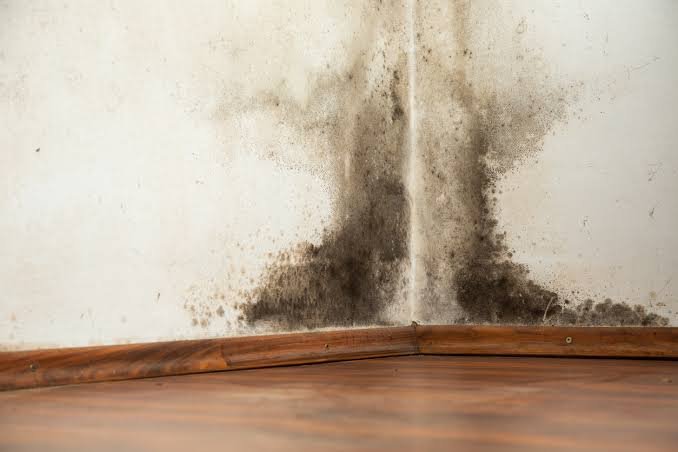
Moisture trapped beneath concrete creates a breeding ground for mold and mildew, which quickly works its way up into your living areas.
- Musty smells: A persistent, earthy, or musty odor that lingers near the floor—even after deep cleaning—is a classic sign of hidden moisture and mold growth beneath the slab.
- Low-level mold growth: Discoloration, peeling wallpaper near floorboards, or fuzzy mold growth on the lower portions of drywall indicate that water is evaporating from the foundation into your walls.
Professional Diagnosis and Prevention
Catching these warning signs early prevents minor pipe friction from turning into a catastrophic foundation disaster. If you suspect a problem, expert intervention is essential. Reputable regional specialists, such as West Hills Plumbing, utilize advanced electronic acoustic listening devices, thermal imaging cameras, and helium gas tracers to pinpoint leaks precisely without tearing up your entire floor.
Regularly monitoring your water meter, watching for subtle floor temperature changes, and acting immediately on unexplained dampness will protect both your home’s foundation and your financial peace of mind.