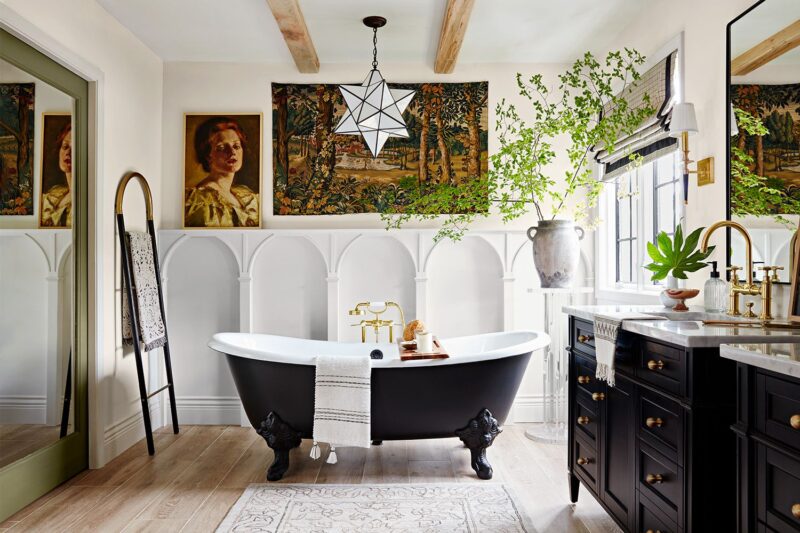
Your bathroom should be more than just a functional space. It’s where you start and end each day, making it worthy of thoughtful design and careful planning. Whether you’re working with a tight budget or ready for a complete overhaul, transforming your bathroom doesn’t have to be overwhelming. These seven practical tips will guide you through creating a space that balances style, functionality, and value.
Start with a Clear Vision and Realistic Budget
Before diving into any renovation project, take time to define what you want to achieve. Walk through your current bathroom and identify what works and what doesn’t. Do you need more storage? Better lighting? A more modern aesthetic? Creating a wish list helps prioritize your spending and ensures every dollar contributes to your overall vision.
Set a realistic budget that includes a 20% buffer for unexpected expenses. Bathroom renovations often reveal hidden issues like outdated plumbing or electrical work that needs attention. Having this cushion prevents project delays and reduces stress when surprises arise. Remember that some upgrades offer better returns on investment than others, so research which improvements add the most value to your home.
Focus on High-Impact Changes First
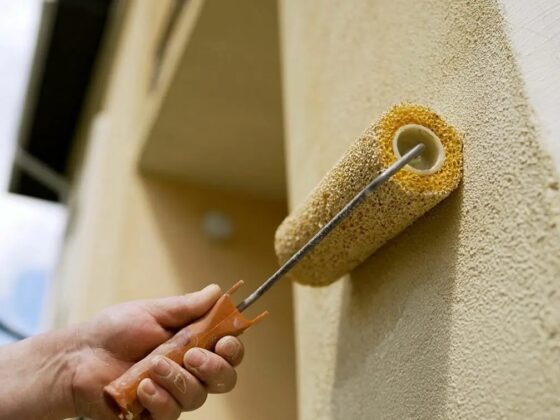
Not all bathroom updates require major construction. Sometimes the biggest visual impact comes from smaller, strategic changes. Fresh paint can completely transform the feel of your space, especially when moving from outdated colors to modern, spa-like tones. Replacing old fixtures like faucets, towel bars, and cabinet hardware creates an instantly updated look without breaking the bank.
Consider which elements draw the eye first when entering your bathroom. Often, updating these focal points creates the impression of a complete renovation while keeping costs manageable. A new vanity mirror, stylish light fixtures, or a beautiful shower curtain can refresh your entire space for a fraction of the cost of major renovations.
Upgrade Your Shower Experience
The shower is often the centerpiece of bathroom renovations, and for good reason. A beautiful, functional shower can transform your daily routine into a luxurious experience. Modern shower designs emphasize clean lines, quality materials, and thoughtful details that enhance both form and function.
When selecting shower components, pay attention to the details that make a difference in daily use. Quality shower door Hinges from Glass Simple, for example, ensure smooth operation and long-lasting performance while maintaining the sleek appearance of your glass enclosure. These seemingly small components play a crucial role in the overall functionality and aesthetic of your shower space.
Consider incorporating features like rainfall showerheads, built-in niches for toiletries, or bench seating for added comfort and convenience. These upgrades create a spa-like atmosphere that adds value to your home while improving your daily experience.
Maximize Storage Without Sacrificing Style
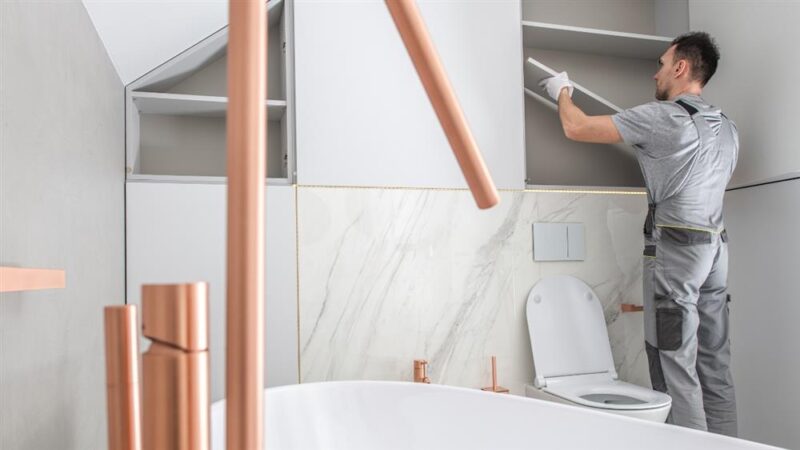
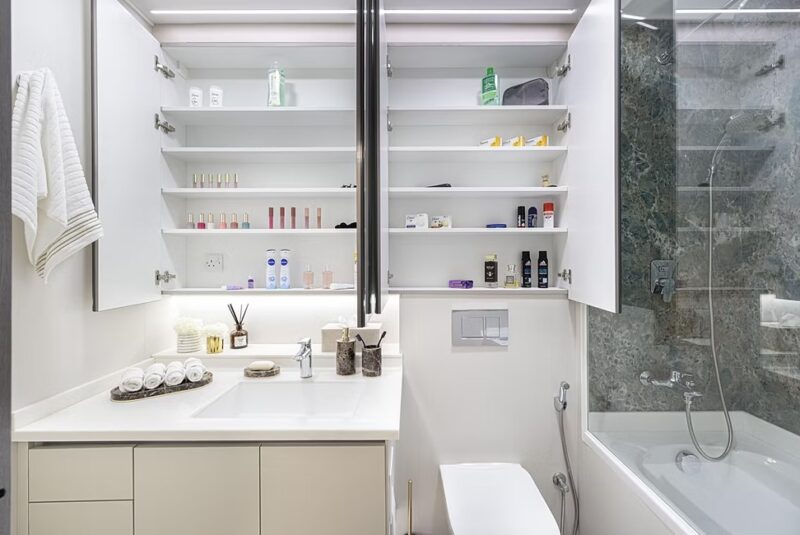
Bathroom storage is always at a premium, but clever solutions can provide the space you need without cluttering your design. Look for opportunities to add storage in unexpected places. Recessed medicine cabinets, floating shelves, and over-toilet storage units make use of vertical space effectively.
Built-in storage solutions often provide the most seamless look. Consider incorporating storage niches in shower walls, adding drawers to your vanity, or installing tall, narrow cabinets in unused corners. These solutions keep essentials organized and accessible while maintaining clean lines and uncluttered surfaces.
Think about your daily routine when planning storage. Items you use frequently should be easily accessible, while occasional-use products can be stored in higher or less convenient locations. This approach keeps your countertops clear and your space feeling organized and peaceful.
Choose Durable, Low-Maintenance Materials
Bathrooms endure constant exposure to moisture, heat, and daily wear, making material selection crucial for long-term satisfaction. Invest in quality materials that can withstand these conditions while maintaining their appearance over time. This approach saves money in the long run by reducing the need for frequent repairs or replacements.
Porcelain and ceramic tiles remain popular choices for their durability and water resistance. Natural stone adds luxury but requires more maintenance. For countertops, quartz offers the beauty of stone with better stain and scratch resistance than natural materials. When selecting materials, consider both initial cost and long-term maintenance requirements.
Don’t overlook the importance of proper installation. Even the highest-quality materials will fail prematurely if not installed correctly. Work with experienced professionals who understand the unique challenges of bathroom environments and can ensure your investment is protected.
Prioritize Proper Lighting and Ventilation
Good lighting and ventilation are essential for both functionality and longevity in bathroom design. Poor lighting makes daily tasks difficult, while inadequate ventilation leads to moisture problems that can damage finishes and create health issues.
Layer your lighting with a combination of ambient, task, and accent lighting. Overhead lighting provides general illumination, while vanity lighting ensures you can see clearly for grooming tasks. Consider adding dimmer switches to create a relaxing atmosphere for evening baths.
Ventilation is equally important but often overlooked. Ensure your exhaust fan is properly sized for your space and vented to the exterior, not into an attic or crawl space. Good ventilation protects your investment by preventing moisture damage and maintaining air quality.
Plan for Future Needs
As you plan your bathroom transformation, think beyond current needs to future requirements. Universal design principles can make your bathroom more accessible and comfortable for users of all ages and abilities. Features like curbless showers, grab bars, and comfort-height toilets provide benefits now while ensuring your bathroom remains functional as needs change.
Consider how your lifestyle might evolve and plan accordingly. Young families might prioritize easy-to-clean surfaces and ample storage, while empty nesters might focus on luxury features and aging-in-place considerations. Building flexibility into your design ensures your bathroom continues to serve you well for years to come.
Your bathroom transformation journey should result in a space that enhances your daily routine while adding value to your home. By following these seven tips and taking a thoughtful approach to planning and execution, you’ll create a bathroom that combines beauty, functionality, and lasting quality. Remember that the best transformations balance immediate impact with long-term satisfaction, creating spaces you’ll love for years to come.