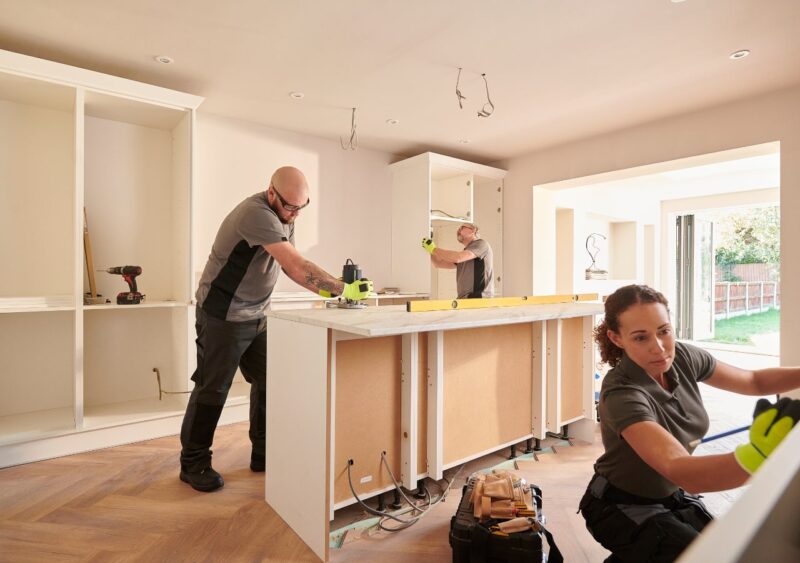
A professionally fitted kitchen can completely change the feel and function of your home. When done well, it offers a perfect balance between beauty and practicality, with every cabinet, appliance and tile carefully installed to suit your lifestyle. Understanding the process from the outset can help you plan better, reduce stress, and ensure you’re fully prepared for what’s to come. Whether you’re replacing an old kitchen or installing one for the first time, knowing what to expect helps keep everything running smoothly.
The Importance of Proper Planning
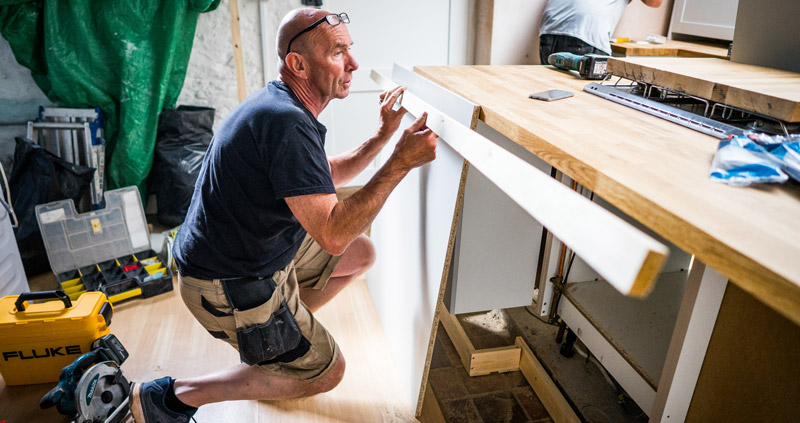
Before any tools are lifted, there’s the all-important planning stage. A good kitchen fitter won’t just turn up with a tape measure and start guessing. They’ll begin with a site visit, taking exact measurements and discussing how the space is currently used. You’ll have the opportunity to go over design ideas, material preferences, and any special requirements. This is also when you’ll decide on the layout and how you want your kitchen to flow — considering details like storage space, lighting, and access to sockets. From this point, a detailed plan is usually drawn up to act as a blueprint for the project.
Timelines and Disruption to Expect
Once the design is finalised, your fitter will provide a schedule and timescale for the work. This helps you prepare for any disruption, as a kitchen fitting does temporarily impact your daily routine. If major changes are being made — such as moving plumbing, rewiring, or knocking through walls — the project may involve other trades like electricians, plumbers, or plasterers. These will often be organised through the kitchen fitter, especially if you’re working with a company that manages the whole process from start to finish.
Removing the Old Kitchen
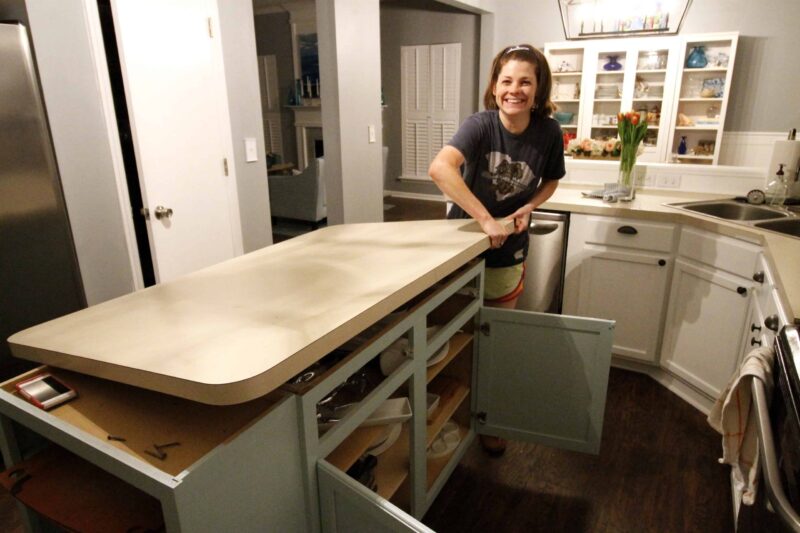
The removal of your old kitchen is normally the first job. This involves dismantling existing cabinets, removing worktops and disconnecting appliances. It’s often a messier phase of the process, but it makes way for the transformation to begin. Any repair work to walls or floors is tackled at this point too. If new kitchen tiles are being installed, the surface will be prepared ready to ensure a clean, even finish once the new tiling gets underway.
Preparing the Infrastructure
After the space is cleared, the foundational work begins. This might include updating plumbing to accommodate a new sink position or modifying electrics for integrated appliances and modern lighting. A professional kitchen fitter will make sure that all plumbing and wiring meet current safety regulations before anything else proceeds. It’s a crucial step that ensures the new kitchen is not just beautiful but also functional and safe.
Installing the Core Units
With the essentials in place, the kitchen cabinets are fitted. This part of the process starts to bring the design to life. Base units are installed first to create the foundation for worktops and upper cabinets. Wall units are added next, ensuring everything is perfectly level and aligned. Precision is key here — one small mistake can throw off the entire finish, so experienced fitters will take their time to get it exactly right.
Worktops, Splashbacks and Tiling
Next comes the installation of worktops, splashbacks and tiles. If you’re having natural stone or quartz worktops, templates may be taken in advance so they can be custom-cut before being brought on site. Once in place, kitchen tiles are carefully applied, whether on walls or floors, to complement the design and add the final layer of style and practicality. Grouting and sealing are completed to protect the surface and keep it looking fresh for years.
Fitting and Testing Appliances
Appliances are then connected. Whether you’ve chosen integrated ovens, dishwashers or hobs, each one is installed in line with manufacturer guidance and tested thoroughly. A professional kitchen fitter ensures that all appliances are secure, level, and ready to use before the job moves on. This part of the process also includes installing cooker hoods, taps, sinks, and lighting fixtures, giving the kitchen its finishing touches.
Cleaning Up and Final Checks
Once everything is fitted, the space is cleaned and any leftover materials or waste are removed. Many fitters will offer to dispose of your old kitchen as part of the service. At this stage, the kitchen is ready for a final inspection. A reputable fitter will walk you through the completed space, checking that everything works as it should and that you’re satisfied with the result. If there are any small issues or ‘snagging’ points, these can be corrected before sign-off.
The Advantages of Professional Fitting
One of the biggest advantages of working with a professional is peace of mind. From knowing that cabinets are securely fixed and level, to being confident that electrics and plumbing have been installed correctly, a professional fitting ensures your kitchen is more than just a nice space — it’s a reliable one. It also protects your investment, as a poorly fitted kitchen can cause problems down the line that are costly to put right.
Value That Goes Beyond Aesthetic
There’s also something to be said for the value a professionally fitted kitchen adds to your home. It not only enhances how you use the space but can boost the overall appeal of your property if you ever decide to sell. A kitchen that looks great and functions flawlessly is a major selling point, especially when buyers can see the attention to detail that’s gone into every fitting.
A Smoother Experience Through Preparation
While the experience of fitting a kitchen varies depending on the size and complexity of the job, knowing what to expect at each stage helps you make informed decisions. Whether it’s allowing time for the removal of your old kitchen or preparing for a few days without access to your oven, planning ahead ensures the whole process is smoother and less disruptive.
A Space Designed to Support Daily Life
In the end, a professional kitchen fitting is about more than just installing cupboards and appliances. It’s about creating a space that enhances daily life, supports the needs of the household, and looks good for years to come. When you know what to expect, you can approach the process with confidence, knowing that each stage is a step closer to the kitchen you’ve always wanted.