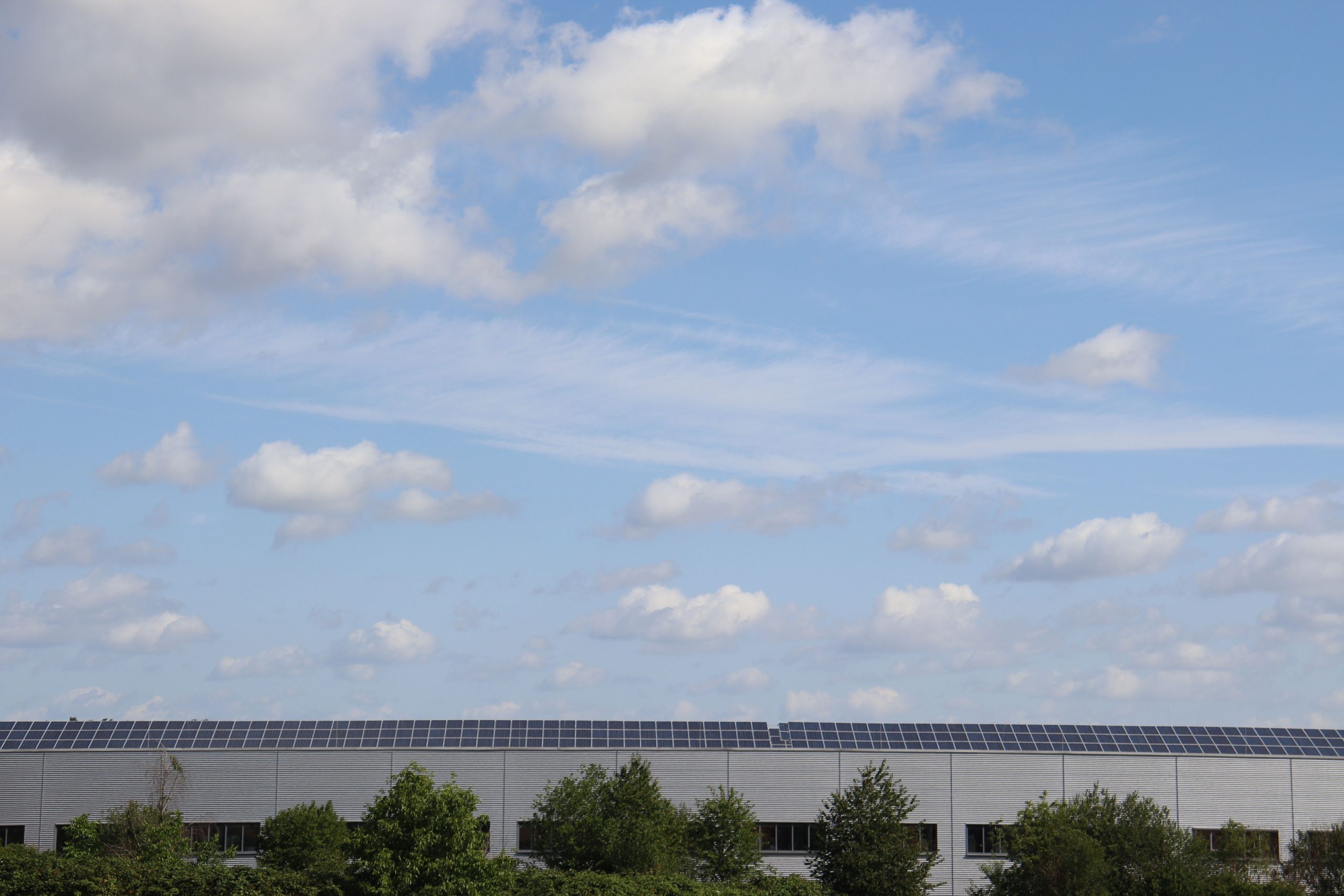
A factory or warehouse roof can look like free space for panels. Sometimes it is. Sometimes the building doesn’t use enough power in daylight, the sheets aren’t up to the load, or the grid connection will be slower and more expensive than the sales brochure implied. The difference between those outcomes is nearly always in the first bit of homework, not in the brand of panel.
If you’re considering a system for a workplace, here’s a practical way to look at commercial solar and battery storage: how it’s sized, what it tends to cost, and the questions worth asking before anyone climbs on the roof.
Size It to the Daytime Load, Not the Roof
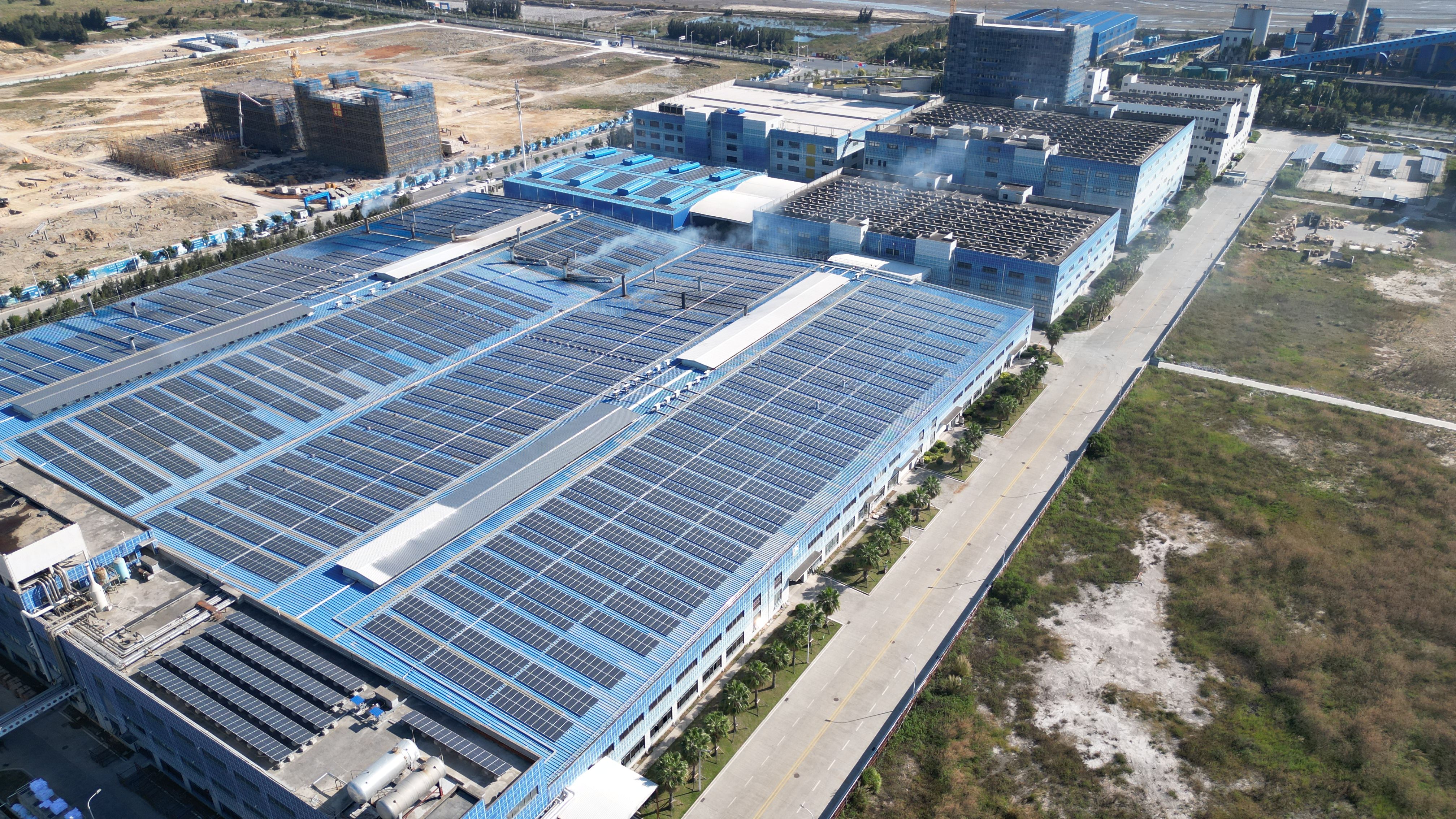
The useful starting point is a year of half-hourly meter data, not a walk-over of the square metreage. Panels only earn their keep if the building can use the power they make, or if you have a realistic, contracted rate for anything you export. A busy workshop, a chilled warehouse or a wholesale unit with the lights and kit on from morning to late afternoon is a much better match than a lightly used shed with a huge roof.
A well-designed array for commercial solar in Manchester is usually smaller than the roof could physically take. That’s deliberate. Spare space is not a wasted opportunity if filling it just dumps cheap power onto the grid at lunchtime and leaves you buying it back in the evening.
Batteries come into the conversation when the site runs on into the evening, has trippy capacity charges, or is likely to be capped on what it can export. They are not automatic. A battery you don’t need is an expensive cupboard.
What a Decent Proposal Should Show You
Most proposals look polished on page one. The ones worth taking seriously are duller and more specific further down.
Ask where the consumption figure came from. If it’s last year’s bill divided by twelve, the self-consumption estimate is a guess, because it can’t tell night from day. Half-hourly data can.
Ask what export rate has been assumed, and whether a supplier has actually offered it on a business meter. The Smart Export Guarantee is a requirement for larger domestic suppliers; not every business tariff includes a decent export rate, and some don’t include one at all. A proposal that relies on a generous export price is more fragile than one built around power you use on site.
Ask who has looked at the roof. A structural engineer should confirm the load, and someone competent should say what the sheets are made of. Fibre-cement roofs are often fragile, and older ones may contain asbestos. If the roof has to be over-clad or replaced first, that cost belongs on its own line, not folded into a “turnkey” number you can’t unpick.
Ask about the grid. Almost any commercial system needs a G99 application to Electricity North West, the network operator for this part of the country. The answer might be a straightforward yes, an export limit, or a quote for reinforcement. That answer can change the design, so the application should go in early, not the week before installers turn up.
Also ask which fire-safety guidance the layout follows, and send the design to your insurer before work starts. Isolation, cable routes, spacing and any battery siting are the details underwriters actually care about.
What the Local Conditions Really Mean
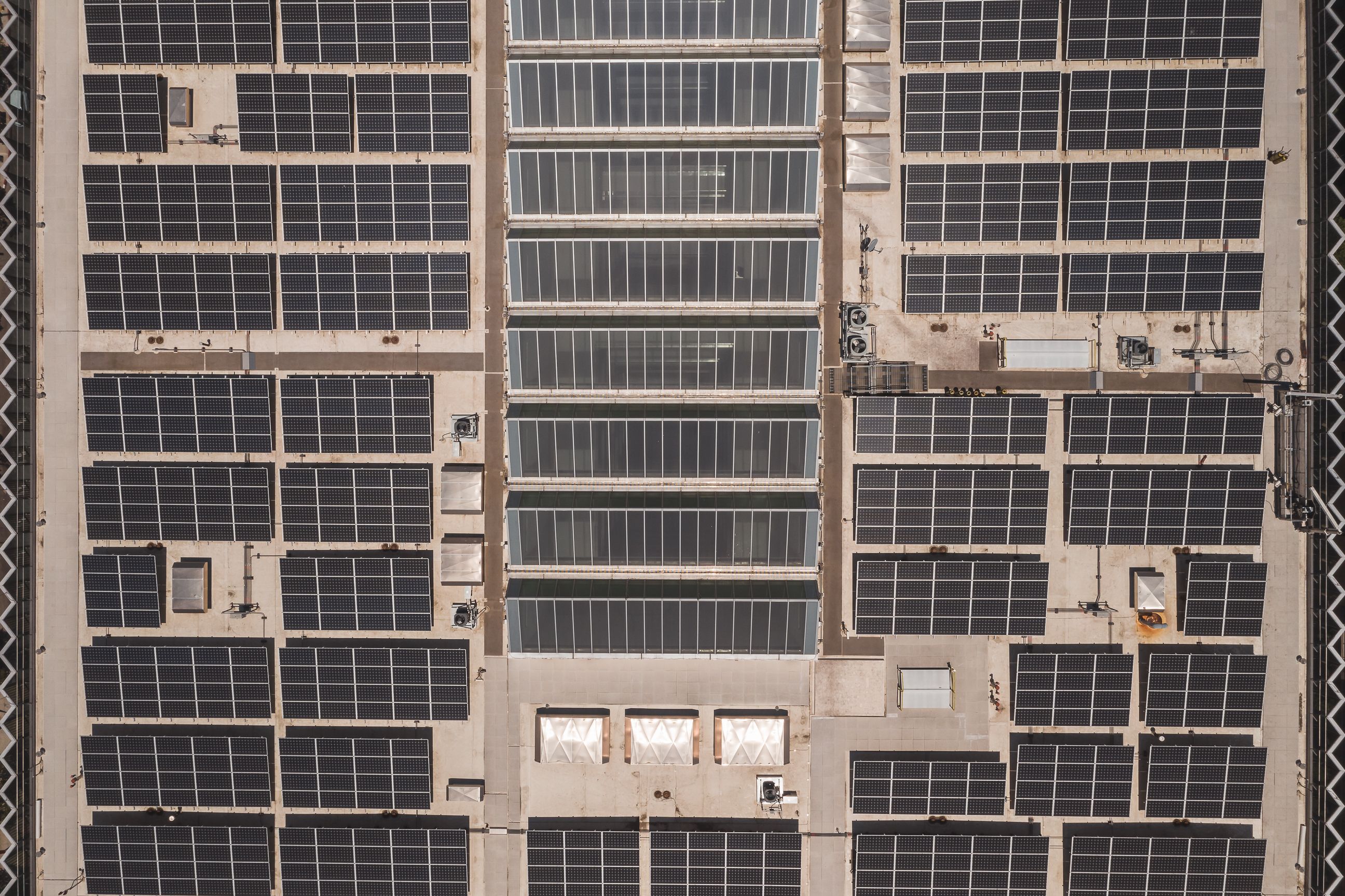
The city’s reputation for rain is worse than the solar resource. Grey days still generate, they just generate less, and a proper yield model already allows for that. A south-facing array on a reasonable pitch will produce more than a low-tilt layout on a flat roof, but flat roofs are what a lot of industrial buildings have, and an east-west layout can still be a good fit for a site that uses power through the working day.
The buildings that tend to suit this work sit across Trafford Park, along the older industrial streets in Openshaw and around the airport, and in the wholesale and logistics pockets of Salford and the western boroughs. Older mill-style roofs, modern steel sheets and felted flat roofs all need different mounting. The panel is the easy bit. The fixings, the walkways and the way the cables get down to the switchroom are what make a system easy to live with in year ten.
Planning is kinder than many directors expect. Solar on a non-domestic roof is often permitted development, with height and edge rules, though larger arrays can need a prior approval on appearance and glare, and listed buildings are a different matter. Conservation streets need a case-by-case look. Your installer should tell you which applies, not leave you to find out from the council.
On-site generation and the batteries used with it have also had favourable treatment for business rates in England in recent years, but tax and rates change, so this is one for your accountant rather than a line in a brochure.
What a System Typically Costs in Manchester
There is no single price, because access, roof type and the grid connection move the figure more than the choice of panel. As a 2026 guide, smaller commercial rooftop systems (roughly 10 to 50 kW) often land around £1,000 to £1,400 per kW installed, including the connection work that is known at quote stage. Larger arrays usually cost less per kW, though a difficult roof or a network charge can wipe that out.
Worked roughly:
- A 30 kW roof, typical access: often £30,000 to £42,000
- A 100 kW roof on a straightforward steel deck: more like £80,000 to £120,000
- Commercial battery storage: commonly a few hundred pounds per kWh installed, but the right size is a design question, not a catalogue one
Payback depends almost entirely on how much of the generation you use on site and what you pay per unit. On a daytime-heavy site, payback is often talked about in a range of about six to ten years; on a site that exports most of its midday power, it can be longer and may not be worth doing until the tariff or the load changes. Any proposal that gives you a single, neat payback number without showing the assumptions underneath is not doing you a favour.
Capital allowances can improve the cash case for a limited company, including the Annual Investment Allowance in many situations. Again, that’s for your accountant to apply to your accounts, not for an installer to promise.
How to Judge the Installer
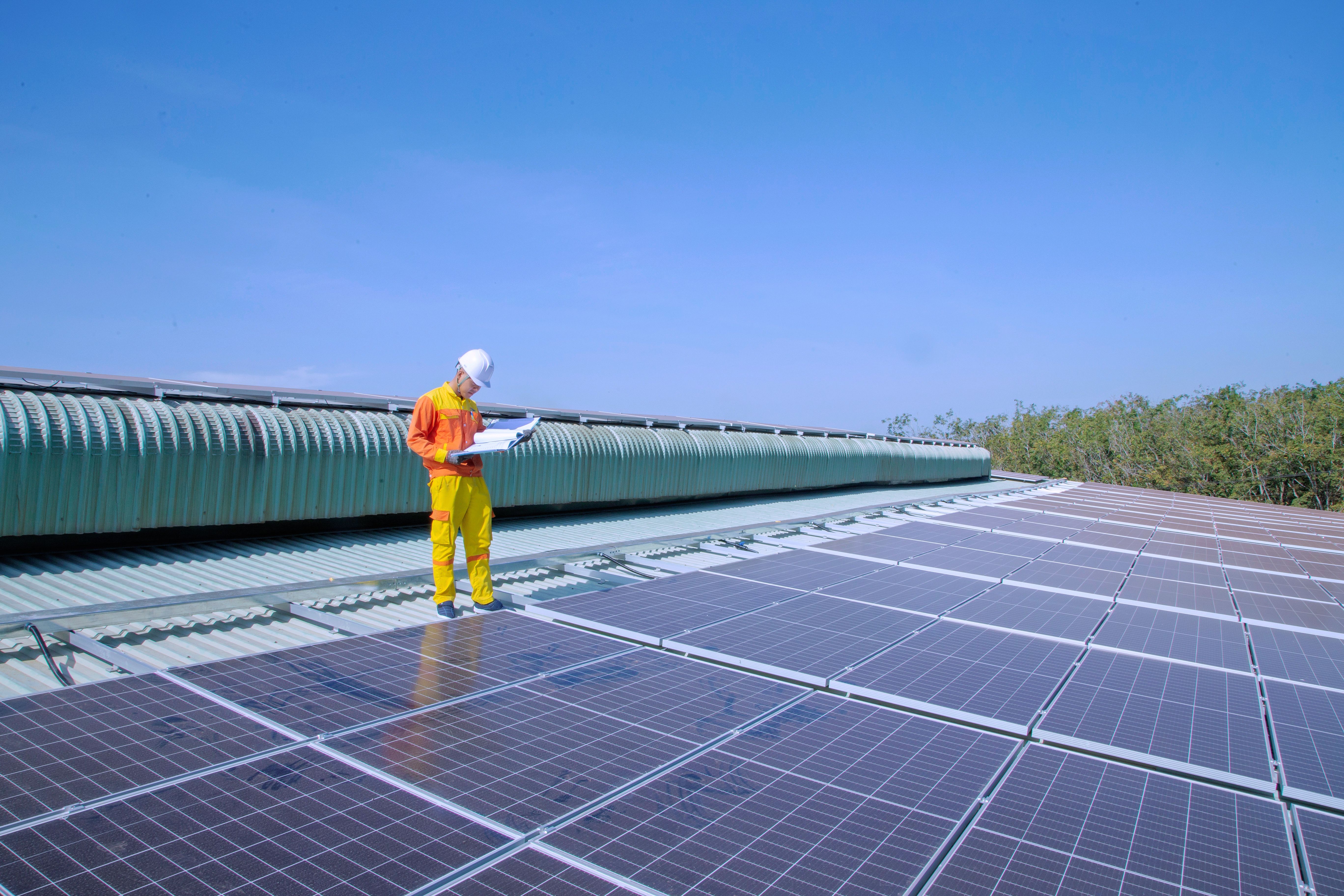
Experience on commercial roofs matters more than a shiny domestic portfolio. Ask for a reference site you can visit, a year of generation data from a system they have already fitted, and an example of the handover pack: test certificates, as-built drawings, the grid paperwork, warranties and monitoring logins.
The workmanship guarantee and the manufacturers’ warranties are two different things. One covers how the system was put on your roof. The other covers the panels, inverters and batteries as products. Both should be in the quote, with the model numbers named.
If the numbers don’t work for your building, the honest proposal says so. That’s the installer you want, even if it means you wait a year, repair the roof first, or drop the battery.
Thinking about a system for a workplace in Manchester? Get in touch with Commercial Solar Manchester. We’ll look at your meter data and the roof, and tell you whether the numbers work before anyone talks about panel counts.
Frequently Asked Questions
How much does commercial solar cost in Manchester?
As a guide, smaller commercial rooftop systems often cost around £1,000 to £1,400 per kW installed. A 30 kW array is typically £30,000 to £42,000, and a 100 kW array on a straightforward roof is often £80,000 to £120,000. Roof repairs, difficult access and any network work quoted by the DNO sit on top of that.
Do I need planning permission for panels on a business roof?
Often not, if they stay within the permitted development limits on height and distance from the roof edge. Larger arrays may need prior approval from the council on appearance and glare. Listed buildings need full consent, and conservation areas should be checked case by case. A decent installer will tell you which applies to your address.
Will the network operator let us connect?
Almost any commercial system needs a G99 application to Electricity North West. You might get a straightforward connection, an export limit, or a quote for reinforcement. The application should go in early, because the answer can change the size of the system and the payback.
Is a battery worth adding?
Only if the site uses power outside daylight hours, faces capacity or peak charges, or is likely to be limited on export. If most of your demand already sits under the solar curve, a battery may not earn its keep. Ask to see the case with and without storage, using your own half-hourly data.
Our roof is old fibre-cement. Can it take panels?
Sometimes, but it has to be checked, and it should be treated as fragile until a competent person says otherwise. Older sheets may contain asbestos. The usual remedies are over-cladding or a re-roof before any panels go on. If that’s the case, the roof cost should be shown separately so you can see what the solar itself actually costs.