Living in a small home doesn’t have to mean living in a cramped space. With the right design strategies, even the tiniest studio or one-bedroom apartment can feel open, airy, and welcoming. The secret lies not in tearing down walls but in making intentional choices that maximize space, light, and flow.
Many modern compact living concepts, such as those seen in Sonar Studio designs, focus on blending functionality with visual openness to make small homes feel significantly larger.
Instead of spending a fortune on renovations, you can achieve a sense of spaciousness with simple adjustments: smarter layouts, lighter color palettes, and clever storage ideas.
Key Highlights:
- Simple tweaks in light, layout, and storage create a sense of openness.
- Colors, mirrors, and textures can trick the eye into seeing more space.
- Furniture size and placement matter as much as the pieces themselves.
- Decluttering is the fastest way to feel like your home has “grown.”
- Small homes thrive on vertical and multipurpose design.
1. The Power of Light and Color
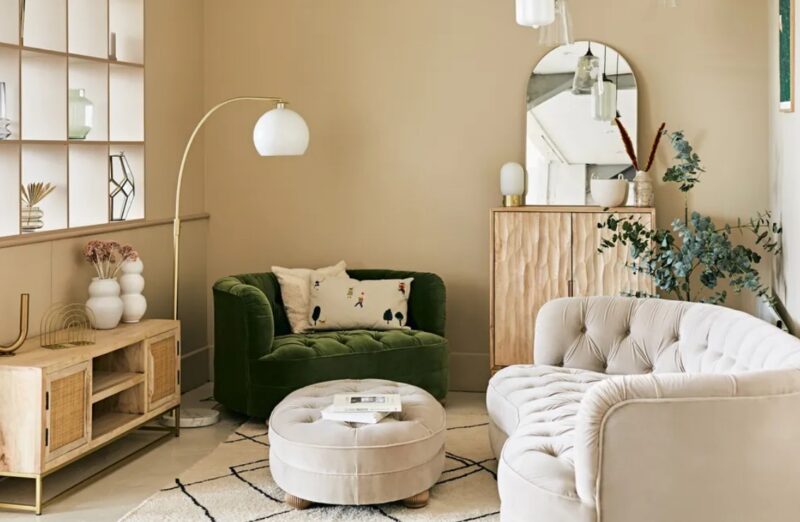
Light and color are the two easiest tools you can use to make any room feel larger. Natural light instantly creates openness, while the right shades on your walls and furniture can add depth without crowding the room.
Heavy curtains or blinds may give privacy, but they also cut off valuable daylight. Switching to sheer fabrics or roller shades lets the sunshine in, keeping the room bright without sacrificing comfort. And when it comes to paint or furniture, light colors visually expand space while darker accents give dimension.
A few strategies to keep in mind:
- Maximize daylight. Keep window areas uncluttered, use mirrors to bounce light deeper into the room.
- Choose lighter wall colors. Whites, creams, or soft grays reflect more light and make walls recede.
- Play with contrast. One darker feature wall can add depth, provided the surrounding tones remain light.
Notice how each tip builds on the idea of openness rather than just aesthetics—every choice should support both style and perception of space.
2. Smart Storage That Works With You
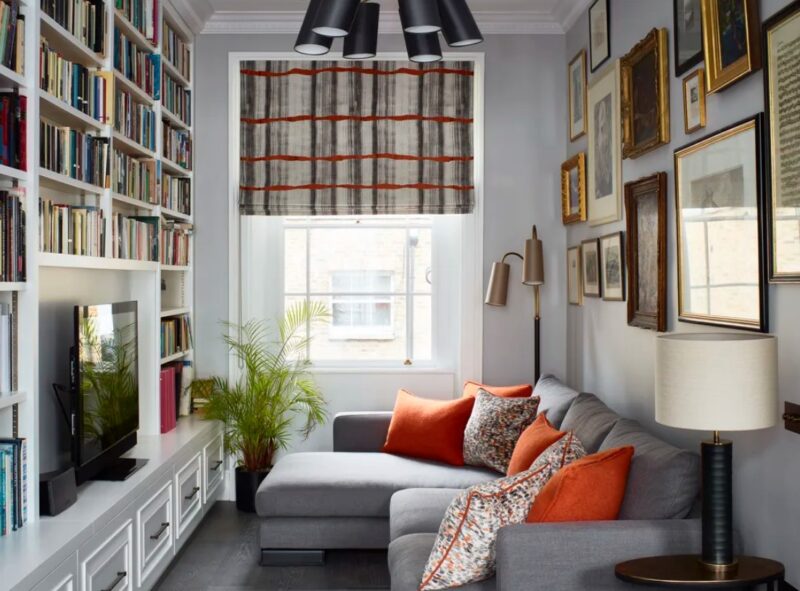
Clutter is the number-one culprit in making homes feel small. Even the most beautiful design choices lose their impact when things pile up on every surface. That’s why storage should never be an afterthought—it’s part of the design itself.
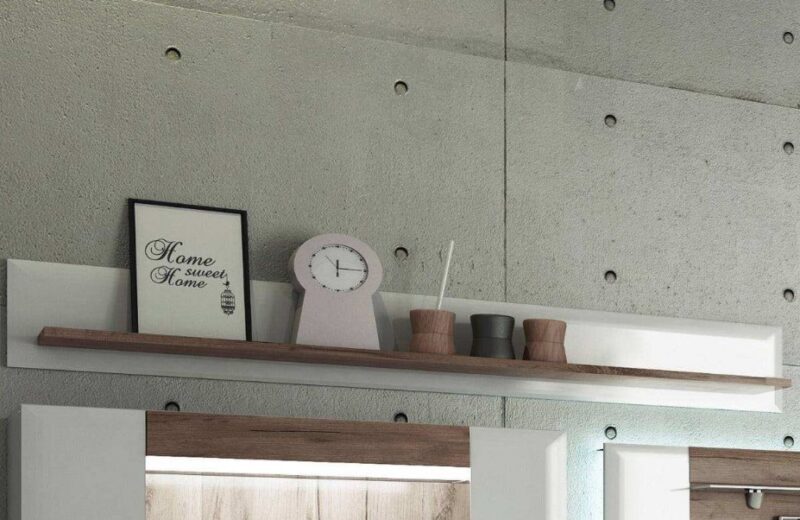
Instead of bulky cabinets that eat into your square footage, think vertical and multipurpose. Wall-mounted storage, for example, keeps the floor free for movement and instantly makes a room feel bigger.
For instance, bedroom shelves are an ideal solution. They allow you to display books, plants, or décor without crowding nightstands or dressers. By drawing the eye upward, they also make walls look taller and rooms feel airier.
Other ideas that combine practicality with design:
- Use under-bed drawers. Perfect for seasonal clothes or extra bedding, they keep essentials hidden but accessible.
- Opt for dual-purpose furniture. Ottomans that open, benches with storage, or nesting tables cut clutter without taking up more room.
- Think slim and tall. Narrow cabinets or vertical shelving units fit into corners or tight hallways that otherwise go unused.
These aren’t just space-savers—they shift the overall feel of a room from “overloaded” to “balanced.”
3. Furniture Scale and Placement
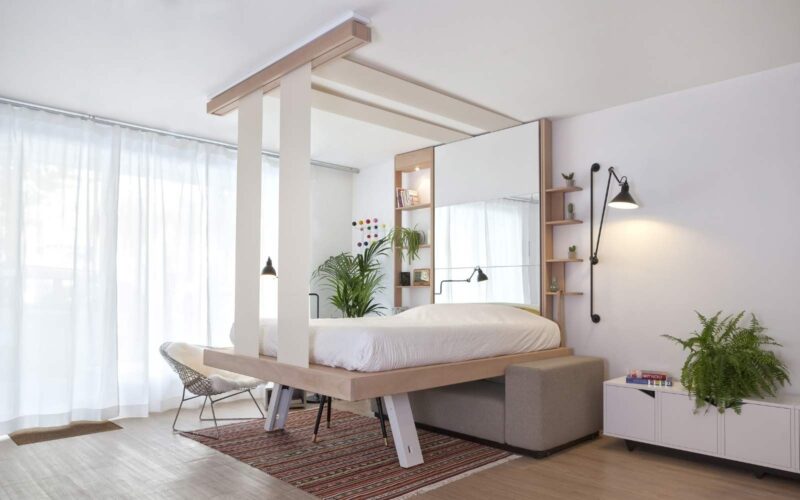
The size and placement of furniture often make or break a small home. A large sectional might feel luxurious in the showroom, but in a compact living room it quickly overwhelms everything else. Instead, choose pieces that match the scale of your space and give you flexibility.
The key is balance: the room should feel furnished, not filled. Pulling furniture just a few inches away from walls creates the illusion of breathing room, and multifunctional pieces reduce the number of items you need in the first place.
Some choices that expand space visually:
- Slim sofas with open legs let the floor show through, creating openness.
- Transparent tables and chairs (glass or acrylic) provide function without visually blocking space.
- Foldable or extendable tables adapt to different occasions instead of permanently taking up space.
Placement should guide movement too—arrange furniture so walkways feel clear and intuitive, rather than like an obstacle course.
4. Mirrors: Your Secret Weapon
When it comes to illusions, mirrors are unbeatable. They don’t just reflect your face—they reflect light, space, and movement. By strategically placing mirrors, you can instantly double the sense of depth in a room.
A single large mirror opposite a window can flood the space with natural light. Smaller mirrors grouped as wall décor create both character and openness. Mirrored wardrobe doors in a bedroom or reflective tiles in a kitchen are subtle ways to get the same effect without adding new furniture.
Think of mirrors as your room’s “second windows.” They cost less than renovations but deliver dramatic results.
5. Vertical Design and Layering
If you can’t expand outward, expand upward. Vertical design makes rooms feel taller and more dynamic, while layering creates visual richness without extra clutter.
This can mean tall bookshelves, floor-to-ceiling curtains, or simply hanging artwork higher than you normally would. Even striped wallpaper or wall panels can trick the eye into perceiving greater height.
Layering works best in moderation:
- Mix light and shadow. Use tall floor lamps alongside low accent lighting for depth.
- Layer rugs or textiles. A smaller rug over a larger neutral one adds coziness while keeping proportions balanced.
- Play with greenery. Hanging plants paired with floor pots lead the eye from top to bottom, filling the room without overcrowding it.
Together, verticality and layering create rooms that feel taller, fuller, and more intentional.
6. The Role of Texture and Minimalism
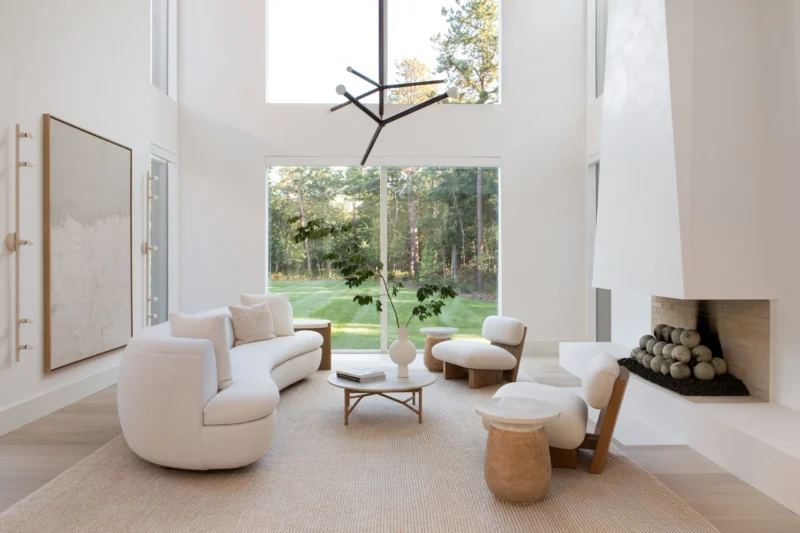
Minimalism often gets misinterpreted as “bare walls and empty rooms.” In reality, a well-designed small home thrives on curated minimalism—keeping only what adds value, but pairing it with textures that enrich the atmosphere.
For example, a simple sofa can be elevated with a mix of linen cushions, a wool throw, and a wooden coffee table. This layering of textures adds interest without extra objects.
A few principles to apply:
- Choose one or two standout textures per room to avoid visual clutter.
- Prioritize quality over quantity – better one statement lamp than five small trinkets.
- Keep surfaces clear but not sterile, balancing functionality with personality.
This approach prevents the space from feeling empty while still giving it air to breathe.
7. Flow and Layout: Creating Movement
Even the best décor loses impact if the home’s layout feels cramped. Small spaces need a sense of flow, where each step feels natural and unobstructed.
The rule of thumb: never block natural walkways. For instance, avoid placing a large coffee table in the middle of the main passage. Instead, use rugs and lighting to define areas without closing them off.
Practical examples include:
- Using a low divider or open shelving to separate a studio’s sleeping area from the living space.
- Orienting furniture toward natural light sources so the room feels inviting and connected.
- Allowing “negative space” – the empty areas that guide the eye and movement—to be just as important as filled areas.
A good layout doesn’t just look better, it feels better to live in.
8. Budget-Friendly Hacks That Work Wonders
Not every change requires a big spend. In fact, some of the most impactful design shifts are inexpensive, sometimes even free.
Here are budget-friendly upgrades worth trying:
- Declutter first. Removing what you don’t use is the cheapest way to make more space.
- Refresh lighting. Swap a single harsh ceiling light for layered warm lamps to create depth.
- Upcycle furniture. A coat of paint or new handles can transform an old cabinet into a fresh piece.
- Choose multipurpose pieces. Sofa beds, nesting tables, or wall-mounted desks cut down on extra items.
- Bring in greenery. Plants add vibrancy and break up solid lines without overwhelming the room.
Each of these changes delivers a noticeable improvement, proving you don’t need major renovations to live bigger in a small space.
Conclusion
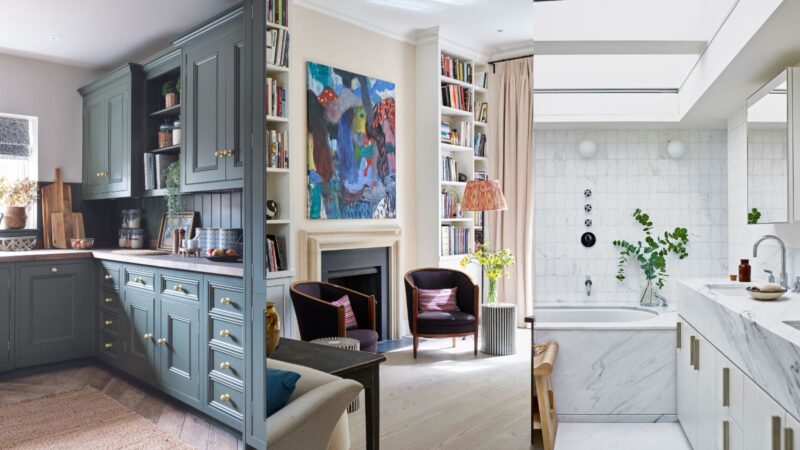
Making a small home feel bigger isn’t about square footage – it’s about perception and smart design. By focusing on light, color, clever storage, and thoughtful layouts, you can create a home that feels both spacious and inviting.
What’s most encouraging is that none of these ideas require massive budgets or complete makeovers. Instead, they rely on everyday choices – the paint you select, the furniture you keep, the storage you add – that build into a space that feels calm, open, and truly yours.