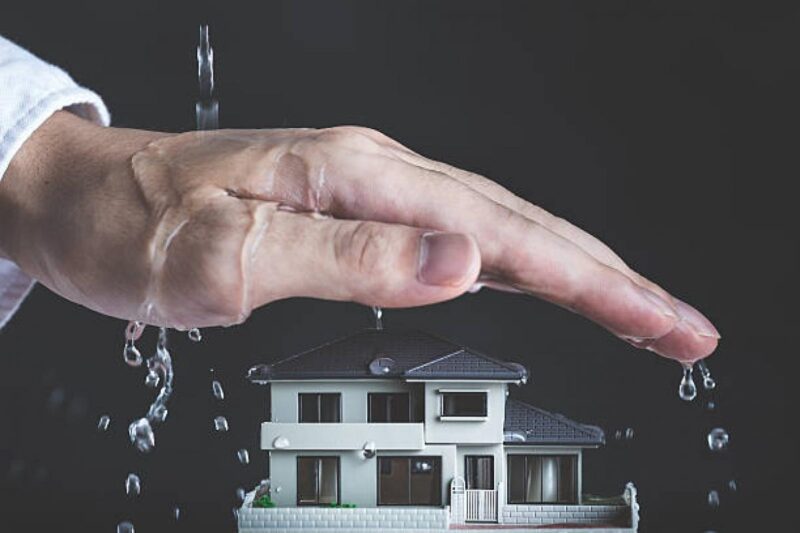
Water is essential to life, but inside the wrong parts of your home, it becomes one of the most destructive forces you’ll ever face. Unlike a sudden flood, long-term water damage is sneaky.
It creeps in through small leaks, clogged gutters, or unnoticed plumbing issues, and by the time you spot it, the damage is often widespread.
Protecting your home means learning to think ahead, catch problems early, and strengthen the areas most at risk.
Why Long-Term Water Damage Is More Dangerous Than You Think
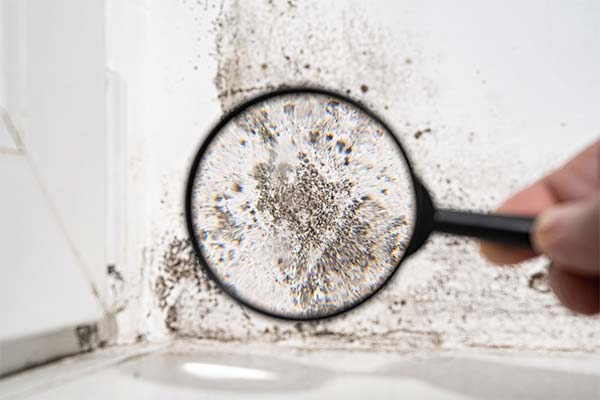
The slow kind of water damage is often overlooked because it doesn’t announce itself with dramatic flooding.
Instead, it works silently: damp insulation that never fully dries, a drip behind the wall, or condensation in a basement. Over the years, this leads to mold colonies, structural weakening, and major repair bills.
Consider this: repairing moldy drywall might cost a few hundred dollars, but if water infiltrates the foundation, repairs can reach tens of thousands.
Preventing water damage is really about protecting your investment and avoiding those nightmare scenarios where your home feels unsafe.
Strengthening Your Foundation Against Water
The foundation is the backbone of your home, and water is its greatest enemy. When water seeps into soil and presses against concrete walls, cracks start forming.
These cracks widen, floors shift, and doors stop closing properly.
This is why homeowners often turn to Professional Foundation Repair. Instead of temporary patchwork, experts examine the root cause — whether it’s poor drainage, shifting soil, or hydrostatic pressure — and stabilize the foundation for long-term durability.
Pairing this professional work with simple homeowner habits makes a big difference:
- Keep soil graded so it slopes away from the house.
- Extend downspouts at least six feet.
- Install drains in areas where water tends to collect.
Foundation protection is never a one-and-done task; it’s ongoing maintenance supported by expert solutions when problems go beyond surface-level.
Roofs, Gutters, and the Flow of Rainwater
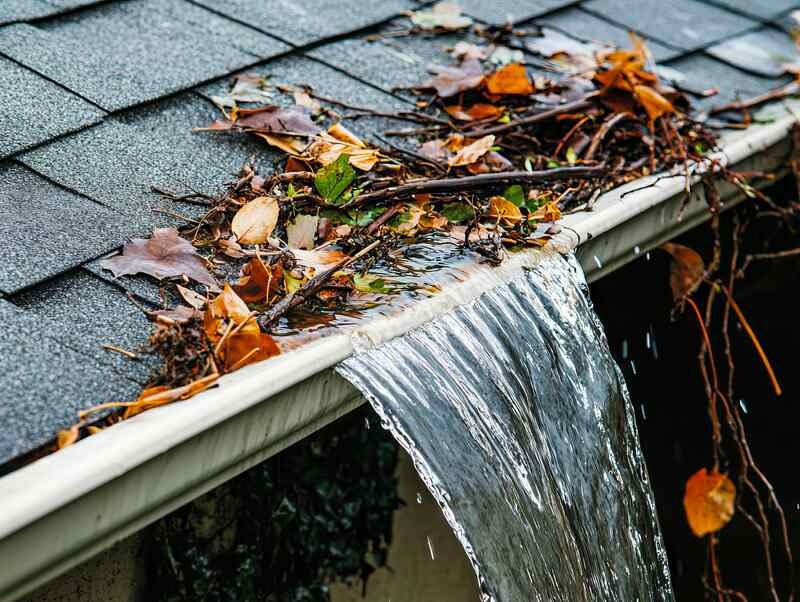
A house’s roof is like its umbrella. If it fails, everything beneath it is at risk. Cracked shingles, loose flashing, or clogged gutters allow rain to sneak in, damaging walls, ceilings, and insulation.
The real danger is that leaks often start small, giving water months to quietly rot wood before any stain shows up indoors.
To keep your roof working as it should:
- Inspect it at least twice a year.
- Replace damaged shingles promptly.
- Clean gutters regularly so water flows freely.
- Make sure downspouts send water far enough from your walls.
This combination of vigilance and upkeep ensures rainwater flows where it should — away from your home.
Humidity: The Silent Contributor to Damage
Not all water comes from storms or leaks. Sometimes the culprit is the air inside your home. High humidity creates condensation on windows, walls, and pipes, slowly soaking building materials. Basements and bathrooms are notorious for this because they lack ventilation.
The best defense is balance. Keep humidity between 30 and 50 percent. That might mean running exhaust fans, adding a dehumidifier, or insulating cold pipes that sweat in summer.
Even something as simple as checking for foggy windows can tip you off before mold starts spreading behind the walls.
Think of humidity control as insurance against invisible damage you won’t notice until it’s too late.
Plumbing and Appliances: Hidden Leak Hazards
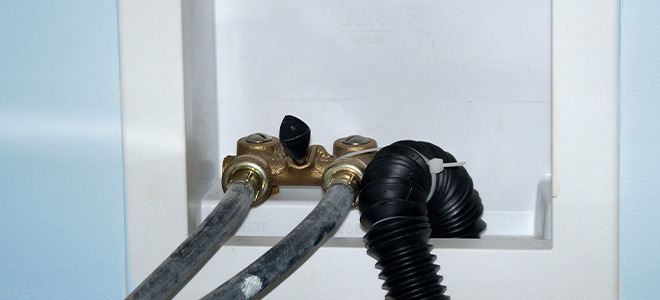
Some of the most expensive water damage repairs come not from storms, but from what’s already inside your house: plumbing and appliances.
A washing machine hose that bursts or a slow drip under a sink can release hundreds of gallons before you realize what’s happening.
To stay ahead of this:
- Check under sinks regularly for dampness.
- Replace washing machine hoses every five years.
- Inspect your water heater for corrosion annually.
- Install smart leak detectors near appliances for early alerts.
These small checks become habits that save you from major financial setbacks later on.
The Basement and Crawlspace Problem
Basements and crawlspaces are often forgotten — until the smell of mildew makes them impossible to ignore.
Moisture naturally gravitates downward, and these areas become damp, dark breeding grounds for mold and wood rot.
Solutions vary depending on your home’s setup:
- A sump pump keeps groundwater from pooling.
- Vapor barriers limit moisture inside crawlspaces.
- Sealants on concrete walls block seepage.
- Better grading outside helps redirect water flow.
Waterproofing isn’t glamorous, but it adds years of protection to your home’s lower levels and makes the entire space healthier.
Spotting Early Warning Signs Before It’s Too Late
One of the biggest advantages homeowners have is awareness. Long-term water damage gives subtle clues long before it turns into a crisis:
- Musty odors that don’t go away.
- Warped floors or soft spots in wood.
- Bubbling paint or stains on ceilings.
- A sudden jump in your water bill.
Responding early doesn’t just save money; it prevents small moisture issues from spreading into multiple rooms or undermining your home’s structure.
Pulling It All Together

Protecting your home from long-term water damage is not about a single quick fix. It’s a layered approach: proper drainage outdoors, humidity control indoors, appliance checks, and foundation care.
Every step builds on the next, creating a resilient barrier against one of the most costly and common household problems.
If you’ve already noticed cracks or persistent dampness, don’t wait. Contacting experts is one of the smartest ways to protect your home’s future. With the right preventative mindset, you can turn water from a silent threat into something fully under control.
Frequently Asked Questions
- Can long-term water damage affect my home’s resale value?
Yes. Persistent water damage, even if repaired, can leave behind structural weaknesses or visible signs that lower buyer confidence. Preventative maintenance protects both your home’s condition and its long-term market value.
- How often should I schedule a professional inspection for water damage risks?
Once a year is a good baseline, especially for roof and foundation checks. Homes in wetter climates or with older plumbing may benefit from more frequent inspections.
- Are there insurance policies that cover long-term water damage?
Most homeowners’ insurance policies cover sudden water damage (like a burst pipe), but gradual, long-term issues are usually excluded. Some insurers offer add-on coverage for seepage and mold — it’s worth checking your policy details.
- What materials in the home are most vulnerable to hidden moisture?
Drywall, insulation, and wood framing absorb water quickly and deteriorate silently. Flooring adhesives and carpet padding are also prime spots for hidden mold growth.
- Does landscaping really make a difference in water protection?
Absolutely. Proper grading, planting water-absorbing shrubs, and avoiding excess irrigation near the foundation all reduce water pressure against your home. Smart landscaping works hand in hand with other water damage prevention methods.