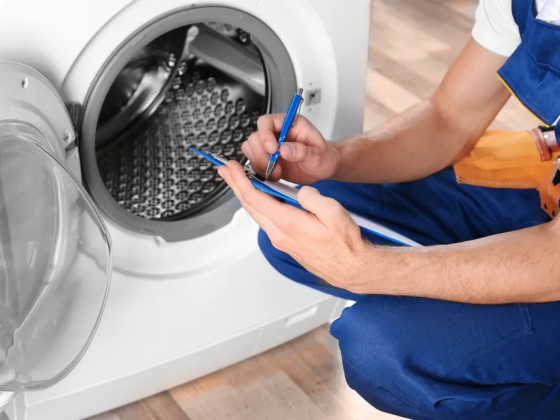
Walk down the cleaning aisle of any supermarket, and the shelves look reassuringly simple. Sprays for kitchens, bottles for bathrooms, wipes for everything else.
Step into a warehouse, factory, food processing plant, or transportation depot, and things change quickly. The dirt is heavier, the risks are higher, and the margin for error is slimmer. That’s where industrial-strength cleaning formulas come into play. Understanding the difference between consumer cleaners and industrial products is not only helpful but also essential for anyone responsible for maintaining professional spaces.
This article breaks down the fundamental distinctions, enabling decision-makers to choose the right tool for the job.
What Defines Consumer-Grade Cleaning Products

Consumer cleaners are for everyday use in homes and small offices. Their job is to handle light to moderate dirt without demanding specialist knowledge or equipment.
These products are typically pre-diluted or lightly concentrated. They are designed to be used straight from the bottle, often with minimal protective gear. Most consumer cleaners target common household issues such as grease on countertops, limescale in bathrooms, and surface bacteria.
Regulations for consumer products are strict, especially around toxicity and labelling. That keeps risk low but also limits how aggressive these formulas can be.
What Makes Industrial-Strength Formulas Different
Industrial cleaners are engineered for environments where standard products fail to meet expectations. These settings include factories, commercial kitchens, hospitals, transport hubs, and construction sites.
The most significant difference lies in concentration. Industrial formulas are often supplied as concentrates that must be diluted on site. This allows strength to be adjusted based on the task, from routine maintenance to deep cleaning after heavy use.
The chemistry is also more targeted. Instead of being general-purpose, industrial products are designed to break down specific contaminants, such as oils, carbon build-up, biological waste, or industrial dust.
To put it simply, industrial cleaning chemicals address problems that consumer products are not intended to handle.
Chemical Composition And Concentration Levels
Industrial formulas operate in a different range. Higher concentrations of active agents mean faster breakdown of stubborn contaminants. Alkaline cleaners cut through heavy grease. Acidic formulas remove mineral deposits and rust. Enzymatic cleaners tackle organic waste at a molecular level.
Due to potency, industrial products are rarely ready-to-use. They require measured dilution and correct handling. Used correctly, they’re efficient and cost-effective. Used carelessly, they can cause severe damage or injury.
Effectiveness In Real-World Conditions
In a domestic setting, dirt accumulates gradually over time. A weekly clean usually keeps things under control. Consumer products are ideally suited to that rhythm.
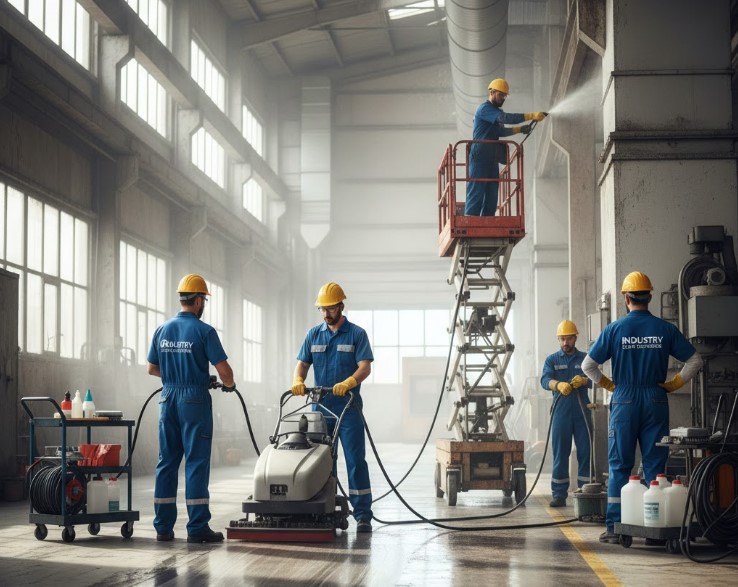
Industrial environments are more demanding. Machinery runs hot, oils aerosolise, foot traffic grinds debris into surfaces, and hygiene standards are often non-negotiable. In these conditions, weaker formulas spread dirt around instead of removing it.
Industrial-strength cleaners are tested against these realities. They are expected to perform consistently across large surface areas, under time pressure, and often in challenging temperatures or humidity levels.
The result is not just a cleaner surface, but reduced downtime, improved safety, and longer equipment life.
Safety And Handling Considerations
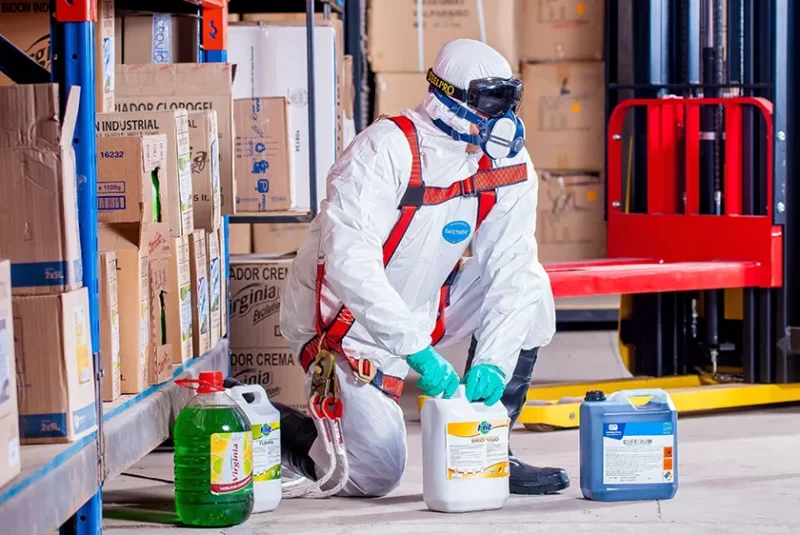
One of the most common misconceptions is that industrial cleaners are inherently unsafe. The truth is more nuanced. Consumer products prioritise passive safety. They assume little training and frequent exposure. That is why the formulas are milder, and the packaging is designed to prevent misuse.
Industrial products assume competence. Safety is achieved through training, clear procedures, and the use of proper protective equipment. When used as directed, these products are no more dangerous than any other professional tool.
The difference is accountability. In professional settings, staff are trained to understand dilution ratios, contact times, ventilation needs, and disposal rules. That knowledge is part of the job, not an optional extra.
Cost Implications And Value Over Time
At first glance, consumer cleaners appear to be cheaper. A bottle costs less, and there is no need for dosing equipment or training. Over time, the maths often flips. Industrial concentrates may cost more upfront, but they deliver far more usable product per litre. When diluted correctly, the cost per clean is typically lower than that of off-the-shelf consumer sprays.
There’s also the cost-effectiveness to consider. If a weaker product requires repeated applications or longer cleaning times, labour costs rise. In commercial environments, time is money, and inefficiency quickly adds up.
Making The Right Choice

The gap between consumer cleaners and industrial-strength formulas is not marketing spin. It is a response to fundamentally different demands.
Consumer products are about convenience, safety, and simplicity. Industrial products are primarily focused on performance, efficiency, and control. Neither is better in absolute terms, but each excels in its intended environment.
For businesses, facilities managers, and operations teams, understanding this distinction prevents wasted spend, poor results, and unnecessary risk.