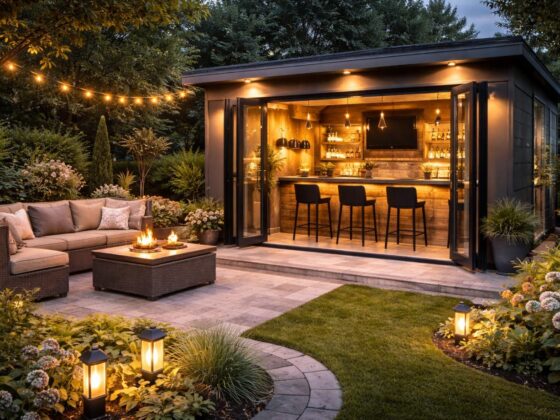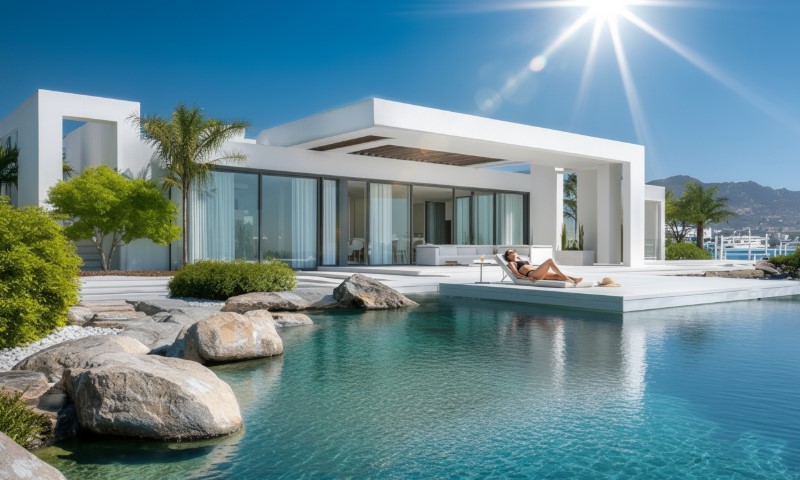
Minimalist architecture has become a defining influence in luxury real estate, particularly in premium urban residences, custom estates, and high-end coastal properties.
Its defining characteristics include clean geometries, open-plan interiors, limited ornamentation, and highly intentional design decisions.
Minimalist homes are often valued for creating environments of calm, visual order, and spatial clarity, which contrasts sharply with the sensory overload associated with dense urban living and digitally saturated lifestyles.
In this context, luxury is increasingly expressed through two qualities:
- Restraint
- Precision
To understand why minimalist architecture is increasingly positioned as the future of luxury real estate, it is necessary to examine the design principles that support that claim.
Design Principles That Elevate Minimalist Luxury
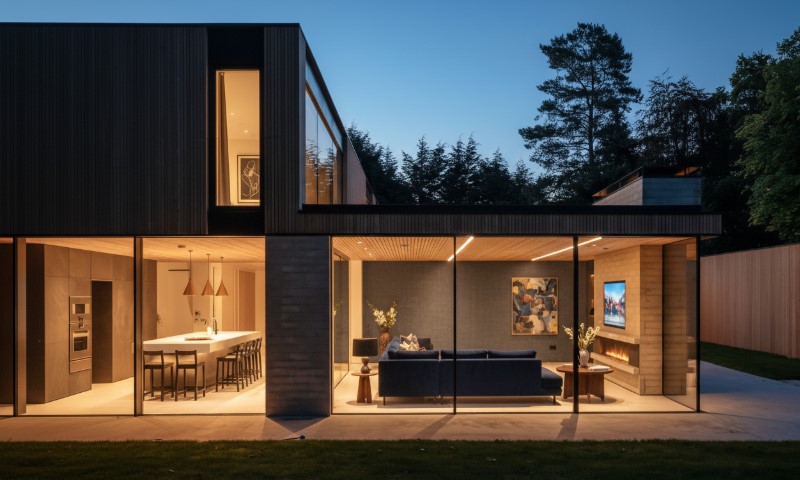
Minimalist luxury can be understood through three primary design standards:
- Intention
- Precision
- Control
Every design decision must serve a clear purpose, contributing to an environment that feels refined without appearing excessive or performative.
Measured restraint allows space, natural light, and material quality to take precedence, creating an atmosphere that feels quiet, deliberate, and architecturally confident.
Precision and Attention to Detail
In minimalist luxury, every joint, finish, reveal, and fixture functions as an integral part of the architectural composition.
Subtle alignments, disciplined proportions, and visually clean transitions create continuity that appears effortless, even though it requires rigorous planning and execution.
Attention is often directed toward details that are easy to overlook but critical to the final effect, such as:
- seamless transitions between walls and floors
- flush-mounted lighting, vents, and electrical components
- concealed hinges, recessed handles, and hidden storage hardware
For example, a luxury minimalist kitchen may use handleless millwork, integrated appliances, and stone slabs with minimal visible seams to preserve visual continuity.
These small decisions accumulate into a coherent spatial language. Nothing appears arbitrary, and no single element competes unnecessarily for attention.
High-End Materials and Material Honesty
View this post on Instagram
Natural materials such as stone, wood, glass, and concrete are typically presented in ways that emphasize their inherent properties rather than conceal them with decorative treatment.
This approach can be seen in projects by firms such as Elythera Homes, where surface quality and material integrity are central to the visual identity of the home.
Grain, veining, texture, and slight irregularities are treated as evidence of authenticity.
Material honesty communicates confidence in construction quality and specification standards.
In practical terms, a honed limestone floor, white oak wall paneling, exposed concrete, or low-iron glass can convey value through tactile depth and visual restraint rather than surface ornament.
This is an important distinction: luxury here is expressed through substance, craftsmanship, and durability, not through decorative excess.
Open Space and Spatial Efficiency
Open layouts reduce unnecessary barriers and allow circulation to feel natural, legible, and uninterrupted.
Spatial efficiency becomes visible through intentional planning strategies such as:
- Multi-functional zones that adapt to different uses
- Built-in storage that reduces visible clutter
- Minimal partitions that preserve openness
For example, a single great room may combine kitchen, dining, and living functions while still using lighting, millwork, or ceiling changes to define separate zones.
When unnecessary elements are removed, volume becomes more perceptible.
As a result, space feels expansive, controlled, and highly functional, offering both freedom of movement and a sense of privacy within a simplified architectural framework.
Natural Light as a Luxury Element
Minimalist architecture often prioritizes daylight as a primary design material rather than a secondary benefit.
Large-format windows, sliding glass walls, clerestory openings, and carefully oriented glazing allow natural light to define atmosphere and spatial rhythm throughout the day.
Light interacts with surfaces in ways that heighten the architectural experience, including:
- soft shadow lines that create depth without visual clutter
- reflections on glass, metal, and polished stone that extend the perception of space
- gradual shifts in brightness and tone that influence comfort, mood, and spatial character
For instance, east-facing glazing may introduce gentle morning light into a bedroom, while recessed overhangs can filter stronger afternoon sun in living areas.
In this sense, natural light becomes a measurable component of luxury because it affects how a home feels, performs, and changes over time.
Alignment with Modern Buyer Preferences
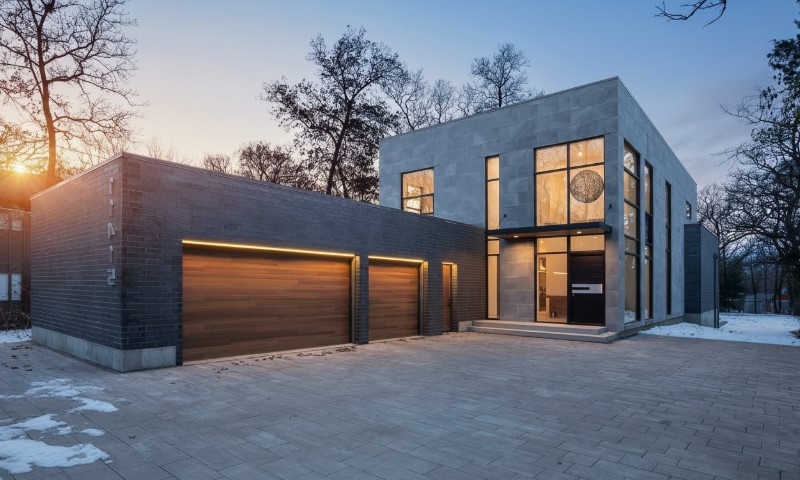
Changes in lifestyle priorities have materially reshaped expectations in luxury real estate.
Many buyers now prioritize environments that support clarity, efficiency, wellness, and long-term livability rather than purely symbolic displays of wealth.
Minimalist architecture aligns with these preferences by offering spaces that respond to both practical requirements and emotional expectations.
Homes as Emotional Sanctuaries
Minimalist environments often create a sense of calm through order, simplicity, and reduced visual friction. This can support concentration, rest, and a lower-stress domestic atmosphere.
Key qualities that contribute to this sense of sanctuary include:
- limited visual clutter, which can reduce cognitive overload
- neutral or restrained palettes that promote a calmer atmosphere
- open, proportionate layouts that avoid feelings of compression or confinement
For example, a bedroom with concealed storage, soft natural materials, and controlled lighting can feel restorative without relying on excessive decoration.
The home becomes less of a display object and more of a space for recovery, privacy, and emotional regulation.
That said, this idea can remain somewhat unclear unless it is defined carefully: not every minimalist home feels calming, and poor acoustics, cold materials, or under-furnished rooms can produce sterility rather than comfort.
Functionality Over Decoration
In minimalist design, planning begins with patterns of living, movement, and use. Every element should be justified by performance, spatial logic, or experiential value.
Visual simplicity is achieved by refining them until only necessary and well-executed elements remain.
Spaces are organized to support daily routines in an intuitive and efficient way. Circulation paths remain clear, movement feels unobstructed, and storage is integrated into the architecture so that surfaces remain visually open.
Materials are often selected for durability, maintenance performance, and long-term visual stability. Kitchens, living spaces, and private rooms are expected to function smoothly while maintaining a high level of comfort and visual discipline.
Attention is also given to adaptability over time.
Rooms are typically designed with enough flexibility to accommodate changing family structures, work habits, or lifestyle needs rather than being over-programmed for a single function. A guest room, for example, may also operate as a home office or reading room.
This is where minimalist functionality is sometimes described too vaguely in marketing language: the concept only becomes convincing when flexibility, storage capacity, circulation, and maintenance are addressed in concrete terms.
Intentional Living and Lifestyle Shift
The emphasis shifts away from accumulation and toward selectivity, clarity, and purpose. Minimalism encourages a more deliberate relationship to space, objects, and daily routines.
Objects are not removed arbitrarily; ideally, only those that are useful, meaningful, or materially valuable are retained.
This shift becomes visible in how rooms are furnished and used. Decluttering removes nonessential items, making interiors feel calmer and more legible. Preferences often move toward fewer but higher-quality furnishings that combine longevity, comfort, and function.
Mindfulness is frequently associated with this lifestyle shift. Open layouts, natural light, acoustic quiet, and reduced distraction can support focus, rest, and reflection.
As a result, daily life may feel more intentional because fewer competing elements demand attention.
Sustainability and Environmental Responsibility
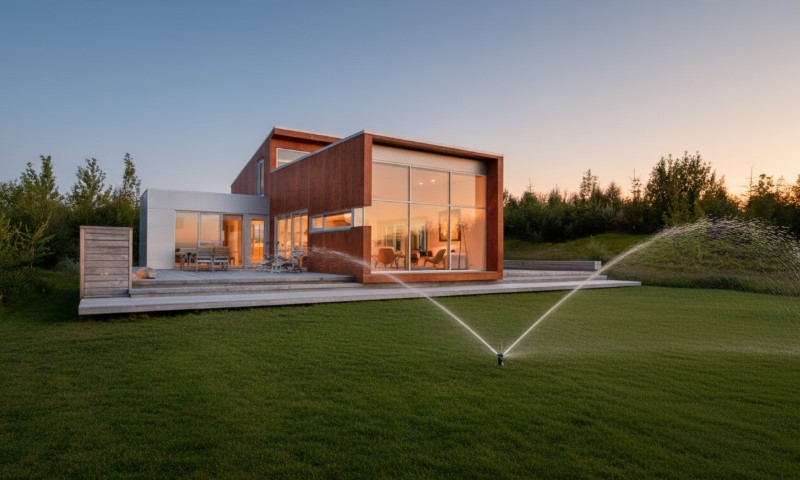
Reduced consumption and disciplined design can also lower environmental impact, although that outcome depends on execution, material sourcing, and building performance rather than aesthetics alone.
Efficiency is embedded into the structure of the home, influencing:
- how it is built
- how it performs
- how long it remains viable and desirable over time
Excess is reduced at multiple stages, which can lead to more efficient material use, lower waste, and more responsible construction decisions.
Material specification plays a critical role in this process. Durable materials are selected for lifespan, repair potential, and reduced replacement cycles.
Fewer replacements can mean less waste and lower long-term environmental cost.
Design decisions may also improve energy performance through solar orientation, insulation strategy, glazing selection, and natural ventilation.
Daylight can reduce reliance on artificial lighting, while open layouts and cross-ventilation can improve airflow and thermal comfort.
FAQs
Summary
Minimalist architecture is shaping the future of luxury real estate by combining formal simplicity with technical sophistication, functional performance with aesthetic restraint, and sustainability goals with exclusivity.
In this model, space, light, proportion, and material integrity replace decorative excess as primary indicators of value.
Luxury becomes less about display and more about spatial quality, usability, calm, and precision.