Most apartment owners never expect to feel overwhelmed by a property they once managed easily.
At the beginning, the building feels manageable. The owner knows every tenant by name. Maintenance requests come directly to their phone. Leasing decisions happen at the kitchen table.
Then the property grows in value. Expenses rise. Regulations increase. Vendors multiply. Staff expands. Financing becomes more sophisticated. Suddenly, the building operates less like a side business and more like a midsize company.
That is the moment many owners quietly realize something important: the property outgrew them.
This happens more often than people think.
Success Creates Complexity

Multifamily ownership rewards long holding periods. Rents rise. Appreciation compounds. Debt shrinks. A building purchased twenty years ago may now be worth several times its original value.
The problem is that operational demands usually scale alongside that success.
A 40-unit property can often run informally. A 300-unit property cannot.
One longtime owner described the shift during a panel discussion.
“When I bought the building, I handled maintenance calls myself,” he said. “At some point, I realized I was approving landscaping contracts, dealing with insurance renewals, reviewing payroll, and negotiating vendor disputes every week. The property became a real company.”
That transition catches many owners off guard.
Operations Became Much More Demanding

Running apartments today requires far more coordination than it did fifteen years ago.
Insurance costs increased sharply across many markets. Vendor pricing became less predictable. Tenant expectations changed. Compliance requirements expanded.
According to the National Apartment Association, operating expenses for multifamily properties increased more than 26% nationally between 2021 and 2023. Insurance premiums and payroll costs accounted for much of the increase.
At the same time, renters expect better amenities, faster maintenance response, and cleaner common spaces.
Owners now compete against institutional operators with dedicated leasing teams, maintenance systems, and large operating budgets.
A private owner managing properties manually can start to feel outmatched quickly.
The Property Stops Feeling Passive
Many owners originally entered multifamily investing because they wanted stable income and long-term wealth creation.
What they eventually discover is that large apartment assets are rarely passive.
Aging buildings increase the workload further.
Roofs fail. HVAC systems age out. Parking lots crack. Plumbing repairs appear at the worst possible moments.
These issues rarely arrive one at a time.
One investor described receiving three major repair estimates within the same month.
“The elevator needed work, two boilers failed, and insurance jumped almost forty percent at renewal,” he said. “I remember staring at the numbers thinking this property suddenly feels like a full-time emergency.”
The building itself had not failed. The operational burden simply reached a different level.
Staffing Becomes a Different Challenge
People often underestimate how much multifamily ownership becomes a staffing business over time.
Larger properties require leasing teams, maintenance technicians, vendors, bookkeepers, and property managers. Coordinating those people takes time and energy.
Turnover creates additional pressure.
A maintenance supervisor leaving unexpectedly can disrupt operations immediately. Replacing experienced staff has become harder in many markets after recent labor shortages.
According to the Bureau of Labor Statistics, labor costs in property operations and maintenance rose steadily across the real estate sector over the last several years, increasing pressure on private owners.
Institutional operators often absorb these challenges more efficiently because they spread staffing across multiple properties.
Private owners who carry the full burden themselves often reach a breaking point sooner.
Emotional Attachment Delays Decisions
Many owners continue operating properties long after the workload becomes exhausting.
The reason is rarely financial alone.
Apartment buildings often carry emotional significance. The property may represent decades of work, family sacrifice, or personal identity.
One owner explained it this way.
“I knew I was burned out,” he said. “But selling the building felt like giving away part of my life.”
That emotional attachment keeps many owners stuck between two uncomfortable choices: continue managing a growing operational burden or sell the property entirely.
Neither option feels ideal.
Scale Changed the Industry
The multifamily industry looks very different today than it did twenty years ago.
Large institutional operators expanded aggressively. According to NMHC data, institutional ownership of multifamily housing continues to increase across major markets, particularly in Class A and large workforce housing assets.
Scale now drives operational advantages.
Large operators negotiate better insurance pricing. They centralize maintenance systems. They spread staffing costs across thousands of units. They implement revenue management systems and large-scale renovation programs.
Private owners often compete against organizations built specifically for operational efficiency.
That shift changed the experience of ownership.
In one industry discussion about operational fatigue among long-term owners, the name Ben Roper came up while participants discussed how many apartment owners eventually realize they no longer want to operate at an institutional scale themselves.
That observation reflects a growing reality across the market.
Owners Start Looking for Relief
Once operational complexity becomes overwhelming, owners usually start exploring alternatives.
Professional third-party management often becomes the first step. This removes daily responsibilities while preserving ownership.
Some owners bring in operating partners who handle execution and staffing.
Others pursue recapitalizations or structured ownership transitions that reduce operational involvement entirely.
The common theme is simple. Owners want to preserve the value they created without carrying the full operational burden forever.
One multifamily investor explained the shift after hiring professional management.
“For the first time in years, I stopped waking up worried about maintenance reports,” he said. “The building still performs. I just don’t personally carry every problem anymore.”
That operational relief matters more than many owners expect.
The Property Is Not the Problem
Many owners initially assume operational stress means the property itself failed.
That is usually incorrect.
The building may still perform extremely well financially. Occupancy may remain strong. Cash flow may continue growing.
The issue is that the owner’s lifestyle, priorities, and tolerance for complexity changed over time.
A property that once fit perfectly may no longer align with the owner’s goals.
That distinction matters because it changes the conversation from “What went wrong?” to “What structure makes sense now?”
Questions Owners Should Ask
Owners facing operational fatigue should evaluate several questions honestly.
How much time does the property consume each week?
Would professional management improve quality of life?
How dependent is the property on one person making every decision?
What major capital projects are approaching?
Would ownership feel different without operational responsibility?
These questions help owners separate emotional attachment from practical reality.
Success Sometimes Changes the Job
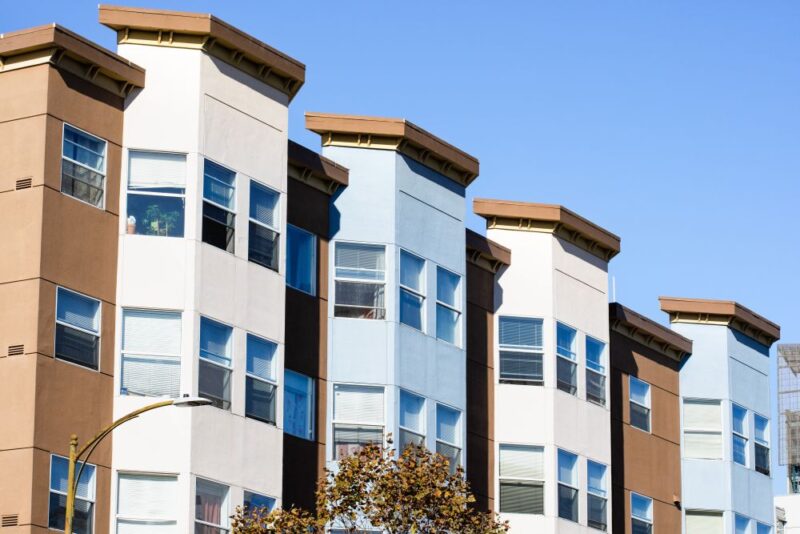
The strange thing about multifamily ownership is that success often changes the nature of the business itself.
The property that created wealth may eventually demand more operational sophistication than the owner ever intended to manage personally.
That transition does not mean the owner failed.
In many cases, it means the property succeeded beyond its original scale.
The smartest owners recognize this shift early. They adapt before operational fatigue turns into frustration.
The building keeps performing. The owner regains flexibility.
That balance usually creates better long-term outcomes for both.