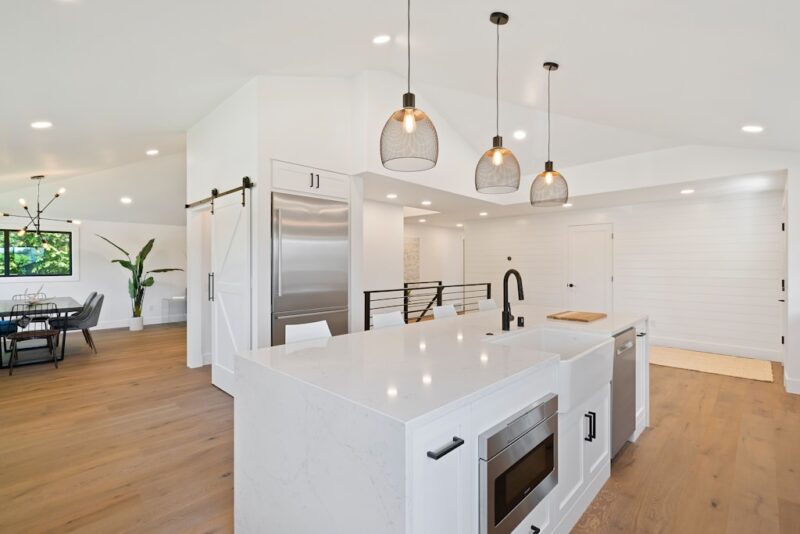
Whether you’re refreshing a single room or planning a full renovation, these are the upgrades that make the biggest difference – to your comfort, your style, and your home’s value.
There’s a moment every homeowner knows: you walk through the front door, look around, and feel the quiet weight of everything you’ve been meaning to do. A kitchen that’s never quite right. Rooms that feel dark no matter the season. That draught you’ve learned to ignore. The good news? Transforming your home doesn’t have to mean a full-scale renovation or a lottery win. With the right priorities, even modest investment can make an extraordinary difference.
Here’s a room-by-room guide to the upgrades worth making in 2026 – and how to approach them with intention rather than impulse.
Start with the bones – fabric upgrades first
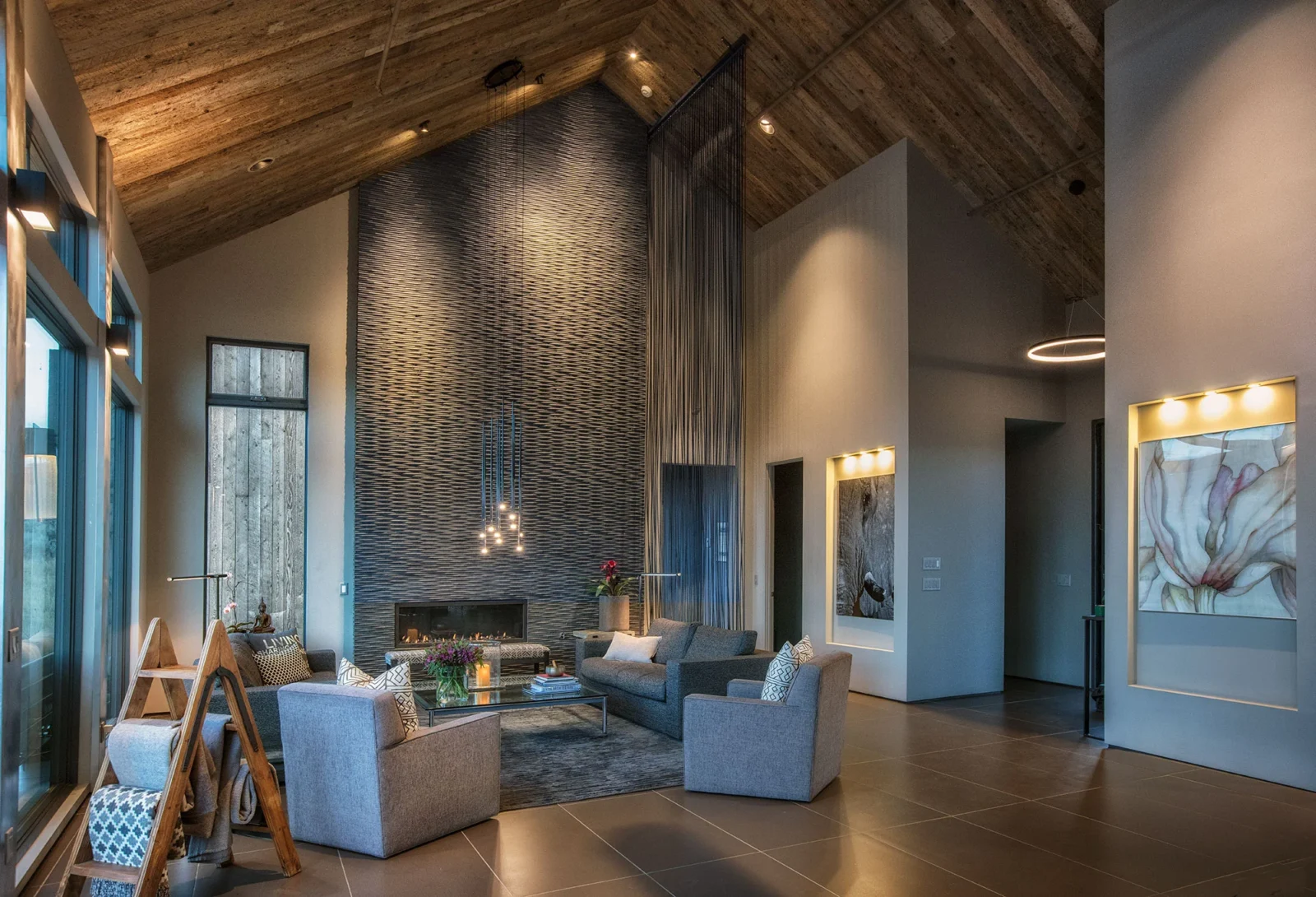
Before thinking about paint colours or new furniture, the most impactful improvements are almost always structural. Insulation, glazing, doors, and flooring form the invisible foundation of a comfortable home – and fixing them first makes everything else perform better.
Windows are the single biggest opportunity for most UK homes. Older or poorly sealed windows account for up to a quarter of all heat loss, and the difference between living with single glazing or failed double-glazed units versus modern A-rated glass is profound – quieter rooms, more even temperatures, and meaningfully lower heating bills. If your windows are more than 15–20 years old, showing condensation between the panes, or letting in a noticeable draught, it’s time to act.
| ON WINDOWS
Specialist suppliers like Amazon Windows offer a wide range of energy-efficient double and triple glazing options across uPVC, aluminium, and timber frames – with installation that meets current UK building regulations. Getting a quote is a smart first step before budgeting any wider renovation. |
Doors deserve equal attention. A draughty or ageing front door undermines both your heating system and your home’s first impression. Modern composite doors combine the warmth of timber aesthetics with the low maintenance of uPVC and multi-point security locking as standard – a genuine upgrade on almost every front.
Room by room – where to focus your energy
| Kitchen | Highest ROI room. New worktops and cabinet fronts can transform without a full refit. |
| Bathroom | Buyers pay close attention. Regrouting, new fixtures, and better lighting go a long way. |
| Living room | Flooring, lighting, and glazing upgrades deliver comfort and style simultaneously. |
| Bedroom | Built-in storage and acoustic glazing are the upgrades sleepers consistently rate highest. |
The kitchen – the room that does the most work
A full kitchen replacement is expensive and disruptive – but it’s rarely necessary. In most homes, the layout and the carcasses (the structural boxes behind the doors) are perfectly sound. Replacing cabinet fronts and handles, installing a new worktop, and upgrading the splashback can deliver 80% of the visual impact for 20% of the cost of a full refit.
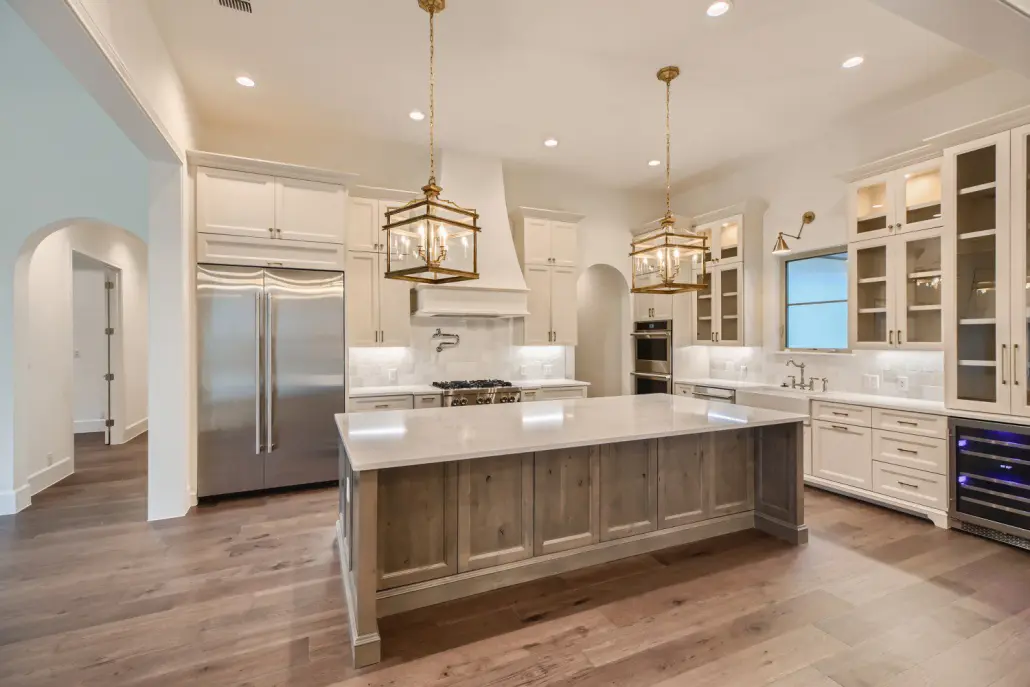
Lighting is often underestimated in kitchens. Swapping a single central ceiling fitting for a combination of under-cabinet task lighting and recessed spotlights immediately changes how the room feels – and how well it functions. Add a statement pendant over an island or dining area and the transformation is complete.
Bathrooms – less is more
Bathroom trends have thankfully moved away from the maximalist tiling palettes of the early 2000s. The direction now is calm, considered, and durable: large-format tiles in neutral tones, freestanding or semi-recessed basins, and walk-in showers with frameless screens. If budget is limited, start with the things that age fastest: regrouting tiles, replacing taps and shower fittings, and improving ventilation to tackle condensation and damp.
“The homes that age best aren’t the ones chasing trends – they’re the ones built on quality materials and good light.”
Light – the renovation you’re probably not thinking about
No amount of paint or furniture can compensate for a poorly lit home. Natural light is the most valuable asset a property can have, and for most UK homes – built before modern glazing standards – there’s significant untapped potential.
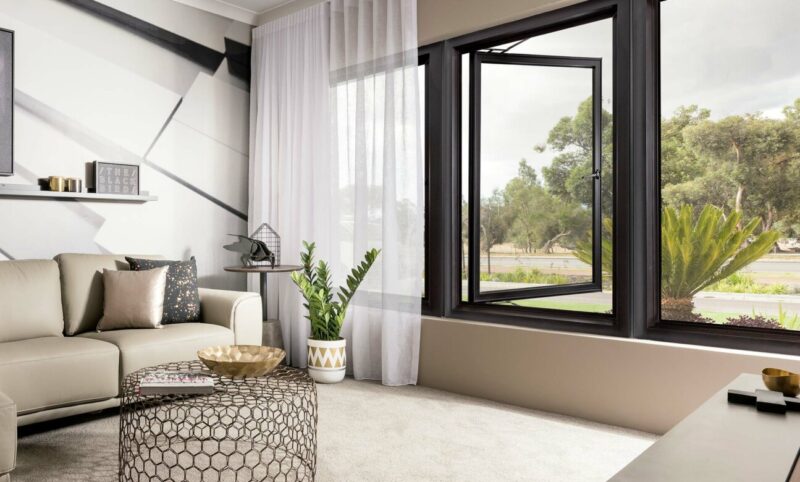
Enlarging window openings, adding a roof lantern over a kitchen extension, or installing bifold or sliding doors to open up a rear living space to the garden can transform the atmosphere of a home more profoundly than almost any other intervention. These are bigger projects, but the payoff in daily quality of life – and in resale value – is substantial.
For rooms where structural changes aren’t feasible, the answer lies in layered artificial lighting: ambient, task, and accent working together rather than a single overhead source doing all the heavy lifting.
Outside in – don’t neglect kerb appeal
The exterior of a home sets expectations before anyone steps inside. Peeling paintwork, tired fascias, or windows that are visibly past their best all signal deferred maintenance to buyers and visitors alike. In contrast, a freshly painted front door, clean modern windows, and well-maintained render or brickwork signal a home that’s been cared for – and that tends to translate directly into value.
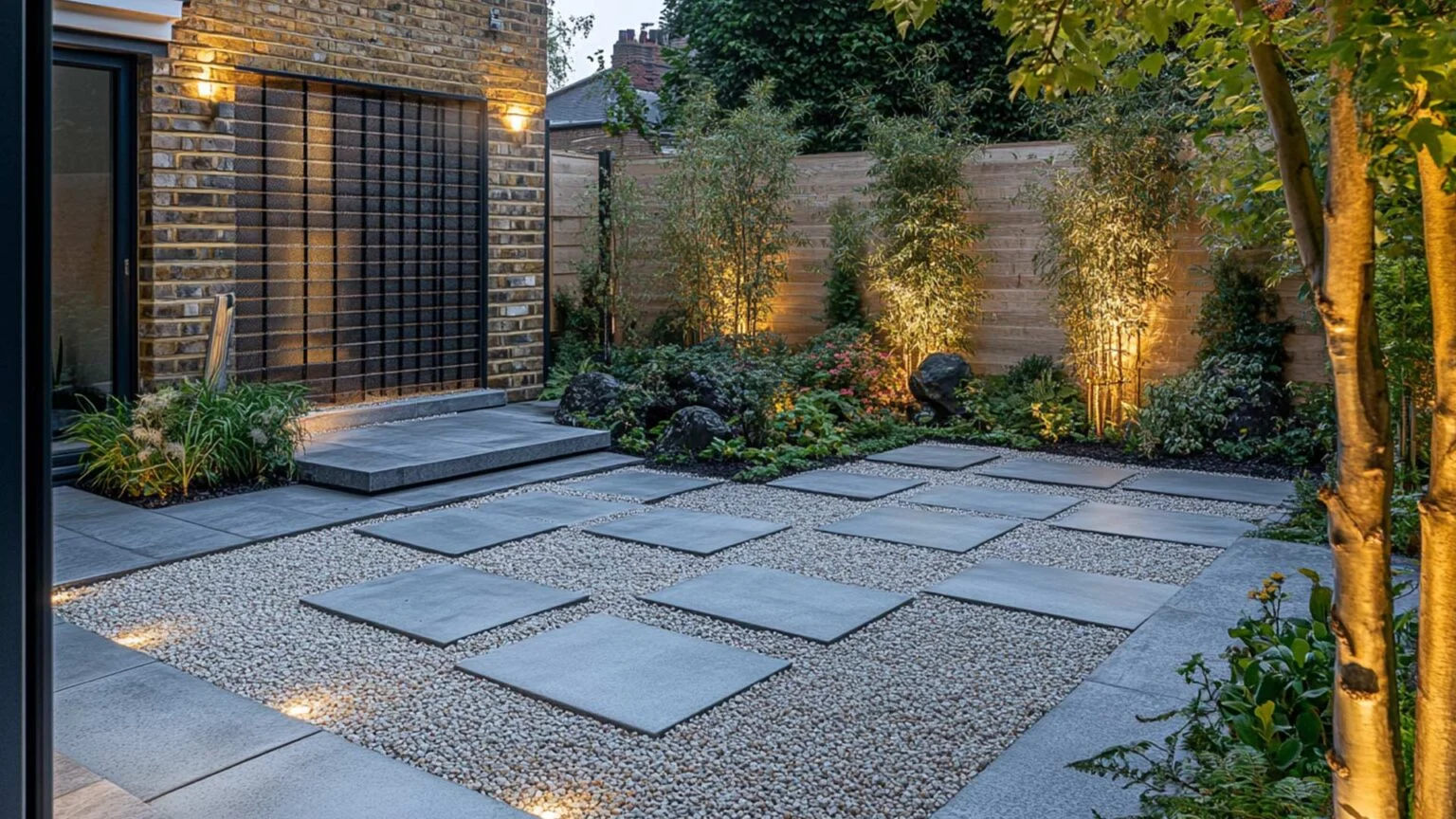
Garden improvements are among the best-value investments for homes with outdoor space. A simple patio, defined planting borders, and good outdoor lighting can make a garden feel like a genuine extra room rather than a patch of lawn you occasionally mow.
Budgeting with your eyes open
One of the most common mistakes homeowners make is under-budgeting – starting a project only to run out of funds before it’s finished. A useful rule of thumb: whatever you think a project will cost, add 20% as a contingency. Building work almost always reveals something unexpected once walls come down or floors come up.
| Typical UK project costs (2026) | Estimated cost |
|---|---|
| New double-glazed windows (per window) | £400 – £900 |
| Composite front door, supplied & fitted | £900 – £1,800 |
| Kitchen cabinet fronts & worktop replacement | £1,500 – £5,000 |
| Bathroom refresh (fittings, tiling, lighting) | £2,000 – £6,000 |
| Bifold/sliding garden doors, installed | £2,500 – £7,000 |
| Whole-house rewire (lighting upgrade) | £3,000 – £8,000 |
Finding the right tradespeople
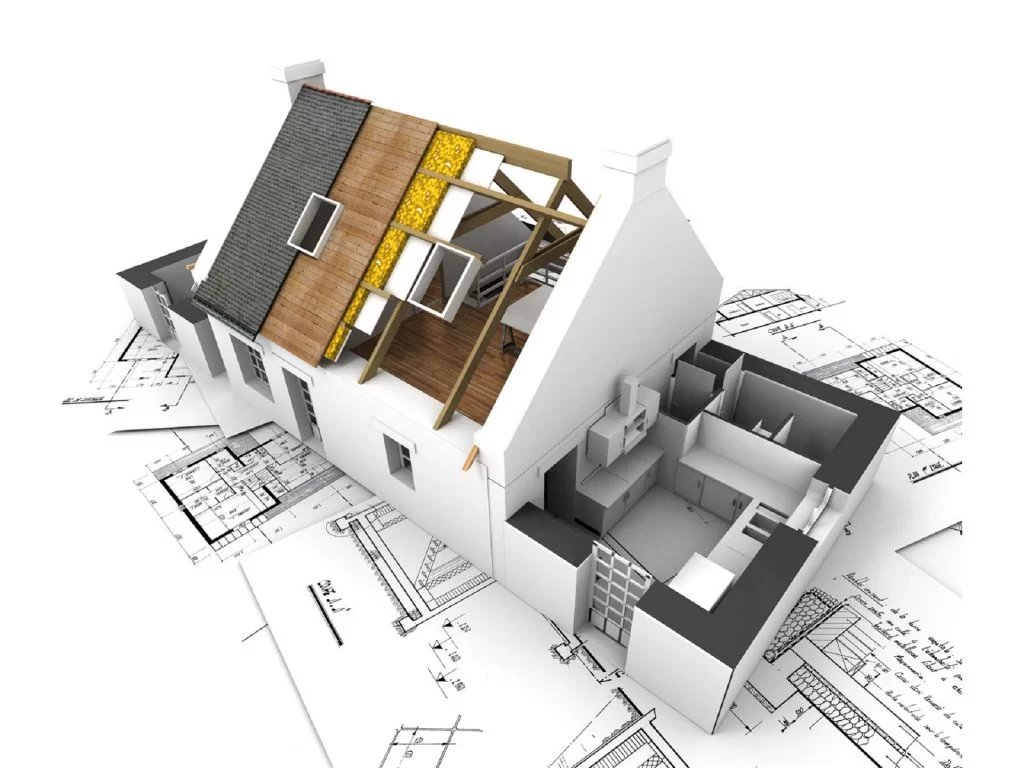
A project is only as good as the people who execute it. For any structural or regulated work – including window replacements, which must comply with building regulations – always use registered tradespeople. For glazing, look for FENSA or Certass-registered installers; for electrical work, Part P-registered electricians; for gas work, Gas Safe registered engineers.
Get a minimum of three quotes for any significant project, and don’t automatically choose the cheapest. Ask to see examples of recent work, check reviews independently, and make sure any contract clearly specifies the scope, materials, timeline, and payment schedule before work begins.
- Verify trade registrations (FENSA, Gas Safe, NICEIC) before instructing anyone
- Get everything in writing – scope, materials, start date, payment terms
- Never pay more than 30% upfront for any project
- Check whether planning permission or building regulations approval is needed
- Keep a project file with all receipts, certificates, and warranties
The long view
The most inspired homes aren’t built in a single renovation- they evolve thoughtfully over time, with each improvement considered in the context of the whole. Start with the fundamentals: fabric, light, and warmth. Build from there. The result is a home that not only looks better, but genuinely feels better to live in – day after day, season after season.