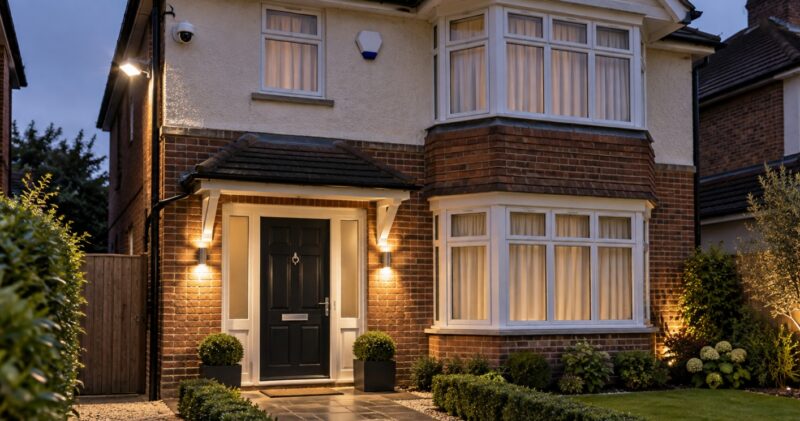
Vacant properties require different insurance cover because of the nature of the house’s occupation. Regardless of whether you are traveling, renovating your property, or waiting for a new occupier, it is important to note that there are some things to consider regarding your vacant property. Standard home insurance policies have limitations on how long a property can be considered vacant. This guide to unoccupied insurance highlights everything about unoccupied property insurance.
Why Does an Empty Property Need Special Insurance?

There could be varying hazards associated with an unoccupied house compared to one that has residents in it. The small problems could go unnoticed, and it might take time before any damages are realised.
Most conventional home insurance policies have clauses that pertain to the time period during which a property can be vacant. This varies from one insurance company to another. You should always verify whether your current policy will still serve your purpose.
Unoccupied home insurance covers properties that are unoccupied and takes into account all the aspects of such a property. The amount of coverage you receive is determined by the policy and its terms.
What Should You Consider Before Insuring an Empty House?
● How Long Will the Property Remain Vacant?
The first step is to establish how long your property will remain unoccupied. In your situation, you may have several months out, remodeling plans, or be selling your property.
Short-term unoccupied property insurance in the UK may be useful if you require insurance for a set period of time. There are different lengths and renewability options available.
● What Level of Cover Do You Need?
The extent of the protection that is covered can vary. Building cover normally applies to the building itself, while contents cover is related to eligible items held within.
Think about what the home holds in terms of furniture, equipment, or any other items. Exclusions, excesses, and the situations under which a claim can be made need to be considered.
How Can You Manage an Unoccupied Property?
● Arrange Regular Checks
A trustworthy individual or property manager could be allowed access to the premises occasionally. This could aid in spotting any maintenance needs or damage to the structure.
Keep a record of visits, if such a requirement is made in the policy, and adhere to the conditions stated in your insurance documents.
● Protect the Property During Vacant Periods
Basic maintenance will help take care of the empty home. Make sure that entryways are secure, get any necessary repairs done, and also think about how the weather might impact the building.
Building insurance for an empty home being renovated could be applicable for people doing renovations on their homes. However, the renovations and any risks must be honestly declared, and there is no policy that covers every aspect of building works.
Conclusion

Protection of an empty house begins by understanding the conditions, needs for insurance coverage, and the terms of the policies. Considering the time covered, coverage, and inspection requirements may assist you in determining the best fit for you. This unoccupied insurance guide serves as an initial step for homeowners considering insurance on their empty houses. To get more information regarding your needs, reach out to Insuristic.
FAQs
After what period does a property require unoccupied insurance?
The duration varies from one insurer to another. Some standard insurance policies remain valid only for a limited number of consecutive days while the property is unoccupied.
What is covered by unoccupied insurance?
Depending on the policy, unoccupied insurance may provide buildings cover, contents cover, or a combination of both.
Am I supposed to make periodic visits to the empty building?
Some policies require periodic visits to the property. Check your policy carefully to see what inspection requirements apply.
Is it possible to take out insurance on a house that is being renovated?
Some insurance policies may cover properties undergoing renovation. Inform your insurer about the work being carried out and confirm which activities and risks are covered.
For how long can I get insurance for the property?
This depends on the insurer. Policies may be available for different periods, allowing you to choose the duration that best suits your needs.