Investing in your home’s exterior is a significant decision, and for many UK homeowners, exterior wall coating is emerging as a superior alternative to traditional painting. But what does it actually cost?
Unlike a simple lick of paint, exterior wall coating is a comprehensive process that offers long-term protection, enhanced aesthetics, and potential energy savings.
At LTI Transformations, we believe in complete transparency, which is why we’ve created this ultimate guide to demystify the factors influencing exterior wall coating costs across the UK.
Understanding the investment involved means looking beyond a single price tag and appreciating the value delivered.
What is Exterior Wall Coating?
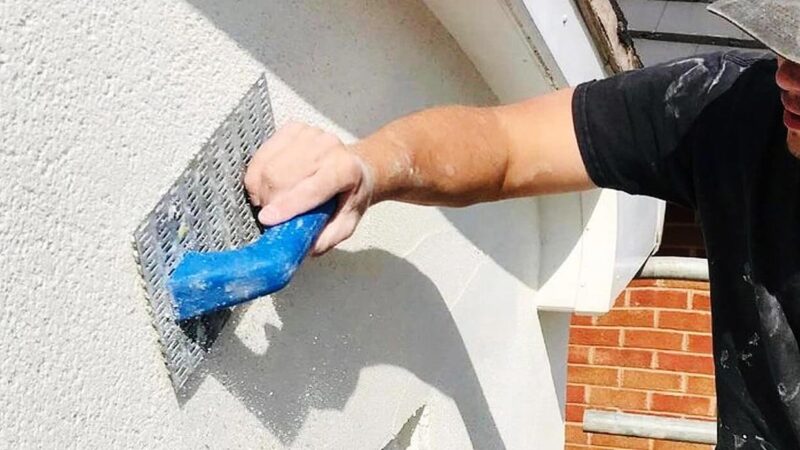
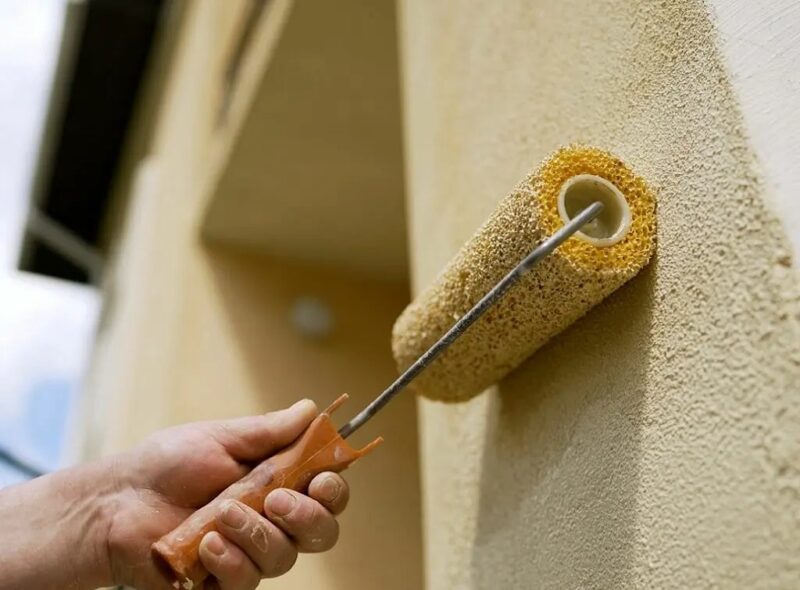
Exterior wall coating is a high-performance protective layer applied to the outer walls of a building.
Unlike conventional masonry paint, these coatings are significantly thicker (up to 20 times), more durable, and engineered with advanced polymers (like acrylics and silicones) to provide superior weather resistance, breathability, and aesthetic longevity.
They’re designed to last for decades, often coming with warranties of 10-25 years, fundamentally changing your home’s exterior maintenance cycle.
Key Factors Influencing Exterior Wall Coating Cost
The cost of exterior wall coating isn’t a one-size-fits-all figure. Several critical factors come into play:
Property Size and Type:
Surface Area: This is the most significant factor. Larger properties (detached houses) naturally require more material and labour than smaller ones (terraced houses or bungalows).
Architectural Complexity: Homes with intricate designs, numerous bay windows, dormers, chimneys, or unusual angles will be more labour-intensive and costly due to the increased cutting, masking, and detailed application required.
Condition of Existing Walls & Preparation Work:
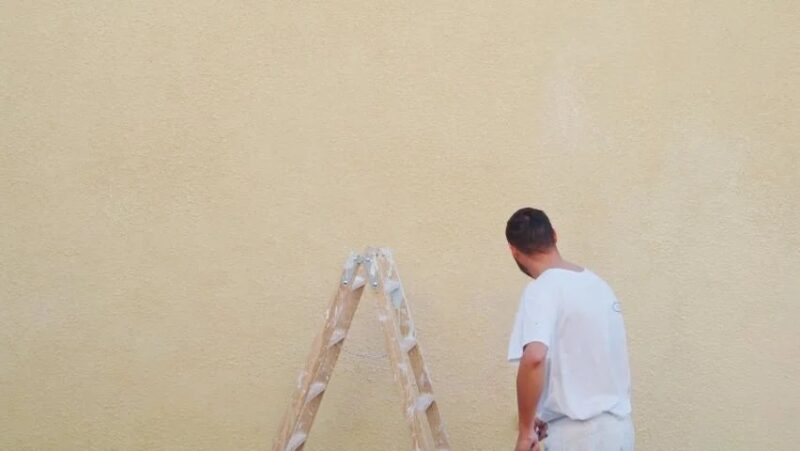
Repair Needs: The current state of your walls is crucial. If there’s extensive damage, such as loose or crumbling render, deep cracks, spalling brickwork, significant damp patches, or widespread moss and algae growth, substantial preparation will be needed.
This might include power washing, fungicide treatment, crack filling, render repairs, and even re-rendering sections.
Paint Removal: If old, flaking paint needs to be stripped, this adds considerable time and cost.
Thorough preparation is paramount for the coating to adhere properly and last its guaranteed lifespan.
Choice of Coating Material:
Different coating types come with varying price points due to their unique properties and longevity.
Acrylic Coatings: Popular, cost-effective, offering good weather resistance and flexibility.
Silicone Coatings: More expensive, but offer excellent water repellency, breathability, and flexibility, often ideal for older properties.
Textured Coatings: Can hide imperfections and add a decorative element, potentially at a higher cost.
Thermal Insulating Coatings: Designed to improve energy efficiency, often at a premium.
The True Investment: Long-Term Value
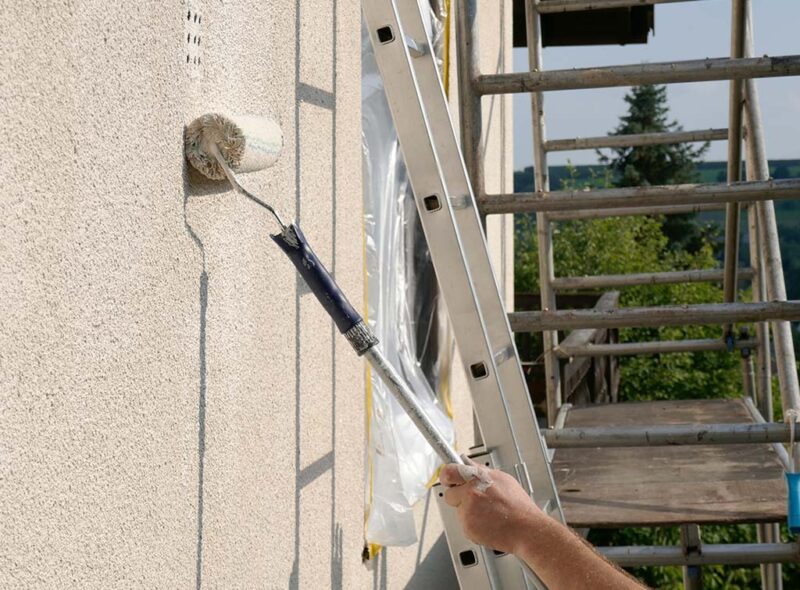
While the initial exterior wall coating costs are higher than a quick paint job, it’s crucial to view it as a long-term investment.
With a lifespan of 15-25 years (or more), you eliminate the need for frequent repainting every few years. This saves substantial money on recurring labour and material costs.
Moreover, the enhanced weather protection and potential energy savings contribute to a healthier home and can increase your property’s value and curb appeal, ultimately proving it to be a cost-effective solution in the long run.