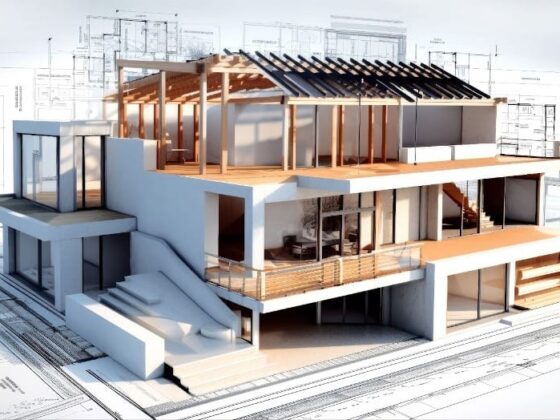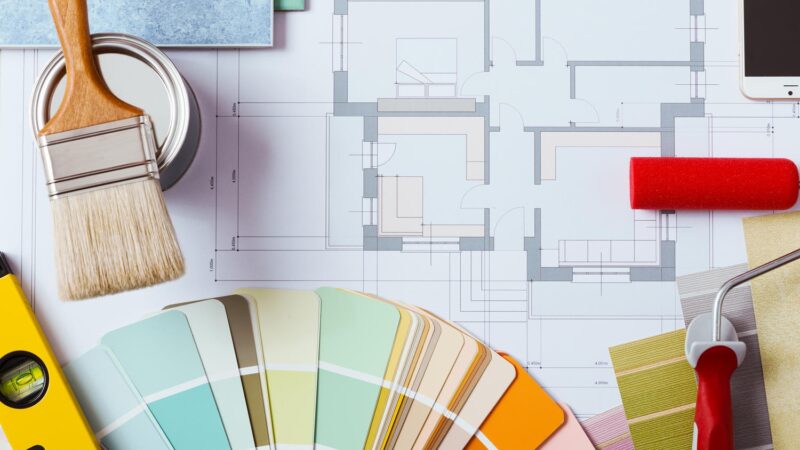
A successful home improvement project rarely begins with tools in hand. Instead, it starts long before any walls are knocked down or colours are selected. The most rewarding transformations begin with a clear plan and a well-thought-out design.
Without this crucial step, even the most enthusiastic DIYers or experienced contractors can find themselves making costly or time-consuming decisions further down the line. Planning and design aren’t just formalities—they’re the foundation of a home that functions well and feels right.
Seeing the Bigger Picture Before the First Stroke
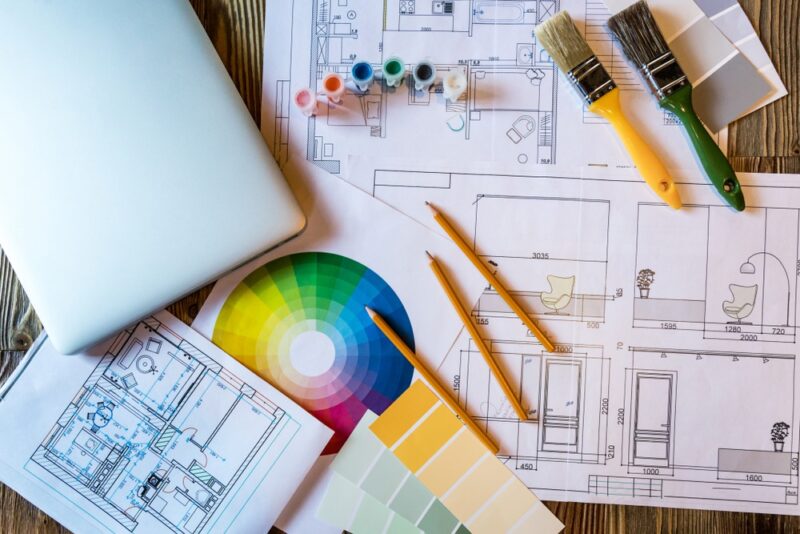
It can be tempting to rush straight into redecorating, particularly when you’re excited about refreshing a space. But good design is about more than matching soft furnishings or picking out this season’s most popular paint shade.
It’s about understanding how you want a room to feel, how it will be used, and how it interacts with the rest of the home. The best designs are tailored to your lifestyle. They reflect how you live day to day, how your family moves through the space, and what your home needs to offer you both now and in the future.
Even something as seemingly simple as choosing a paint colour becomes easier when the entire vision is mapped out in advance. Rather than relying on guesswork or relying on tiny tester patches painted directly onto the wall, you’re working within a considered framework. This kind of clarity not only reduces stress but leads to better, more cohesive results throughout the entire home.
Function First, Finish Later
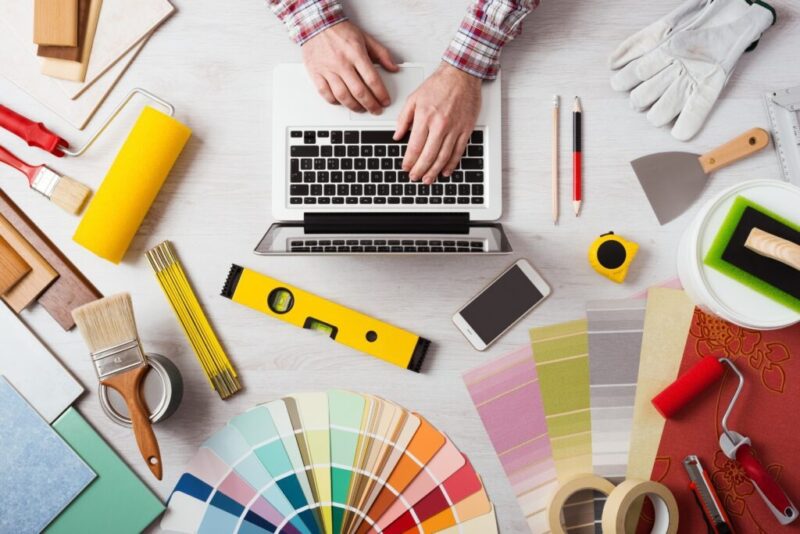
Before diving into stylistic choices, it’s essential to focus on functionality. A room that looks beautiful but lacks practicality can be a daily source of frustration. Good design ensures you’re not only creating a space that looks appealing but one that supports how you actually use it. That might mean rethinking storage in a hallway, reworking the layout of a small kitchen, or ensuring lighting is positioned where it’s needed most.
It’s often during this stage that the true potential of a space is revealed. Walls might not need to be moved, but furniture may need to be reconfigured. Lighting may need an upgrade, not to increase brightness but to add ambience and flexibility. Without a proper design phase, many of these opportunities are missed. You risk investing in a project that ultimately feels like a missed chance to improve how the space works for you.
Gathering Inspiration and Creating a Vision
Design inspiration can come from anywhere—interiors magazines, hotels you’ve visited, the homes of friends or family. But once that inspiration has struck, it needs to be channelled into something practical. Vision boards, rough layouts, or even digital mock-ups can help bring those ideas into focus. It’s in this process that you begin to get a sense of what will work in your space, and more importantly, what won’t.
Many people find that graphic design tools or apps can help with this part of the process, especially when trying to visualise layout and colour in a space. While not everyone will use them directly, working with someone who can provide a graphic representation of your ideas can make decision-making far easier. You see the combinations of colour, shape, light, and layout working together before a single item has been purchased.
Saving Time and Money with the Right Plan
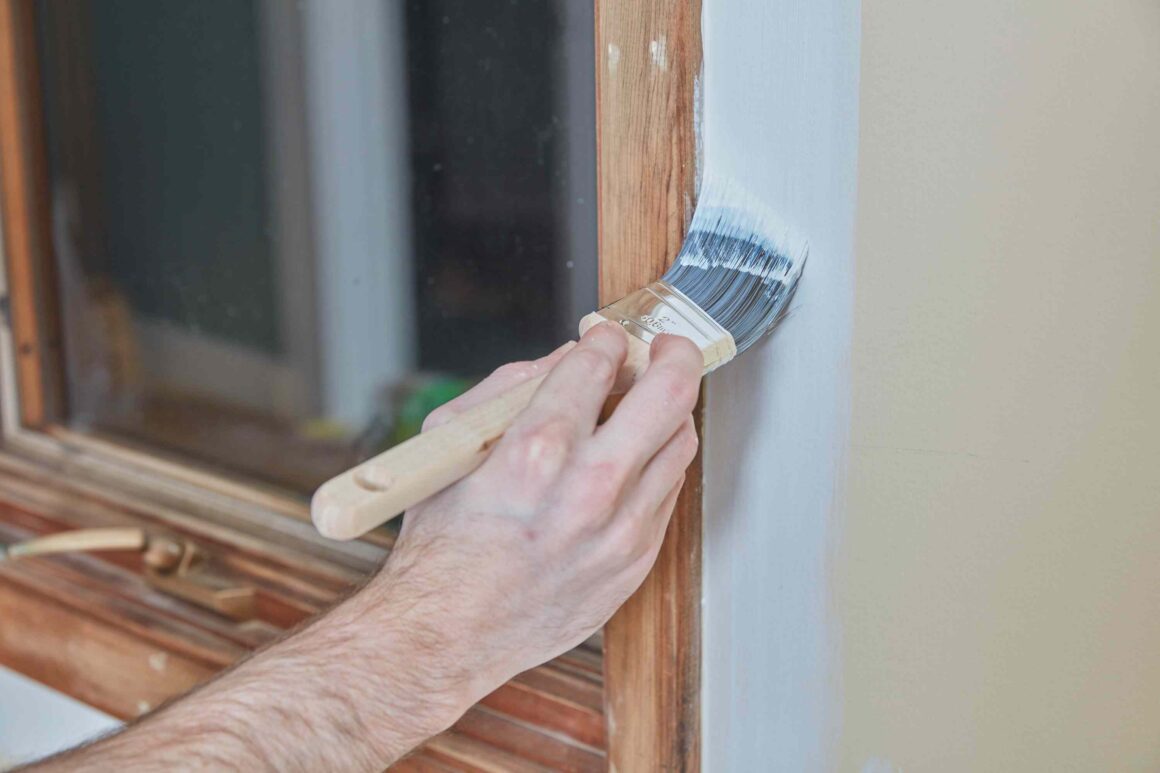
Planning ahead may feel like a delay to getting started, but in reality, it often speeds up the whole renovation process. With a strong design in place, tradespeople know exactly what they’re working towards. Delays caused by indecision, reordering materials, or last-minute changes are far less likely. This ultimately saves you money and ensures your vision doesn’t get lost in the rush to complete the job.
When you’re working to a budget, design becomes even more important. It helps prioritise what really matters, ensuring your investment is focused where it will have the greatest impact. For example, you may find that updating lighting and layout changes a room more than expensive finishes. These kinds of realisations tend to only surface when the whole plan is laid out in front of you.
How Good Design Leads to Longer-Lasting Results
A space that has been thoughtfully designed is more likely to stand the test of time. Trends will always come and go, but rooms that have been created with real consideration tend to evolve well. They feel current, without being trendy. They age with grace and adapt more easily when your needs or tastes shift.
A strong design often includes subtle nods to future-proofing. It may leave space for additional furniture down the line, include clever lighting solutions, or allow for child-friendly zones that can grow into teenage dens. These elements aren’t always obvious in a finished room, but they come from the decisions made long before a brush has touched a wall.
Avoiding Regret with a Strong Visual Foundation
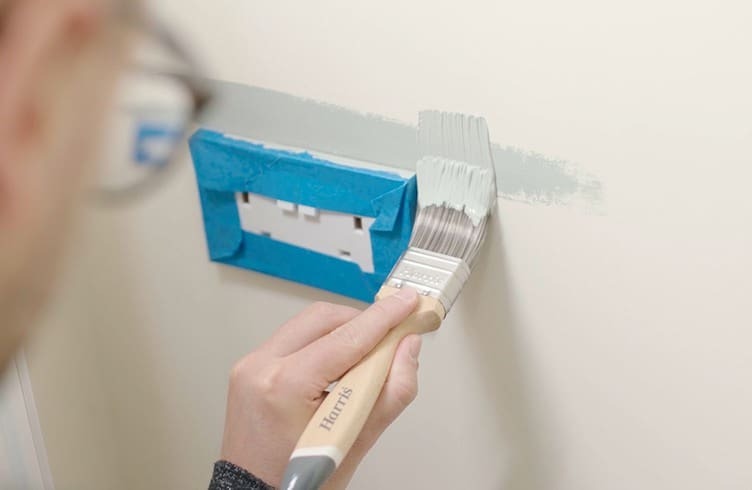
Many homeowners look back on rushed projects with a sense of “if only”. Perhaps the colour wasn’t quite right, the layout never worked, or storage was overlooked. These kinds of frustrations are avoidable with better preparation and design thinking. Investing time up front avoids the common trap of realising things too late—once furniture has been delivered or once costly installations are already in place.
Even when mistakes are minor, they can still chip away at the satisfaction of a newly improved space. That’s why design matters. It doesn’t just give you a plan—it gives you confidence in the direction you’re heading. Whether you’re refreshing a single room or working through a full house renovation, it’s that clarity of purpose that keeps everything aligned.
Why Every Project Deserves a Design Phase
Home improvement doesn’t have to mean a complete overhaul. Whether you’re updating a guest bedroom or making your bathroom more modern, the scale doesn’t change the value of good design. Every project, no matter how small, benefits from the discipline of thinking ahead.
It’s not about formality—it’s about intention. It’s about asking the right questions before decisions are made, and making choices that reflect your lifestyle, your budget, and your aspirations. It’s about working with what you have, and enhancing it in a way that feels right.
So next time you’re tempted to jump straight to the painting stage, take a step back. Ask yourself how you want the space to function, feel, and grow with you. Design is more than an aesthetic—it’s a tool that shapes your home for the better. And it all begins before you ever pick up a brush.