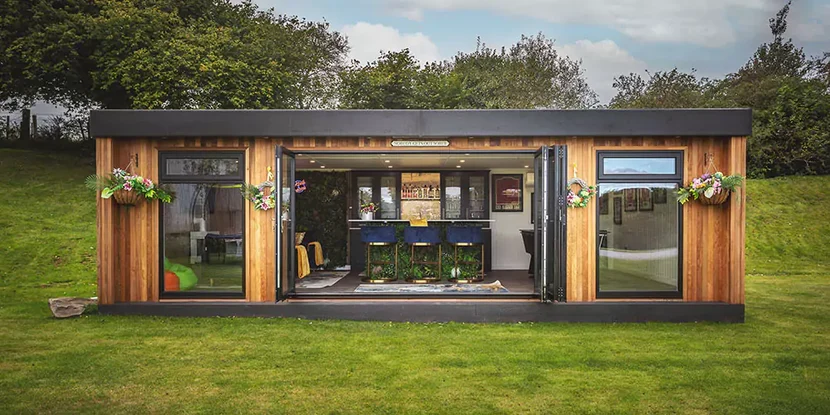
A garden shed starts as somewhere to put the things that have nowhere else to go. Tools, pots, bikes, seasonal clutter. Then something shifts. Not dramatically. Gradually. The structure at the end of the garden stops being storage and starts being part of how the household runs. An office. A hobby room. Somewhere a teenager can actually concentrate.
A garden shed fits into most gardens without planning permission and installs without the disruption of an extension. That combination is why more families are looking at them differently.
How Does a Garden Building Shift Daily Routines?
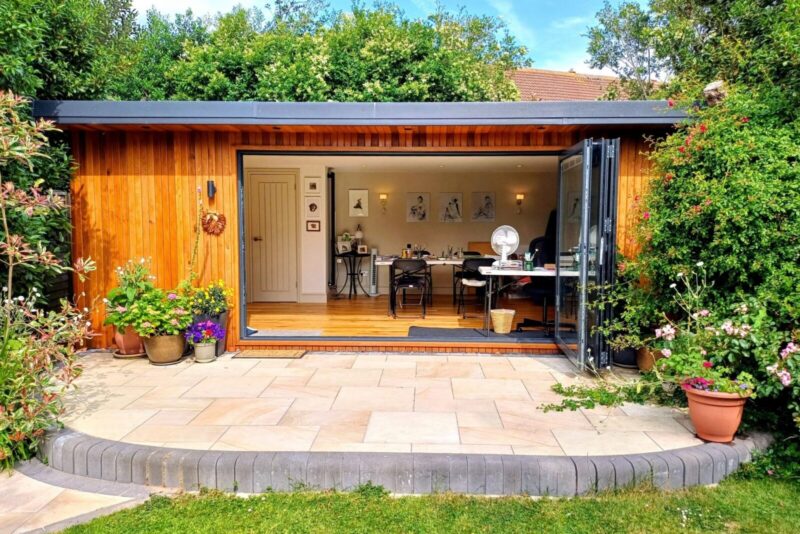
Indoor space opens up first. Bikes disappear outside. Garden tools stop blocking the hallway. Nobody is digging through a pile of equipment to find a coat at seven in the morning. Small adjustment. Noticeable difference by the end of the first week.
Evening hobbies change shape when there is somewhere dedicated for them. Paint and tools stay set up. Projects sit mid-stage without occupying the dining table for three days. Art supplies out of the kitchen is one of those changes that sounds minor until it happens.
Teenagers are harder to read, but a garden shed converted into a study space tends to work. Somewhere to concentrate on homework or creative projects, separate from the main house but not actually far away. Parents know where they are. Teenagers get the distance they want. It works better than most alternatives in homes where bedroom space is already stretched.
Remote workers have pushed garden offices into normal family planning faster than most people expected. A door that closes, no home distractions bleeding through, a cleaner line between work hours and the rest of the day. The ability to actually stop working at six becomes more realistic when the office is a separate building.
What Should Families Consider Before Installing a Garden Shed?
Many garden sheds in England and Wales fall under Permitted Development Rights. No full planning application needed, provided certain conditions are met. Height should not exceed 2.5 metres if the building sits within two metres of a boundary. It should not cover more than half the garden. Conservation areas and listed buildings follow stricter rules. Worth checking with the local planning authority before ordering anything.
Families comparing sizes, layouts, and intended uses need to think beyond storage from the start. MCD Garden Buildings fits naturally into that decision point, where a garden shed has to suit the space, the household routine, and how the building will be used over time.
Foundation choice depends on size and material. Concrete suits heavier timber or composite structures. Gravel or paving slabs handle lighter builds without the cost. Electrical work connecting to the main house must comply with Part P of Building Regulations. A qualified electrician handles this. Badly installed wiring voids insurance and creates fire risk. Not a corner worth cutting.
Which Garden Shed Material Lasts Longest?
Timber is what most UK buyers choose. Pressure treated softwood and cedar both resist rot, but need yearly treatment to hold up. Skip that and untreated timber in a damp British climate deteriorates faster than most owners expect.
Metal garden sheds resist fire and pests. Useful for storing equipment with higher monetary value or anything flammable. Condensation is the problem. A raised floor and proper ventilation limit moisture inside. Composite costs more at purchase but needs the least attention afterwards. Handles damp well. Looks like timber without the maintenance commitment. Worth the upfront difference for anyone planning to keep the shed for more than a few years.
Material changes the maintenance. Ventilation still matters. Vents high on the walls or small openings above the door move air through and stop damp building up. Regular visual checks catch problems before they become expensive. Checking warranty terms before purchase gives a realistic picture of what the shed will actually cost over time, not just on the day it arrives.
How Do Garden Sheds Become Multi-Functional Spaces?
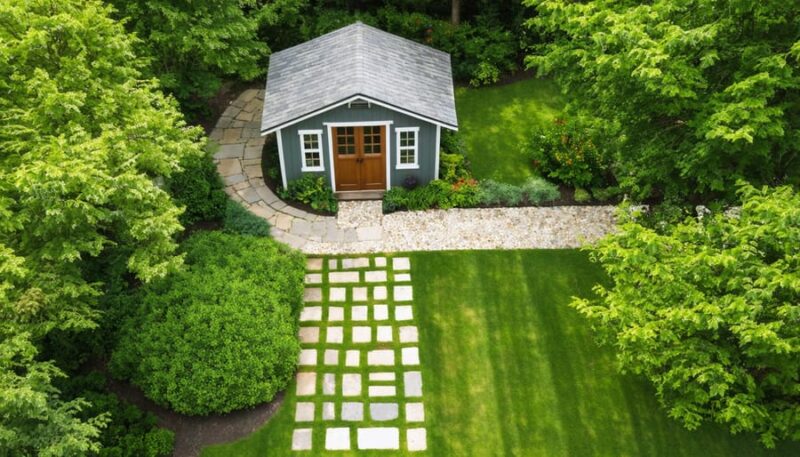
Insulation is the dividing line. Without it, a garden shed is seasonal. With it, the building works through every month of the year. Warm enough in January to use as a workspace. Cool enough in July to stay comfortable. Modular designs let owners add shelving, lighting, or heating in stages, which spreads the cost and lets the building develop alongside the household.
Young children, playrooms, toys kept outside the main house. Retirees, woodworking and painting without disrupting anyone else. These uses share one quality: the separation is what makes them work. Messy or noisy activities continue without affecting the rest of the house.
Ground preparation at installation prevents sticking doors and structural movement later. Annual maintenance on timber, guttering to direct rain away from the base, a gravel channel at the roof edge to move water clear. Consistent attention over years keeps a garden shed functional well beyond what a poorly maintained one would manage. The investment a family makes in their outdoor space returns more when the building is looked after from the start.
A shed earns its place when it solves a real household problem. Not a vague one. The bikes need somewhere dry. The paint kit needs to stop living on the table. Someone needs quiet for work, homework, or half an hour without noise. Sort that out before buying, and the building feels useful from week one. Leave it vague and it becomes another place where things pile up.