Choosing flooring that can handle the demands of daily life isn’t just about appearance—it’s about making a practical investment that continues to perform year after year. From the first steps of the day to the last muddy footprints that come through the door in the evening, your floor needs to stand up to the wear and tear of modern living. Whether it’s a busy family home, a rental property, or simply a house where life happens in every room, resilient flooring makes a big difference.
Why Durability Matters in a Modern Home
No matter how beautiful a floor looks when first laid, it quickly becomes a disappointment if it doesn’t hold up over time. Scratches from pets, dents from furniture, fading from sunlight and general foot traffic can leave a once-pristine floor looking tired. Durable flooring helps reduce maintenance, preserve your home’s appearance, and save money in the long term by avoiding the need for premature replacement.
There’s also the practical side to consider. Some materials can be particularly vulnerable to water, heat or heavy loads. In households where spills are common or furniture is frequently rearranged, a flooring material’s durability becomes more than a convenience—it’s a necessity. The right material will resist damage while maintaining its appearance and functionality, even in the most used parts of the home.
The Rise of Luxury Vinyl Flooring
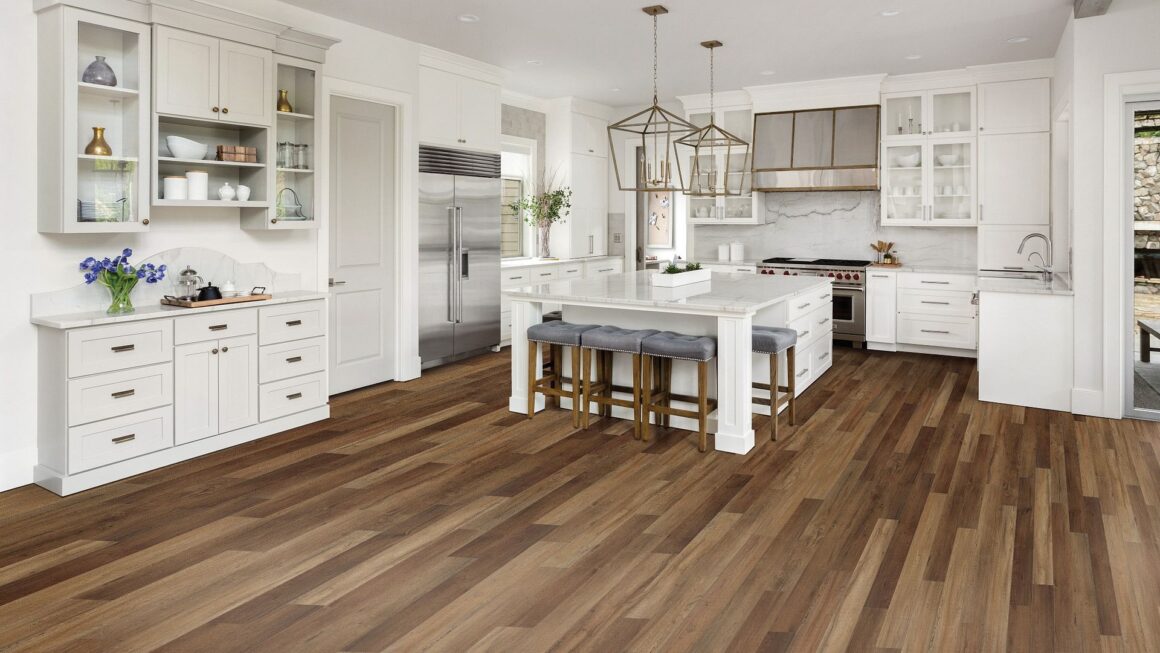
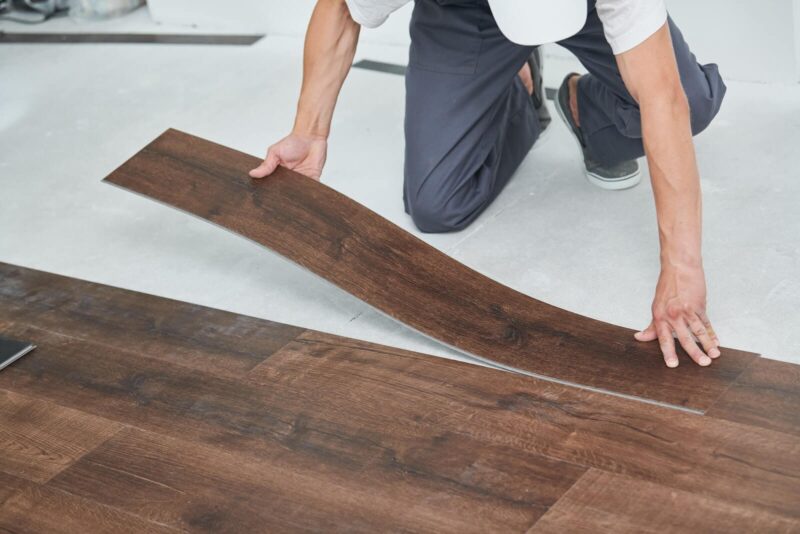
Luxury vinyl has quickly become a favourite in UK homes thanks to its ability to mimic natural materials while offering excellent durability. It’s known for being water-resistant, scratch-resistant and incredibly easy to clean. In spaces like kitchens, hallways and utility rooms, it performs particularly well under pressure. With styles that resemble wood, tile or stone, vinyl can provide the desired look without the vulnerability that natural materials often bring.
For households with pets or young children, vinyl’s soft but hard-wearing surface offers comfort without compromise. Its ability to absorb sound and resist slipping makes it a practical and safe option. It’s also suitable for underfloor heating, which adds another level of comfort during colder months.
Engineered Wood That Lasts
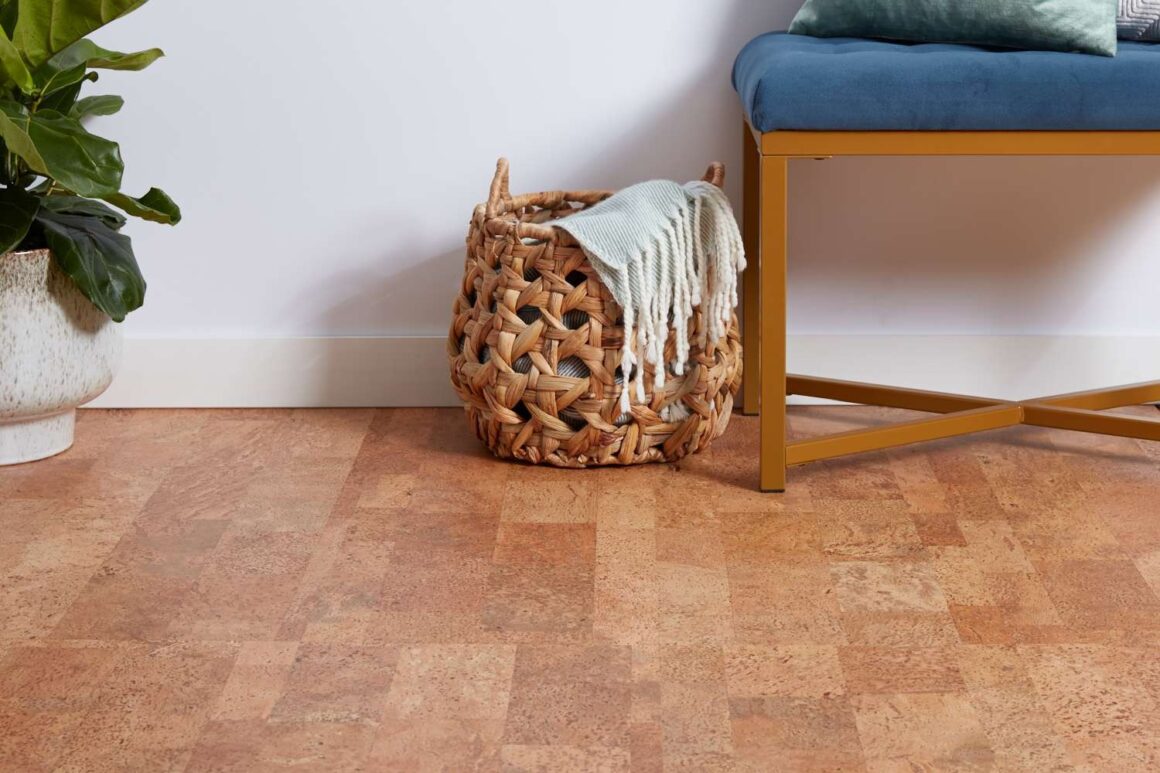
When homeowners want the elegance of wood without the concerns of warping or surface damage, engineered wood often becomes the material of choice. Built with a hardwood top layer over layers of plywood or high-density fibreboard, engineered wood is far more stable than solid timber and performs better in changing temperatures and humidity levels.
It gives the authentic appearance of wood, but with greater resilience against everyday scuffs and moisture. Although it’s not entirely waterproof, it holds up better in kitchens and dining spaces than traditional wood flooring, especially when it’s well-sealed. With the right finish and care, it can handle years of use and still look elegant throughout.
Porcelain and Ceramic Tiles for Tough Environments
Tiles remain one of the toughest options for flooring, particularly in areas prone to splashes, spills and heavy usage. Porcelain, being denser than standard ceramic, is especially well suited to high-traffic environments. It resists moisture, staining, and most types of wear, making it a dependable choice for bathrooms, conservatories and open-plan kitchen areas.
Because tiles don’t absorb water, they are also highly resistant to mould and mildew. With a wide range of patterns, colours and textures available, it’s easy to combine resilience with visual impact. The grout lines may require occasional upkeep, but the tiles themselves are incredibly low-maintenance once installed.
Polished Concrete for Industrial Strength and Style
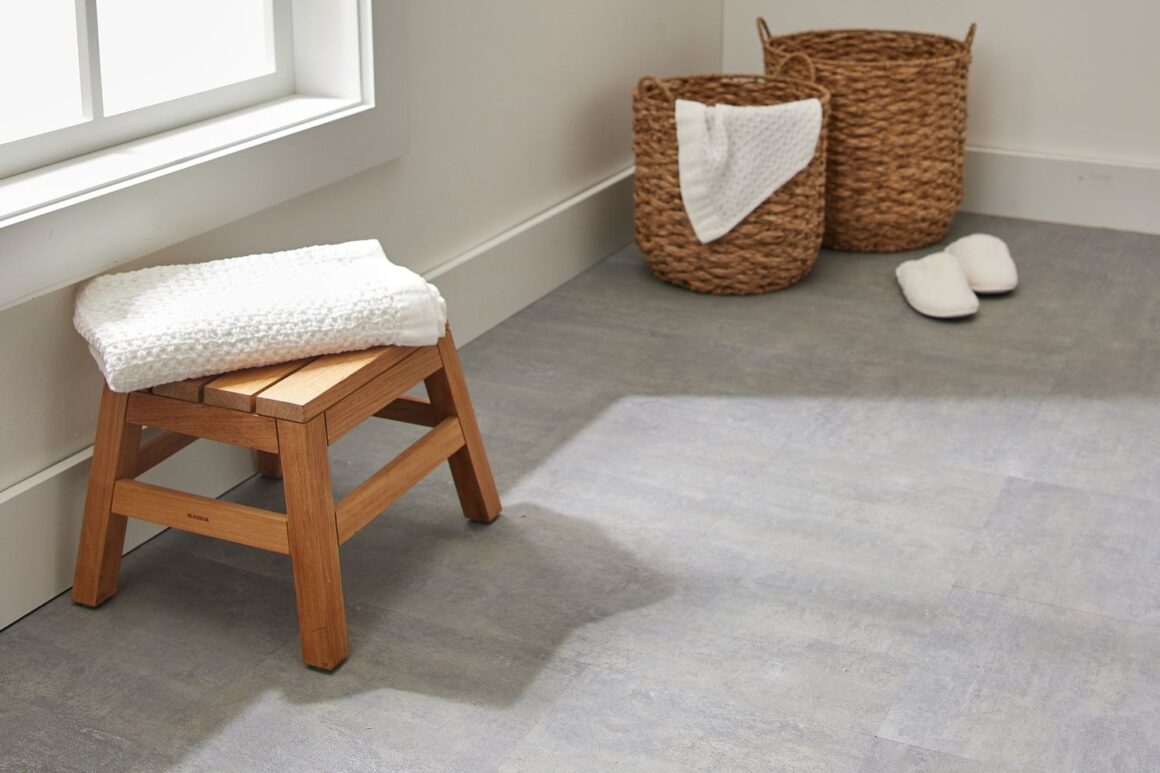
For homeowners looking to combine contemporary style with extreme durability, polished concrete has become a strong contender. Common in modern and industrial-style homes, this material provides a seamless surface that can be coloured, textured or glossed depending on your preference. Once sealed, it becomes highly resistant to scratches, moisture and pressure.
Concrete floors are often found in converted spaces or new-build homes that embrace open-plan living. They’re especially popular with those who want to create a statement or who need something that will last a lifetime. While it may feel colder than other materials underfoot, it can work brilliantly with underfloor heating systems and brings unmatched resilience.
Laminate Flooring That Works Hard
Laminate has come a long way since it first appeared in British homes. Modern laminate flooring is more durable than ever, resisting scratches, stains and dents with ease. It’s designed to replicate the look of natural wood or stone at a much lower cost and with significantly more resistance to daily wear and tear.
Although it isn’t completely waterproof, many new designs include water-resistant technology that makes it suitable for use in kitchens and utility rooms, provided that spills are wiped up quickly. For homeowners who want practicality without compromising on appearance, laminate remains a budget-friendly and hard-wearing solution.
Rubber Flooring for Practical Comfort
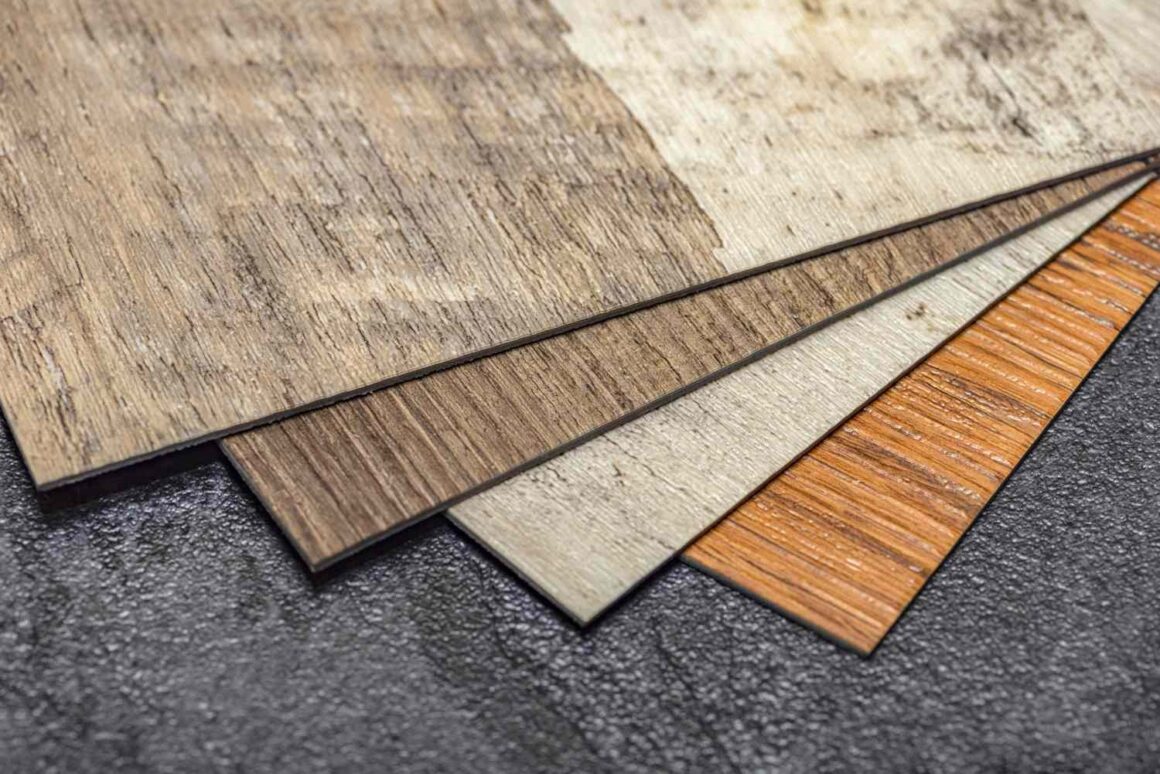
In rooms where comfort and grip are essential—like home gyms, utility rooms or children’s playrooms—rubber flooring has earned a place in the conversation. It’s soft underfoot, shock-absorbent and highly resistant to wear. It’s also water-resistant and naturally slip-resistant, making it a great option for safe, family-friendly spaces.
While not as popular in domestic settings as vinyl or tile, rubber flooring is gaining ground in households that value durability and practicality above traditional aesthetics. With more colours and patterns available than ever before, it’s becoming easier to make rubber floors feel more inviting and modern.
Stone Flooring for Natural Toughness
Natural stone such as slate, granite or travertine offers a stunning and durable solution for homeowners wanting something with heritage and weight. These materials are inherently strong and long-lasting, often lasting for decades when properly maintained. They work well in entranceways, kitchens and garden rooms where durability is crucial and a connection to nature is part of the design goal.
Stone requires a little more attention in terms of sealing and cleaning, but it repays the effort with timeless beauty and strength. It’s also well-suited to underfloor heating and gives a sense of solidity that’s hard to replicate with man-made materials.
Choosing the Right Material for the Right Room
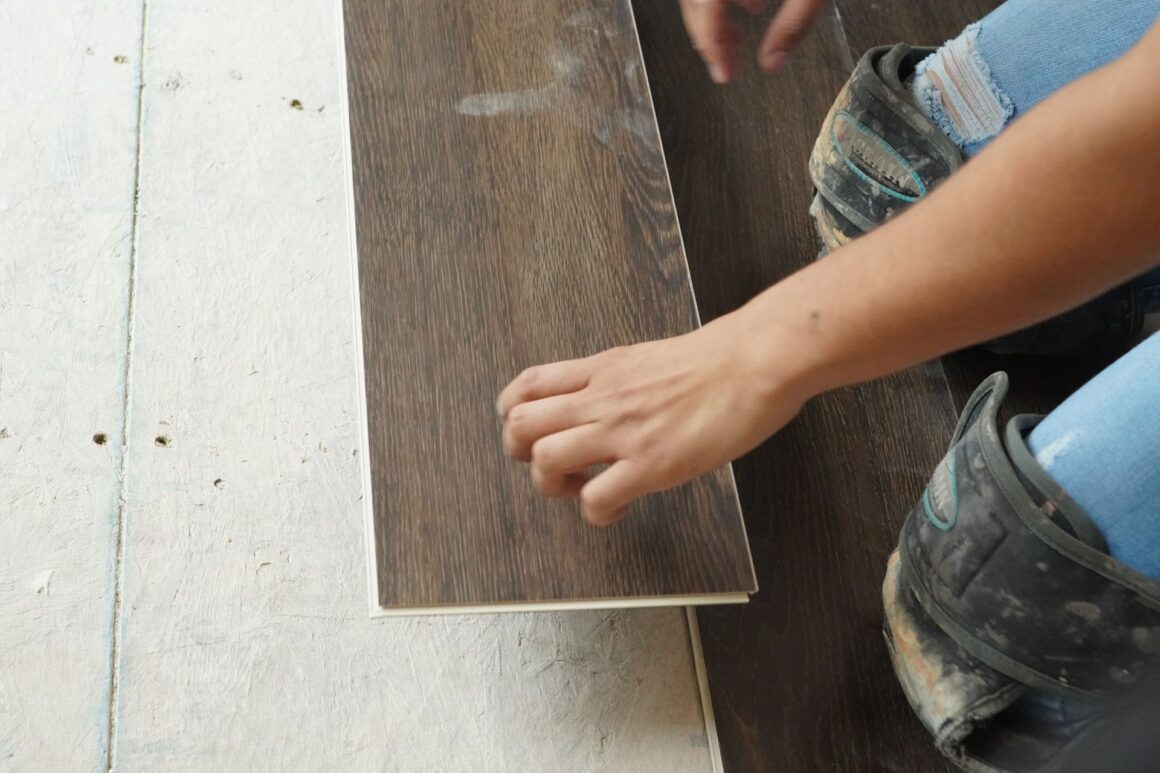
Every room in a home has different demands. The entrance hallway sees boots, bikes and wet coats. Kitchens deal with dropped pots and spilled ingredients. Living rooms need to feel warm and welcoming, yet still durable enough for daily use. The key to finding the most resilient flooring is to match the material to the lifestyle of the space.
What works well in one home might not be the best fit for another. A household with pets may lean towards scratch-resistant finishes. A family with toddlers might prefer cushioned surfaces and moisture resistance. It’s about balancing practicality with the aesthetic goals of the space while keeping one eye on the future.
Making the Investment Count
Durable flooring isn’t just about handling wear—it’s about helping your home look better for longer. A good floor underpins the whole feel of a room and plays a central role in how a space is used. When that floor resists damage, needs little upkeep, and still looks fantastic, it becomes one of the smartest investments you can make.
With so many options available on the market, it’s easier than ever to find flooring that suits your lifestyle and design preferences. Whether you’re drawn to the charm of engineered wood, the practicality of vinyl or the strength of porcelain, the right choice of flooring using professional flooring installers can elevate your home while simplifying your life.