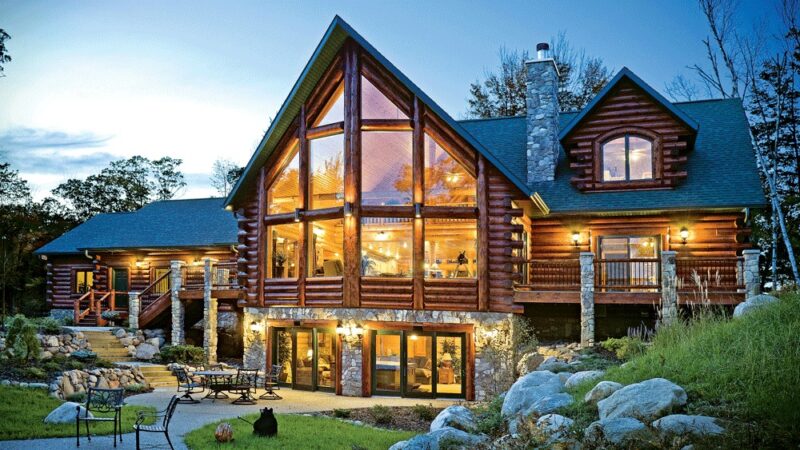
Log cabins have long held a special place in the imagination, representing warmth, craftsmanship, and a close connection with nature.
Traditionally associated with rural living, they have now evolved into highly versatile structures suitable for modern lifestyles. From countryside retreats to contemporary garden offices, log cabins are now used for a variety of purposes that combine comfort, sustainability, and design.
A Brief History of Log Cabins
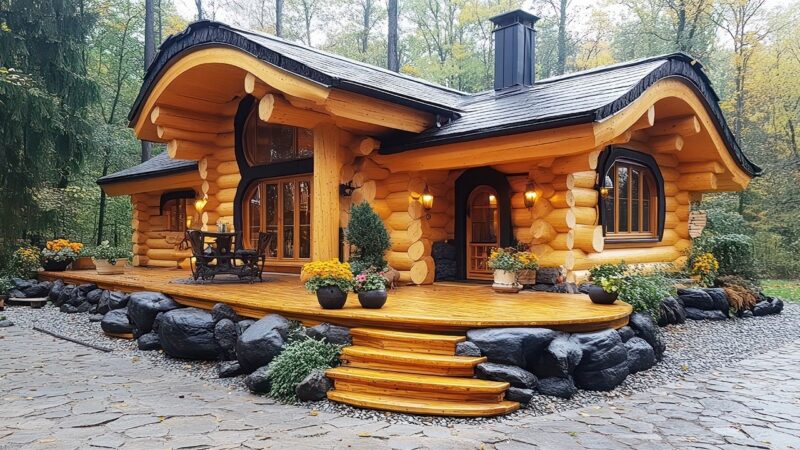
The history of log cabins stretches back hundreds of years, with roots in Northern Europe and Scandinavia. Early settlers brought their building techniques to North America, where the log cabin became a symbol of self-sufficiency and frontier life.
The simplicity of construction, availability of materials, and ability to withstand harsh climates made log cabins a practical and reliable choice for generations.
Over time, the humble log cabin has transformed from a basic shelter into a highly desirable living space.
Modern craftsmanship and advanced timber engineering now allow for intricate designs, improved insulation, and energy efficiency, without losing the traditional charm that defines these iconic buildings.
Why Log Cabins Remain Popular Today
In the UK, log cabins have become increasingly popular due to their flexibility and aesthetic appeal. Many homeowners now use them as home offices, guest houses, hobby rooms, or even full-time residences.
They provide an ideal balance between practicality and relaxation, offering a peaceful retreat that can be placed within a garden or rural plot.
One of the key attractions of log cabins is their natural beauty. The warmth and texture of timber create a calm and inviting atmosphere that cannot be replicated by conventional brick or concrete structures.
The natural insulating properties of wood also mean that log cabins stay cool in the summer and retain warmth in the winter, providing year-round comfort.
The Benefits of Modern Log Cabin Construction
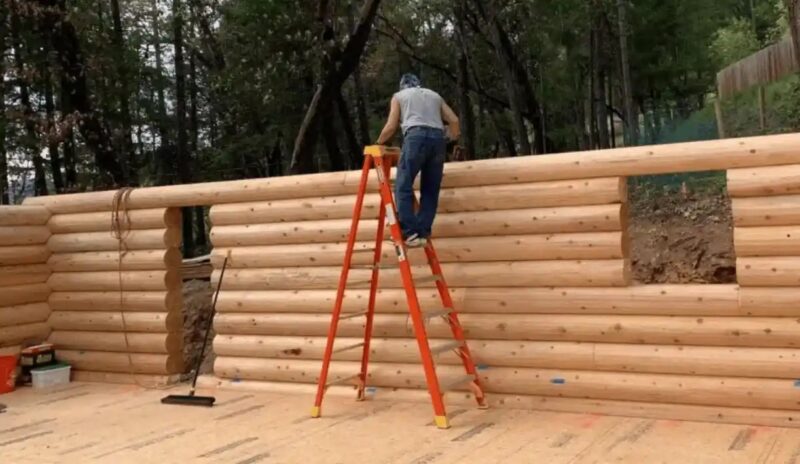
Modern log cabins are designed with precision engineering and sustainable materials, ensuring they not only look beautiful but also perform to high standards.
Some of the main benefits include:
- Durability
High-quality timber is carefully treated to resist moisture, decay, and insects, giving the structure longevity and strength. When properly maintained, log cabins can last for decades. - Energy Efficiency
The thermal mass of solid wood helps regulate indoor temperatures, reducing the need for excessive heating or cooling. This natural insulation makes log cabins both eco-friendly and cost-effective to run. - Quick Construction
Unlike traditional brick buildings, log cabins can be assembled in a fraction of the time. Prefabricated kits and interlocking designs make installation straightforward and efficient. - Sustainability
Responsibly sourced timber and modern forestry practices make log cabins a sustainable choice. Many suppliers use renewable wood from managed forests, helping to reduce environmental impact. - Aesthetic Versatility
Whether you prefer a rustic retreat or a sleek, contemporary look, log cabins can be customised to suit any taste. Options range from traditional Nordic styles to minimalist modern designs with large windows and open-plan interiors.
Common Uses for Log Cabins
The versatility of log cabins means they can be adapted to serve many different purposes. Some of the most popular uses include:
- Home Offices – With remote working now commonplace, many people are installing log cabins in their gardens as quiet, dedicated workspaces away from household distractions.
- Guest Accommodation – A log cabin can serve as a comfortable guest room, offering privacy and convenience for visitors.
- Holiday Lodges – Many owners use log cabins as short-term rentals or personal holiday homes, providing a cosy escape in scenic locations.
- Studios or Workshops – Artists, musicians, and hobbyists often use log cabins as creative spaces due to their tranquillity and natural light.
- Permanent Residences – With modern insulation and utilities, larger log cabins can function as fully equipped family homes.
Choosing the Right Log Cabin
When selecting a log cabin, it is important to consider size, purpose, and construction quality.
Factors such as insulation, timber thickness, and ventilation can affect comfort and durability.
It is also worth exploring customisation options, such as roof type, window style, and additional features like decking or verandas.
For those interested in exploring high-quality log cabins, there are ranges designed to suit a variety of uses, from compact garden rooms to luxurious lodges.
These cabins combine traditional craftsmanship with modern engineering, ensuring long-lasting value and aesthetic appeal.
Embracing the Log Cabin Lifestyle
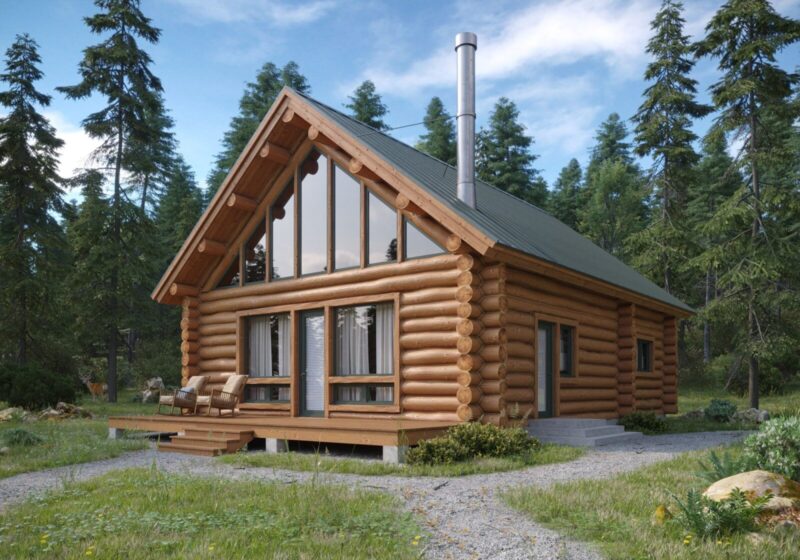
The resurgence of log cabins reflects a growing desire for simplicity, sustainability, and a stronger connection to nature.
They provide a retreat from the fast pace of modern life while maintaining the comforts of a contemporary home.
Whether used as a workspace, a leisure area, or a place to live year-round, log cabins represent more than just a building — they embody a lifestyle that celebrates balance, beauty, and craftsmanship.
As the demand for versatile, eco-friendly housing solutions continues to grow, log cabins are set to remain a timeless choice for generations to come.
Their combination of traditional charm and modern functionality ensures they will continue to inspire anyone seeking a home that harmonises with the natural world.