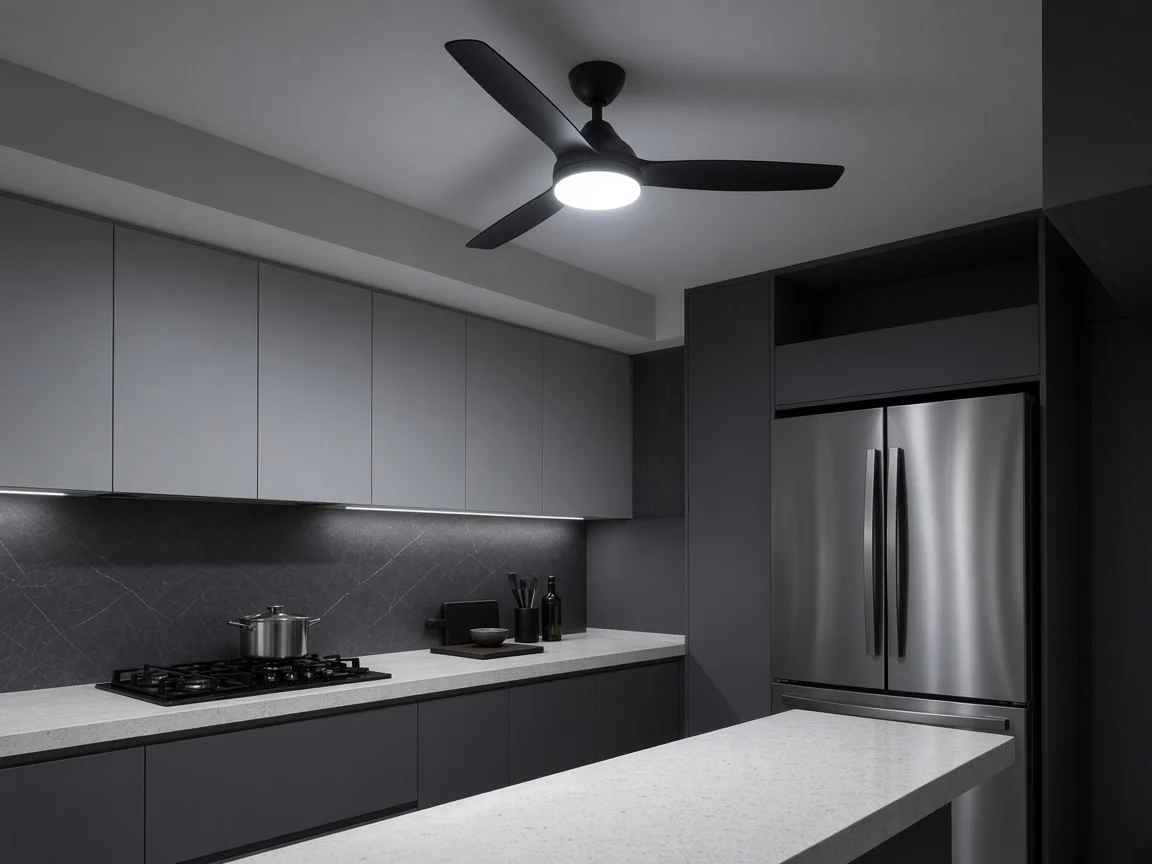
Ceiling fans with lights can solve two room-planning needs at once, but the combination still has to fit the space. Homeowners comparing ceiling fans with lights for balanced rooms should begin with the occupied area, ceiling height, lighting plan, and everyday controls rather than a product photograph. This guide explains how to compare the practical details before choosing a finish. The goal is a fixture that supports airflow and illumination without making the ceiling feel crowded or forcing the rest of the room to work around it.
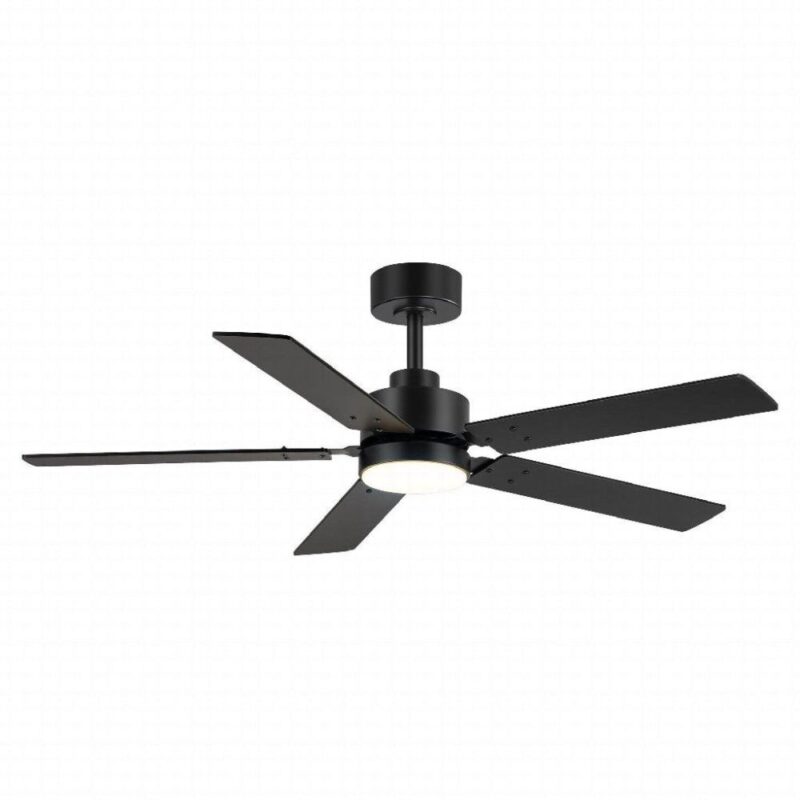
Start with the room plan
Mark the sofa, bed, dining table, work surface, doors, and tall furniture before selecting a fan. The best position is the one that supports the main occupied zone while leaving clear space around beams, pendant lights, wardrobes, and circulation paths. A ceiling fan should be judged as part of the room, not as an isolated object in a catalogue photograph.
Check ceiling height and mounting
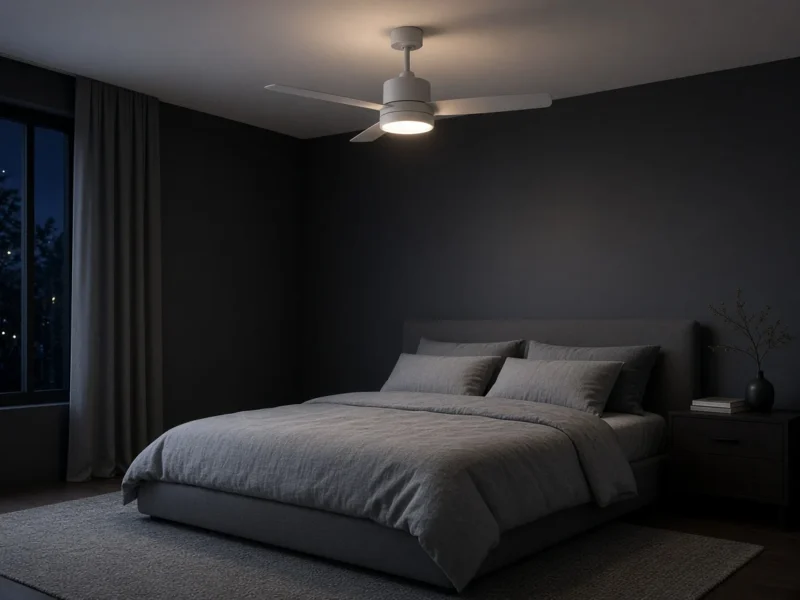
Record the ceiling height, slope, and position of the electrical support point. A low-profile arrangement may suit a lower ceiling, while a vaulted room may need a downrod or compatible adapter. Read the installation instructions for the exact model and ask a qualified installer to confirm mounting support, wiring, and blade clearance before ordering.
Compare airflow with visual scale
Blade span affects the visual balance of a room, but diameter alone does not establish how a particular model will perform. When shortlisting ceiling fans with lights for balanced rooms, compare the manufacturer’s room guidance and published airflow information using the same criteria for every option. In a small room, sketch the full blade circle. In a large room, consider the occupied zone and any obstructions before choosing a visually impressive size.
Give the integrated light a clear role
Decide whether the fan light will provide general illumination, support a seating zone, or act as a convenient secondary source. It should not automatically replace bedside lamps, reading lights, worktop lighting, or wall fittings. Check the exact model’s stated output, color temperature options, and dimming requirements instead of assuming that every integrated light behaves in the same way.
Build a layered lighting plan
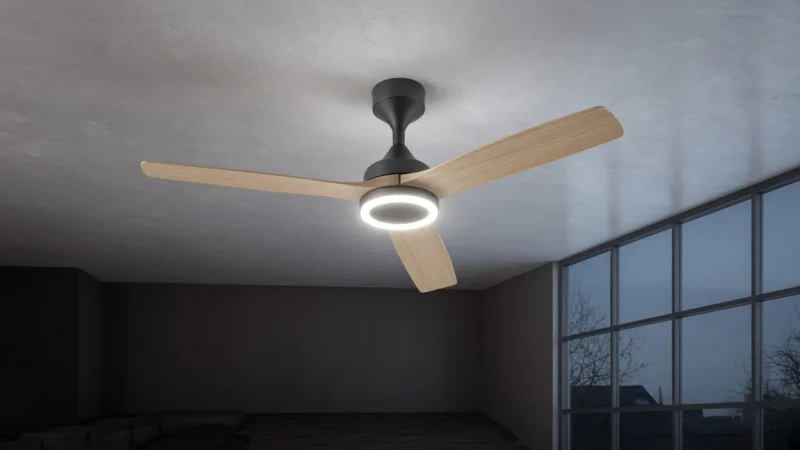
A comfortable room usually needs more than one type of light. Use the fan light as one layer and keep task lighting close to the activity it serves. In a living room, a reading chair may need a lamp. In a bedroom, dressing or bedside areas may need separate control. This approach lets the fan support the room without becoming its only bright source.
Choose finish and controls together
Review the blades, motor housing, canopy, diffuser, and remote as one composition. A quiet finish can blend with the ceiling, while a contrasting finish can make the fan a deliberate feature. Then list the everyday actions the household needs, such as using the light without the fan or changing airflow from bed. Confirm that the approved controls support those routines.
Plan installation and maintenance
Ask how the blades and diffuser will be reached for routine cleaning and whether replacement parts are available. A high ceiling, heavy furniture plan, or delicate light fitting can make future service more involved than the initial purchase suggests. Keep the model documentation, care instructions, warranty terms, and control information together so the fixture remains easy to understand after installation.
Use a short pre-order checklist

Before choosing a model, write down the room dimensions, ceiling height, main occupied zone, lighting role, control preferences, and installer questions. Compare only the products that satisfy these practical conditions first. Once mounting, airflow, illumination, and maintenance are clear, finish and styling can be judged with more confidence. The right choice should feel useful on an ordinary evening, not only attractive in a product image.
Review the choice from several viewpoints
Look at the proposed position from the doorway, the main seat, and the room’s circulation path. Check whether the blade circle feels balanced, whether the light is placed where it can help, and whether the fixture leaves nearby fittings visually clear. This final room-based review often reveals a conflict that a close product image hides. It also gives the installer a useful set of questions before any order is placed.
Quick checklist
| Room condition | Decision to resolve | Information to check |
|---|---|---|
| Low ceiling | Suitable mounting profile | Mount type and required clearances |
| Open living area | Fan position and scale | Occupied zones and published airflow |
| Layered lighting | Role of the fan light | Output and control compatibility |
| Bedroom | Independent night operation | Controls and model instructions |
Practical conclusion
A ceiling fan with lights works best when it is specified as part of the room’s architecture. Measure first, define the lighting role, confirm the mounting conditions, and compare the exact documentation before committing. Next step: use this checklist with the room plan and installer so the final collection choice is practical as well as attractive.