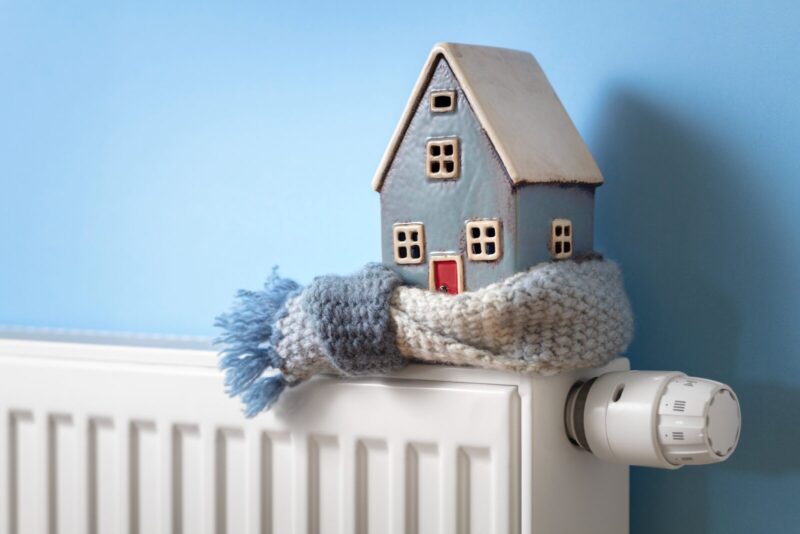
If you’ve ever wondered why some homes stay cozy with minimal heating or cooling, the secret almost always comes down to good insulation. When it comes to making your home more comfortable and energy-efficient, insulation is one of the easiest upgrades with the biggest payoff.
Whether you’re trying to keep heat in during winter, setting up an external wall insulation, blocking the sun in summer, or simply lowering your monthly bills, choosing the right insulation can make all the difference.
Here’s a friendly overview of some of the best options and where they shine.
Fiberglass: The Reliable Classic
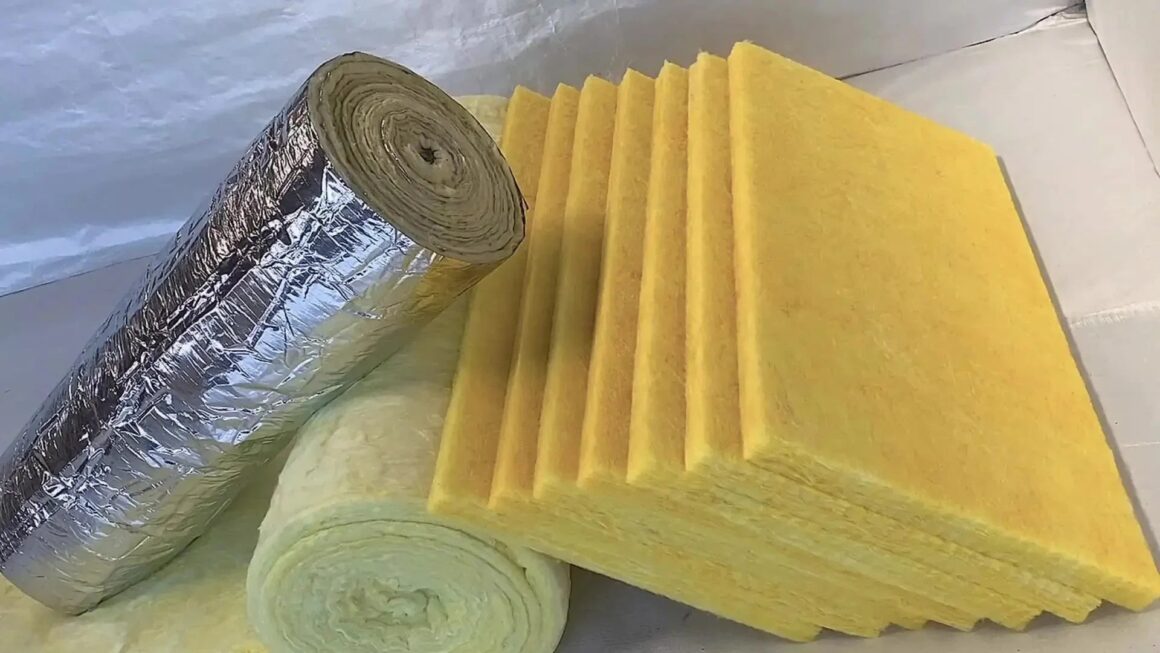
Fiberglass insulation is one of the most common choices for attics, walls, and floors — and for good reason. It’s affordable, widely available, and easy enough for many DIYers to handle. When installed properly, it does a solid job of slowing heat transfer. Just remember that poor installation (those little gaps and compressions) can reduce its effectiveness, so care matters.
Spray Foam: Maximum Efficiency
If you’re looking for top-tier performance, spray foam is hard to beat. It expands to fill every crevice, creating an air-tight seal that stops drafts in their tracks. This makes it ideal for tricky areas like crawl spaces, rooflines, and irregular wall cavities. Closed-cell foam even adds a moisture barrier. The downside? It’s pricey but the savings and comfort often make it worth it.
Rigid Foam Boards: Strong and Moisture-Resistant
Rigid foam boards are great for areas where you need durability and steady thermal resistance, such as basements, foundations, and exterior walls. They’re especially useful during renovations that allow you to insulate from the outside. Because they don’t absorb moisture easily, they perform well in damp or below-grade areas where other materials struggle.
Mineral Wool: Fire-Safe and Soundproof
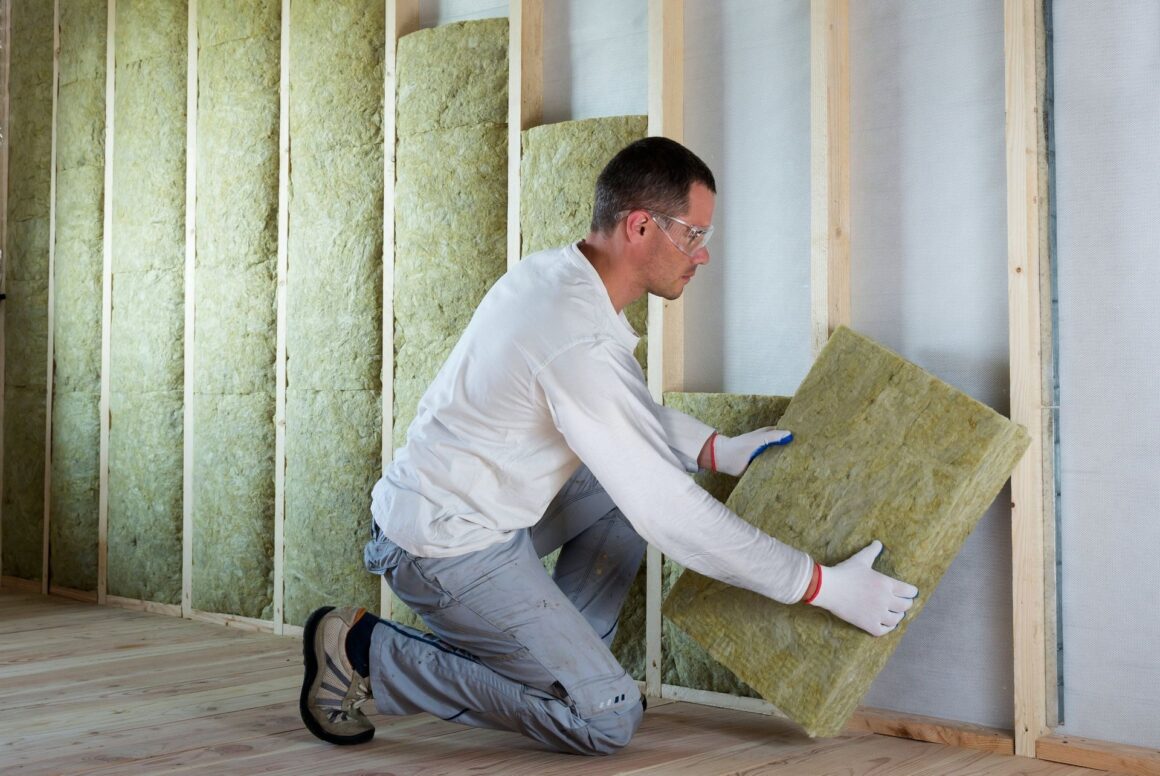
Mineral wool (or rock wool) offers a unique combo of benefits: it’s naturally fire-resistant, excellent at blocking sound, and easy to cut and fit snugly into place. Homeowners often choose it for bedrooms, internal walls, and any area where added safety or quiet is a bonus. It costs a bit more than fiberglass, but many find the extra performance worthwhile.
Cellulose: The Eco-Friendly Filler
Made from recycled paper, cellulose insulation is a popular choice for older homes, especially when you want to improve insulation without tearing walls apart. Blown-in cellulose can fill odd-shaped cavities and help eliminate drafts in existing structures. It’s environmentally friendly and effective, though it can settle over time, so proper installation is key.
Radiant Barriers: Best for Hot Climates
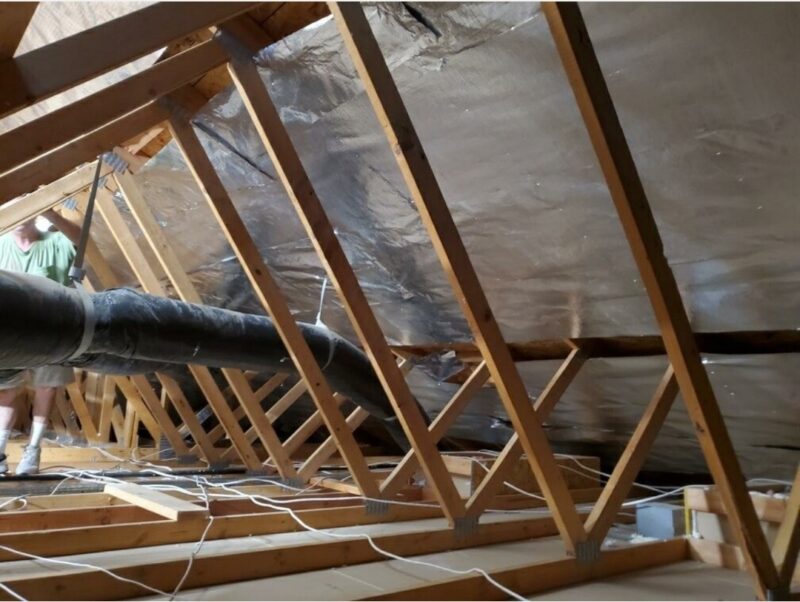
If your summers are scorching, a radiant barrier in the attic can make a noticeable difference. Instead of resisting heat like traditional materials, it reflects radiant energy away from your living space. It works especially well when combined with another type of insulation and is a smart upgrade for sun-heavy regions.
Finding the Right Fit
Every home has different needs, so think about your climate, your budget, and the areas causing the most discomfort.
- On a tight budget? Fiberglass is a solid choice.
- Want top performance? Spray foam excels.
- Tackling a basement or foundation? Rigid foam handles moisture beautifully.
- Updating an older home? Cellulose may be the easiest fix.
- Living somewhere hot? Pair a radiant barrier with another insulation type.
Upgrading your insulation isn’t just about saving energy, it’s about creating a home that feels better year-round. And with the options available today, there’s an insulation solution for every space and every style of home.