Moving into a new home is exciting until the first week reveals a leaking tap, inadequate storage, marked walls, and flooring that needs attention. The good news is that an empty house gives you a brief advantage: trades can work faster, materials can be carried in easily, and there is no sofa to cover in plastic.
So, which renovations should you do before moving into a new home? Prioritise work that is dusty, disruptive, safety-related, or hidden behind walls. Cosmetic projects that are easy to live around can wait. A useful order is: inspect and repair, update essential systems, complete wet areas and flooring, paint, then install the finishing details.
Start with a pre-move renovation inspection
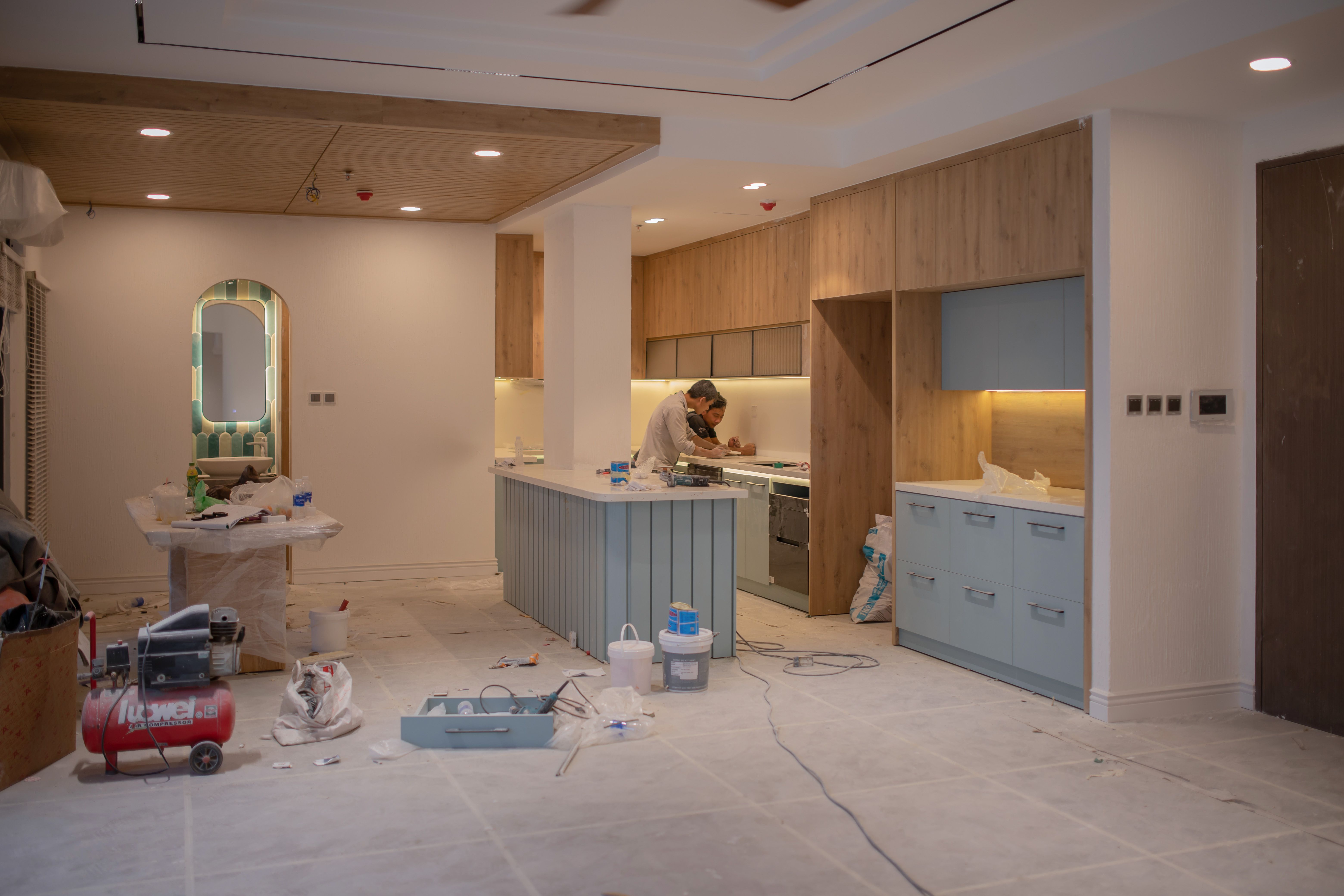
Before choosing new tiles or kitchen handles, walk through the property with a practical eye. Look for active leaks, damp smells, cracked or loose surfaces, tripping hazards, inadequate lighting, damaged electrical outlets, poor ventilation, and doors or windows that do not close properly.
This is the unglamorous step that prevents expensive rework. For example, painting over a damp patch without fixing the source only hides the problem temporarily. Likewise, installing new flooring before checking for subfloor moisture can trap a building defect beneath an attractive finish.
Ask qualified professionals to assess electrical, plumbing, gas, structural, roofing, and heating or cooling issues when they are outside your expertise. Renovation is not the right time to guess about load-bearing walls, wiring, or combustion appliances.
1. Fix safety and health hazards first
Safety work belongs at the top of the list, even when it does not improve the home’s appearance. Repair unsafe stairs and railings, replace broken glass, improve exterior and hallway lighting, test smoke and carbon-monoxide alarms, and address exposed wiring or unreliable outlets.
Older homes need extra caution before any sanding, demolition, window replacement, or repainting. The U.S. Environmental Protection Agency says paid contractors working on painted surfaces in pre-1978 housing generally need lead-safe certification under its Renovation, Repair and Painting program. Its lead-safe renovation guidance for DIYers also recommends testing or treating affected surfaces as though they contain lead when the home’s age or paint history is uncertain.
The exact rules depend on where you live, but the principle travels well: identify hazardous materials before disturbing them. That can include lead paint, asbestos-containing materials, mould, contaminated soil, or old insulation. Do not cut into suspicious materials simply to get a renovation started.
2. Repair water, damp, and ventilation problems
If a new home has a moisture problem, deal with it before improving its finishes. Check under sinks, around toilets and showers, near windows, in basements or crawl spaces, and along ceilings beneath bathrooms or the roof. Persistent condensation, musty odours, bubbling paint, swollen cabinetry, and black spotting all deserve investigation rather than a quick cosmetic fix.
Bathroom and kitchen exhaust fans should vent outdoors, not into a roof cavity or enclosed space. A fan that makes noise but moves little air is not doing the whole job. Repairing ventilation before painting or installing cabinets also helps protect those new surfaces from moisture damage.
Radon is another issue that cannot be judged by smell or appearance. The EPA’s indoor-air guide explains that any home can have a radon problem and recommends testing, particularly where local conditions make radon a concern. If testing identifies a problem, mitigation should happen before you finish or occupy the relevant areas.
3. Upgrade hidden systems before closing the walls
Once walls are open, it may be sensible to update old plumbing, wiring, insulation, data cabling, or heating and cooling controls. This does not mean replacing every service in a perfectly functioning home. It means taking advantage of access that may not exist again for years.
Consider the practical changes you will otherwise regret:
- Adding power outlets where you will actually use them, especially beside beds, desks, and kitchen benches.
- Installing lighting where rooms are currently gloomy.
- Running network or smart-home cabling before plasterboard and joinery conceal the routes.
- Adding bathroom extraction, kitchen exhaust, or heating and cooling improvements while ceilings are accessible.
- Improving insulation or sealing obvious draughts, provided ventilation and combustion safety are assessed at the same time.
Do not make a home more airtight without considering how fresh air enters and how fuel-burning appliances exhaust. The EPA’s best practices for indoor air quality during remodeling connect source control, dust containment, and ventilation rather than treating them as separate concerns.
4. Renovate the kitchen while the house is empty
A kitchen renovation is among the best projects to complete before moving in because it affects plumbing, electrical work, flooring, cabinetry, splashbacks, appliances, and daily routines. Empty rooms make demolition and delivery easier, and you will not have to live around an unusable sink or temporary cooking area.
Prioritise function over decorative upgrades. Check the position and capacity of outlets, the location of water and waste connections, the rangehood’s route to the exterior, worktop lighting, storage, and the clearance around appliances. If the existing kitchen is serviceable, smaller changes such as new handles, lighting, shelving, or a durable benchtop may deliver more value than a full replacement.
Order matters here: rough-in services first, then walls and ceilings, flooring, cabinets, benchtops, splashbacks, appliances, and paint touch-ups. Photographing pipes and cables before they disappear behind finishes is a small habit that can save hours later.
5. Complete bathroom work before furniture arrives
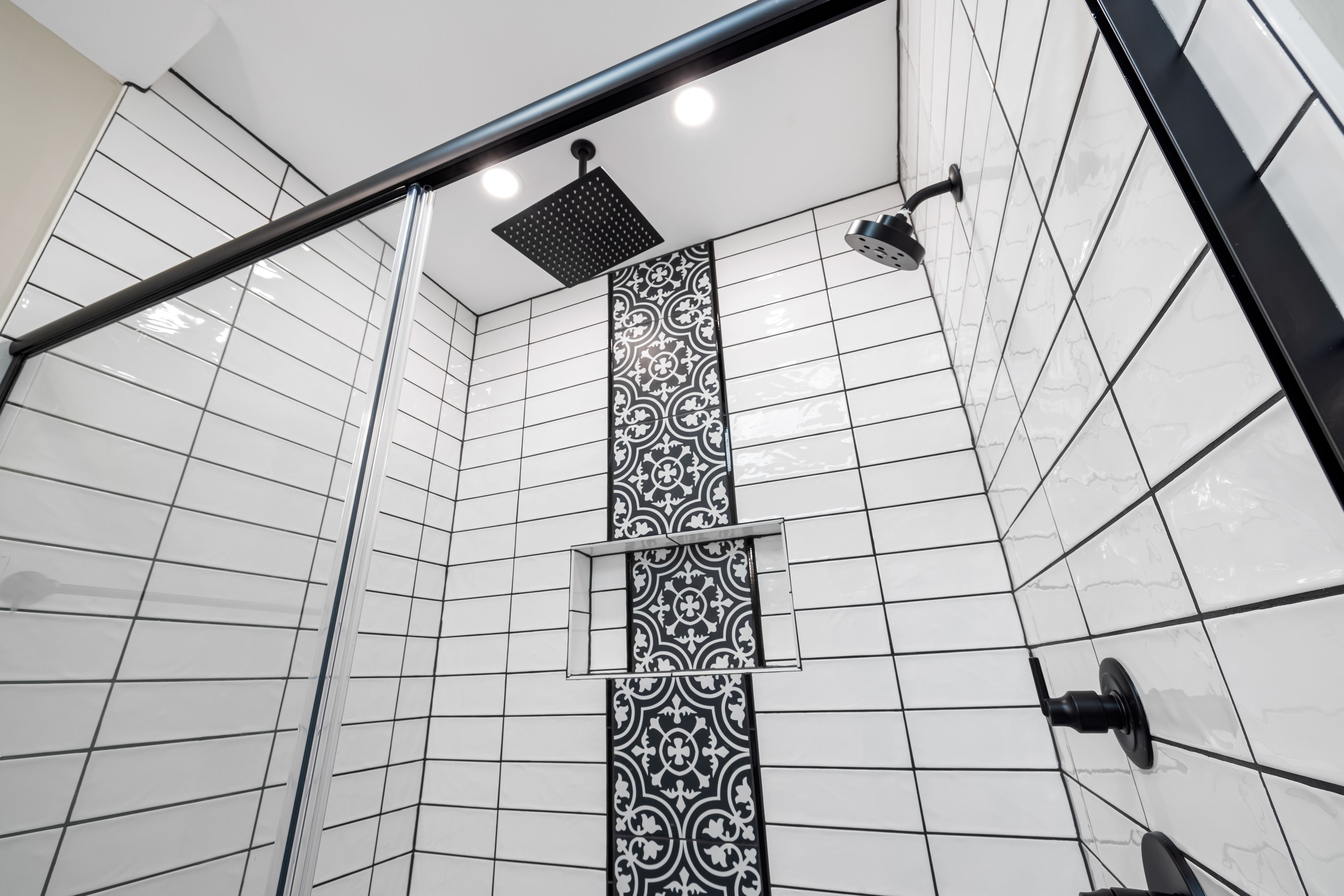
Bathrooms are another high-value pre-move project because they combine waterproofing, plumbing, electrical work, ventilation, tiling, and sealants. A bathroom that needs renovation is difficult to live with; a bathroom that has been poorly waterproofed can damage the structure beneath it.
Use the empty-house window to fix leaks, replace tired fixtures, improve storage, repair grout, and confirm that the shower screen and floor direct water toward the drain. If a full renovation is not necessary, a new exhaust fan, resealing, better lighting, and a replacement vanity can still make the room feel substantially better.
Allow adhesives, grout, silicone, paint, and other products to cure according to their manufacturers’ instructions. “Looks dry” is not the same as ready for heavy use.
6. Do flooring before you move your belongings in
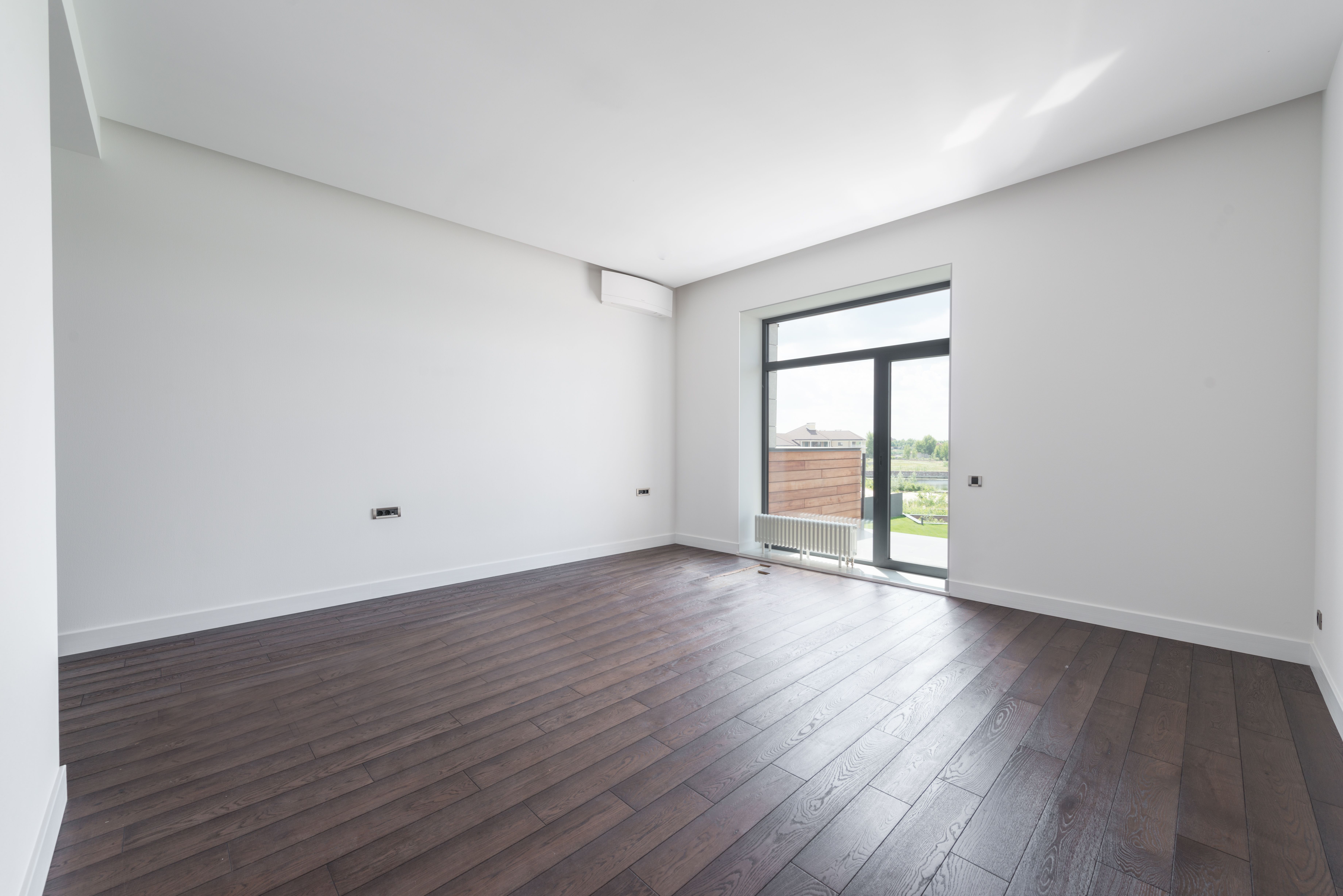
Flooring is disruptive when rooms are furnished, so install, refinish, or repair it before the removal truck arrives. This is also the right time to inspect the subfloor, level uneven areas, replace damaged boards, and plan transitions between rooms.
Choose materials according to the room rather than treating the entire home identically. Hard, water-resistant surfaces often make more sense in entries, kitchens, bathrooms, and laundry areas, while bedrooms may benefit from a warmer or quieter finish. The EPA warns that flooring and carpet installed near moisture sources need careful attention to water and drying conditions.
If the property has timber floors that need professional preparation, arrange the sanding and polishing before furniture is delivered. For a commercial property or shared building, specialist advice such as Melbourne Commercial Timber Floor Sanding can help clarify the preparation and polishing requirements for a heavier-use setting.
Do not forget curing and acclimatisation. Timber, coatings, adhesives, and sealers may need time before normal traffic and furniture placement. Follow the product instructions and keep the space ventilated.
7. Paint after messy work, but before the final clean
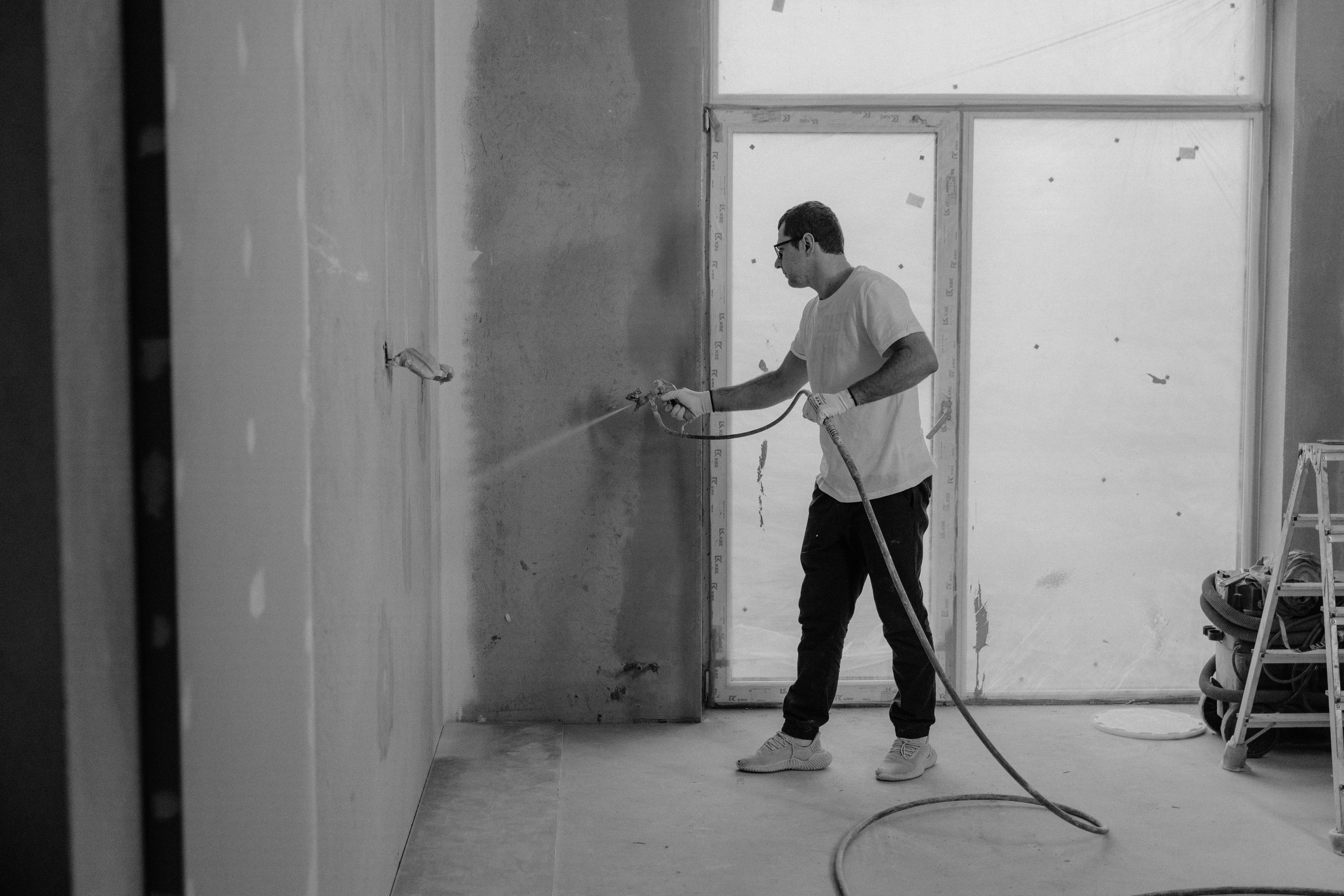
Painting is one of the clearest wins before moving in. Empty rooms mean faster preparation, cleaner edges, and no need to move wardrobes or protect every possession. Paint ceilings first, then walls, trim, doors, and built-in details. Leave small touch-ups until after flooring and cabinetry are complete.
Do not use paint to conceal unresolved damage. Scrape, repair, dry, prime, and then paint. For older homes, investigate the paint before sanding or scraping. During and after painting, ventilate as much as practical and keep children, pets, and anyone sensitive to fumes away from the work area.
The EPA recommends maximum ventilation during activities likely to off-gas and for at least 72 hours after some flooring and finishing work. That is a useful planning guide, but the product label and local conditions take priority.
What can wait until after moving day?
Not every improvement deserves a pre-move deadline. Decorative lighting, feature walls, built-in storage, landscaping, window treatments, smart-home gadgets, and minor hardware changes are usually easier to live around. Waiting can also help you understand how the home works in different weather and where your belongings naturally collect.
I would be particularly cautious about rushing permanent layout changes. Live in the home long enough to notice which door becomes annoying, where morning light falls, and whether the “obvious” furniture arrangement actually works. A floor plan can suggest a solution; daily life tests it.
A sensible pre-move renovation sequence
- Complete inspections and document defects.
- Address structural, safety, hazardous-material, plumbing, electrical, and moisture issues.
- Open walls and ceilings for essential hidden-system upgrades.
- Finish kitchen and bathroom construction.
- Repair subfloors and install or refinish flooring.
- Paint ceilings, walls, trim, and doors.
- Install cabinetry, appliances, lighting, and hardware.
- Ventilate, allow materials to cure, deep-clean, and complete a final safety check.
The most important deadline is not the moving truck. It is the point at which dusty, wet, chemical, and inaccessible work is finished and the home is genuinely ready for people.
Frequently asked questions
Should I renovate before moving in or after?
Do disruptive, dusty, wet, or hidden work before moving in whenever the budget and schedule allow. Wait on decorative and layout decisions that benefit from living in the home first.
Is painting before moving in worth it?
Usually, yes. Empty rooms reduce preparation time and prevent paint splatter or sanding dust from reaching furniture. Resolve damp and surface problems first, and ventilate during and after the work.
Should flooring or painting come first?
In most cases, complete major flooring work before final wall touch-ups. Paint ceilings and walls after the messiest construction, then return for small marks caused by flooring, cabinetry, or appliance installation.
What renovation adds the most value before moving?
There is no universal answer, but repairs that prevent damage, improve safety, correct moisture, or make essential kitchens and bathrooms functional usually have a stronger case than purely fashionable finishes.
How long should I wait before occupying a newly renovated room?
Use the manufacturer’s curing and ventilation instructions for each product. Keep people out while work is active, remove dust thoroughly, and do not assume that a surface is safe simply because it feels dry.