The best way to keep your garage door safe, dependable, and long-lasting is to keep it maintained. Your garage door is likely the heaviest moving object in your home and relies on vital parts such as springs, tracks, and sensors to operate properly. When these parts fall into neglect, they can fail abruptly or pose safety issues. Inspecting and maintaining your garage door hardware now will save you from lengthy replacements, help your door operate quietly and efficiently, and keep it from breaking down unexpectedly.
Broken Springs
Garage door springs handle the heavy lifting: they store tension to lift the weight of the door. Through numerous open-close cycles, it is not unusual for springs to wear and eventually snap. The sudden breaking of a spring is potentially dangerous, as the door will become unbalanced and unable to operate; contact a professional for garage door repair to restore safe, reliable function. Common warning signs include hearing a “bang” from the garage when the spring snaps, the door not opening (or only lifting a few inches), a visible gap in torsion-spring coils, or one side of the door sitting higher or lower than the other.
- Signs: Pay attention to loud popping or banging sounds from the garage. The door may not open completely or may appear crooked when opening. It is also possible to see a gap in the spring or notice cables that have become loose or hung in the opening.
- Prevention: Examine the springs once a month, looking for signs of rust, gaps, or elongation of the spring. Twice a year (preferably fall and spring), coat the spring with a silicone-based lubricant to reduce friction and prevent corrosion. Test the garage door balance and smooth operation by unhooking the door opener and lifting the door halfway up, and it should remain still. If the garage door falls or lurches to one side, the springs may need adjusting. Don’t try to replace a spring on your own: they are under extreme tension, and if improperly handled, they may result in severe injury.
Misaligned Sensors
Most new garage doors have little “photo-eye” sensors on each side of the opening at the lower part of the door frame. The sensors create an invisible beam of light, and if it is blocked or misaligned, the door will stop and reverse. They can become misaligned for a number of reasons: another object bumped into the sensor, the bracket became loose, or dirt/spider webs blocked a lens. Signs you might have a problem include the door not closing (it will immediately open back), and the light on the opener is blinking. You’ll often find dust or debris in one of the eyes.
- Signs: The door opens back up when you attempt to close it, and the opener light is blinking. Look sensor to sensor to see if the beam is blocked or misaligned, or if the light on one of the sensors is off. That is the problem.
- Prevention: Keep both sensor lenses clean and aligned. Using a soft cloth, clean them off every so often to remove dirt or spider webs. Try not to have anything in front of the eyes on the floor (such as snow or toys). If one of the sensor brackets becomes loose, it will be off alignment, causing a safety measure to engage. Regularly tighten any loose brackets so both eye sensors are pointing toward one another. Periodically check your auto-reverse feature; place a 1-2 inch block (a shoe will work) underneath the door, and when it goes down, it should reverse back up again on contact with the block.
Noisy Operation
Squeaks, grinding, or rattling sounds usually mean one of the door’s components is dry, worn, or loose. High-pitched squeaks often come from dry rollers or hinges rubbing against metal tracks. Grinding or scraping noises may indicate that the tracks are bent or misaligned or that the opener gears are worn out. Loud bangs or clanks could indicate that a piece of hardware is loose, or that a spring actually has a broken cubic.
Understanding what these sounds are and fixing them promptly may help contain small problems before they become large repairs.
- Common Noises: Squeaks and creaks most likely indicate metal-on-metal friction (dry rollers, hinges, or tracks). Grinding indicates that the rollers are not moving smoothly, as a result of bent tracks or rusty bearings. A loud bang or clank indicates that the springs or another piece of hardware is loose.
- Prevention: Ensure that all moving parts receive light lubrication. Spray a silicone-based or lithium grease on the rollers, hinges, springs, and even the opener’s chain or belt drive. Periodically tighten (but do not overtighten) nuts, bolts, and brackets to eliminate rattles or snags. Wipe away dirt or debris from the tracks with a damp cloth. Consider using a higher-quality nylon roller with a sealed bearing to further reduce noise or longevity of the roller’s life.
Worn Rollers
The rollers (wheels) run along the door tracks and guide it up and down. Like all moving parts, the rollers can eventually wear out, especially if they have run without lubrication or if debris has hit them. The rollers may become flat, cracked, or rusted. When the wear worsens, the movement of the door will feel jerky or heavy, and you will usually hear squeaking or grinding noises when the door is operated. For example, if a steel roller gets worn down, then it can grind against the track, or a dry nylon roller can squeak.
- Signs: Inspect the rollers every few months and look for cracks, chips, or a rusty appearance on any of the rollers you can see. When the door is lifted, feel for any rough spots or catches in the tracks. The door should easily glide by hand – any sticking or wobbles is a warning sign. Also, be alert and listen for grinding or popping sounds while the door operates.
- Prevention: A good rule of thumb to follow is to replace the rollers every 7-10 years (approximately 10,000 cycles). Use high-quality nylon rollers with sealed bearings – they’re quieter and last longer than inexpensive steel rollers. Keep both the rollers and track clean and lubricated – after all, you use the same garage lubricant on the roller shafts and bearings just like the springs and hinges. If you notice any new noises, re-lubricate and/or replace the worn rollers before the problem damages other components.
Door Off Track
If a door comes off its track, it is an emergency situation. This can occur when debris (dirt, stones, or small toys) gets in its track, or when the tracks are bent or the nuts get loose, to misalign the door. Forcing the door (or if a car bumps the door) may also knock the door off track. When this occurs, one side may hang lower. If the door has come off its track, it may jam, and you will usually hear a grinding noise as it moves. An off-track door is unsafe, so do not use the opener if you suspect this.
- Signs: The door moves at an angle, touches one side, or hangs up. You might notice a panel out of alignment or the rollers riding on the edge of the track.
- Prevention: Don’t allow dirt or anything else to interfere with the tracks. Don’t slam or force the door by hand; always use the opener. From time to time, check that the brackets and the supports holding the tracks in place are tight. If you observe a dented rail, roller, or an indication that the door is pulling out of the rails, call a specialist. Self-adjusting misaligned tracks may aggravate the problem. To put it succinctly, the tracks are fragile, and you should take precautions to keep the door centered on its path.
Maintaining your garage door is an Investment in the Future
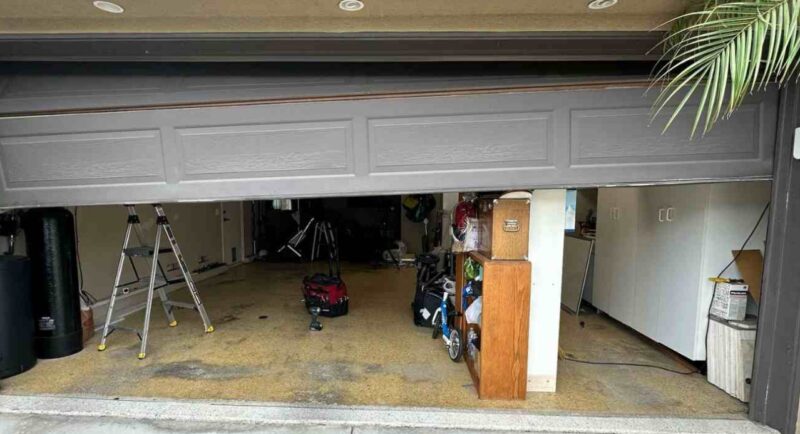
Doing regular maintenance pays off. Simple things such as lubricating parts, tightening the bolts, and testing safe features can eliminate the possibilities of most issues before they arise. Addressing minor problems, such as a frayed cable or loose roller, could save you hundreds of dollars compared to replacing a broken spring or bent track. A qualified technician performs yearly inspections and can identify hidden issues that may pre-exist or develop. This lets you take additional action prior to damage. Preventing expensive emergency repairs protects the hardware and protects your wallet; it also increases the lifespan of the garage door. In summary, a little time spent on maintenance now pays off later and will provide peace of mind.