You bought the smooth sandstone paving, built the bespoke wooden pergola, and put in sleeper-edged raised beds. You spent an entire bank holiday weekend installing low-voltage garden lighting, complete with two frantic trips to the local tool hire shop.
Now, be honest about how often you sit outside. If it’s only twice a summer—and one of those times was just while moving the wheelie bins—then you’ve got a problem.
That massive gap between what you spent and how much you use your space usually has one common cause: overdesign.
Here are the specific features ruining your layout, and how to fix every single one.
Too Many Separate Zones
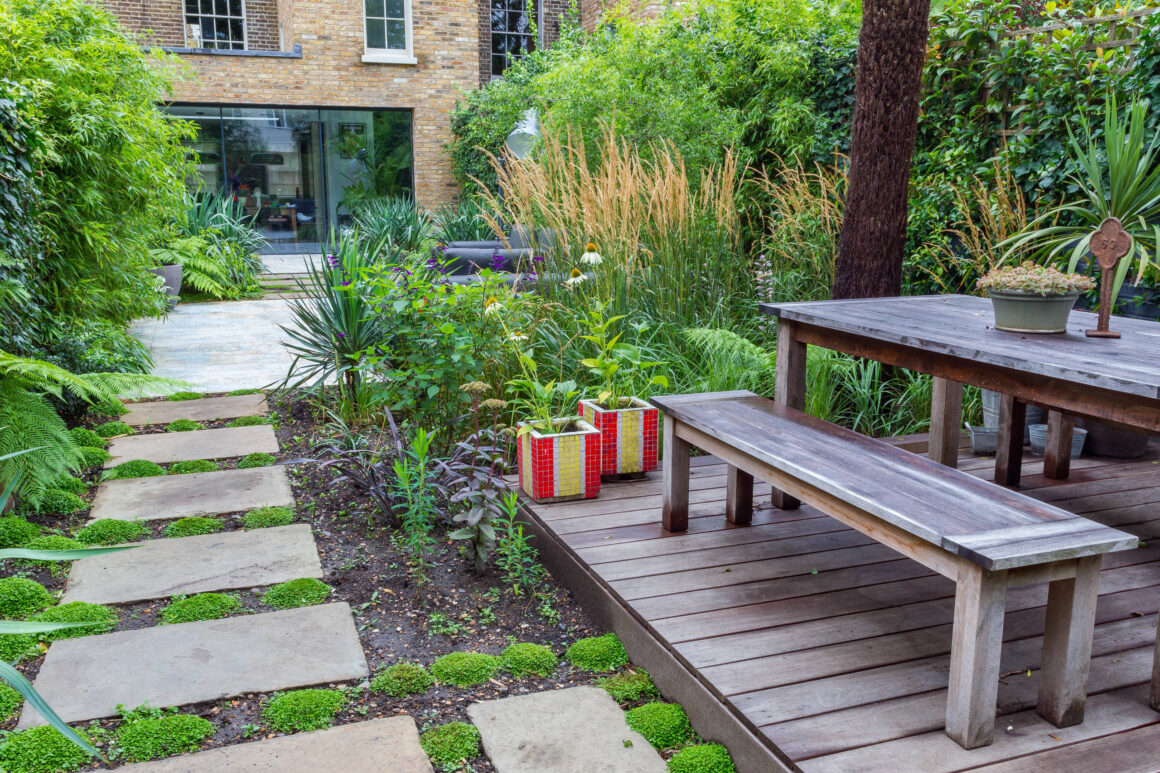
Zoning works beautifully in a garden you can’t see the end of. It works considerably less well across a space you can cross in eight strides.
Give yourself a dining area, a lounging corner, and a growing bed, and all three end up too small to use. The chairs scrape the planter every time someone stands up, and the bed holds about three courgette plants before it’s full.
Use the table once in those conditions, and you’ll eat indoors forever after. One decent-sized area you actually like beats three you keep apologising for.
Winding Paths and Stepping Stones
A curving route through the planting looks wonderful drawn on paper. But it adds ten or fifteen steps to a journey you make regularly. That gets annoying fast when you’re carrying a leaking bin bag or a heavy tray of drinks.
So you’ll do what everyone does and cut straight across the border. Give it one summer, and there’ll be a bald track worn through the planting you paid someone to lay.
Stepping stones cause the same problem in a different way. You have to watch your feet and adjust your stride for each one, which is difficult when you’re carrying something in both hands.
Multiple Level Changes
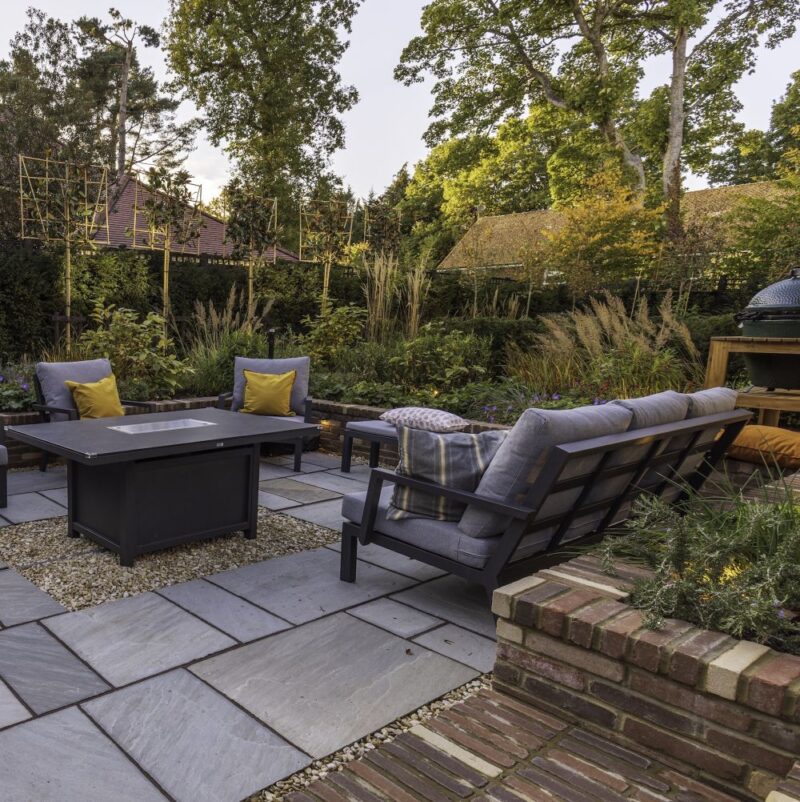
Sunken seating areas and elevated decking platforms certainly add visual drama to modern plots. However, they also introduce endless tripping hazards and awkward steps that limit how you use the space.
Navigating constant steps while carrying heavy planters or hot food gets exhausting very quickly. Keeping ground levels flat and simple makes moving around your garden far safer and more enjoyable.
Too Many Surface Materials
Mixing outdoor porcelain, timber decking, gravel, decorative cobbles, and artificial turf in one space creates intense visual chaos. Your eyes never get a chance to rest because every section screams for attention.
Beyond the aesthetic clash, combining multiple materials creates endless maintenance headaches. Leaves get trapped between gravel and decking, while weeds thrive in the awkward gaps where different surfaces meet.
Sticking to two complementary materials creates a cohesive, flowing visual scheme. Clean simplicity always beats a mismatched patchwork of hardscaping materials.
Oversized Structures and Ornamental Features
A pergola needs proper footings and a serious chunk of floor, and a bare one gives you neither shade nor shelter. It simply stands there through February while you look at it from the kitchen window.
Outdoor kitchens are much the same. Yours gets lit perhaps four times between June and August, and holds its ground for the other ten months.
Water features and ornamental ponds are usually placed for the view from indoors rather than for anyone standing in the garden.
They offer a lovely view for two weeks in June. Then, they demand hours of murky cleaning in autumn and spend the rest of the year taking up prime space.
High-Maintenance Planting
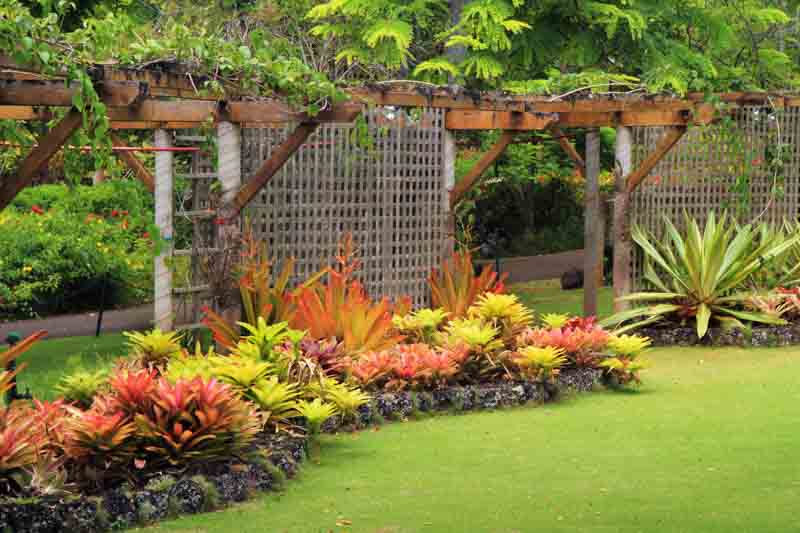
Filling your borders with exotic species that require precise pruning, constant shelter, and specialist soil sounds exciting. However, most homeowners quickly grow to dread the endless weekend upkeep.
When your plants require constant intervention, your garden will turn into an exhausting second job. Delicate blooms often wither and die in unpredictable UK weather, leaving you with empty, patchy borders.
Choosing hardy, low-maintenance flora keeps your borders looking vibrant with minimal effort. Investing in professional eco landscaping services can also help you establish a sustainable, self-sufficient planting scheme that thrives naturally.
Built-In Everything
Built-in concrete benches and fixed masonry barbecues look sleek, but they lock your garden into one rigid configuration forever. You can never move the seating to follow the evening sun or clear space for a gathering.
Fixed furniture also tends to hold dampness, making it uncomfortable to sit on for most of the year. Once installed, these heavy structures are painfully difficult and costly to remove.
Flexible, freestanding furniture offers far superior comfort and practical adaptability. You can reconfigure your layout in seconds whenever your social needs change.
Reclaiming Your Outdoor Canvas
Undoing an overdesigned layout doesn’t mean starting completely from scratch with a digger. You can easily reclaim your space by taking a few sensible steps:
- Clear unused features. Remove non-functional ornaments, crumbling pots, and unused structures. This frees up immediate ground space.
- Remove internal dividers. Take down internal dwarf walls, heavy dividers, and unnecessary trellis panels. This smooths out awkward transitions between zones.
- Simplify ground surfaces. Replace patchy flowerbeds and tricky stepping-stone paths. A clean, continuous lawn or simple paving works much better.
Simplifying your layout gives you back a functional blank canvas that fits your actual day-to-day life.
How to Keep It Usable
Leave part of the garden empty on purpose. A clear middle makes the whole space feel bigger and gives you room for things you haven’t thought of yet.
Choose fewer, larger elements. One proper bed looks better and needs less edging than four pots dotted about like they’re avoiding each other.
And before anything gets concreted in, drag your actual furniture onto the grass and try to get used to the layout for a week. A borrowed table will tell you more than any drawing ever will.
Conclusion
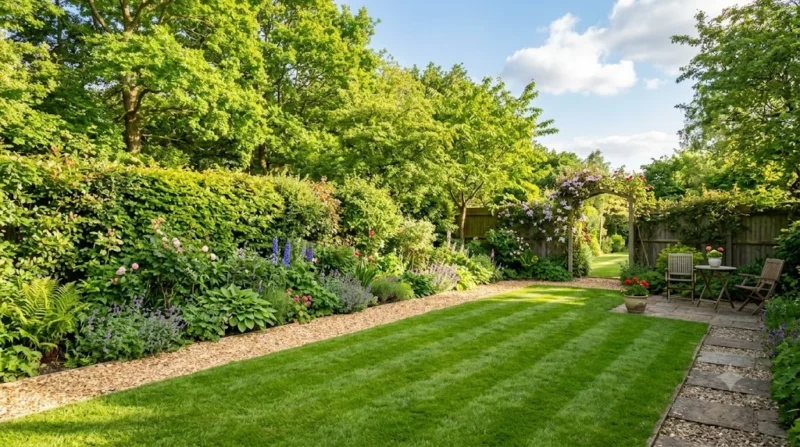
Congratulations on taking the first step toward rescuing your back garden from design madness. Your garden should fit the way you live, not turn into an endless weekend chore.
So, strip away the clutter, embrace simple spaces, and enjoy your newly reclaimed outdoor haven.