Layered flooring is increasingly popular for its ability to regulate home temperature effectively. This approach not only improves comfort but also contributes to energy efficiency. Understanding how these systems work can help homeowners make informed decisions about their interior design choices.
Layered flooring is gaining traction as a key component in modern home design, particularly for those seeking enhanced temperature control. By incorporating multiple layers with specific properties, this type of flooring creates a barrier that helps maintain consistent indoor temperatures. Laminate flooring underlay plays a crucial role in this system by providing insulation and reducing heat loss. As homeowners seek sustainable and comfortable living environments, the demand for such solutions continues to grow.
How layered flooring aids thermoregulation
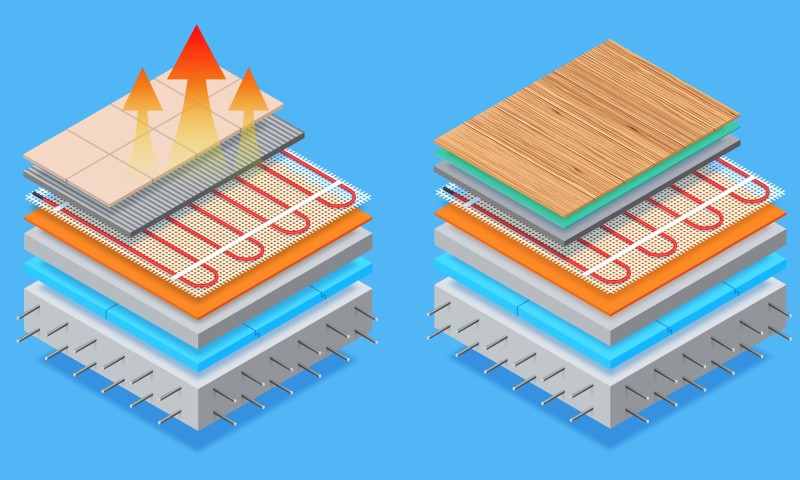
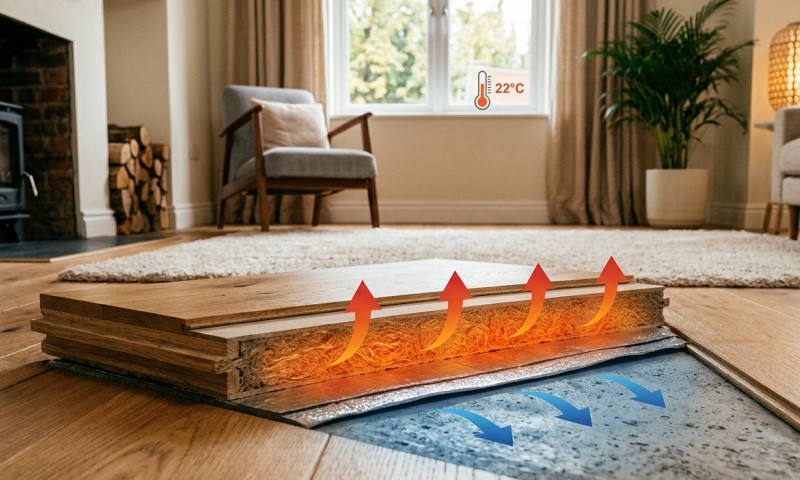
Thermoregulation within the home is crucial for maintaining a comfortable environment throughout the year. Layered flooring systems are designed to support this by using materials that trap and retain heat effectively. The key to their success lies in their insulation properties, which prevent temperature fluctuations by minimising heat transfer between different surfaces. This means that during colder months, heat generated within the home is retained longer, while in warmer conditions, cool air is preserved.
By keeping indoor temperatures stable, layered flooring reduces the reliance on heating and cooling systems. This not only enhances comfort but also contributes to more predictable utility bills. The science behind this involves strategically combining materials that complement one another’s insulating capabilities. As a result, homes equipped with such flooring can maintain a steady climate with minimal external input, offering both comfort and cost savings over time.
Choosing materials for optimal temperature control
The choice of materials in layered flooring significantly impacts its ability to regulate temperature. Common options include wood, cork, and synthetic composites, each offering unique benefits for thermal management. Wood is often favoured for its natural warmth and aesthetic appeal, while cork provides excellent insulation due to its cellular structure that traps air. Synthetic composites offer durability and versatility, making them suitable for various environments.
The selection process should consider the specific needs of each space within a home. For instance, areas prone to moisture might benefit from water-resistant materials like engineered wood or high-quality vinyl. Incorporating multiple layers ensures that each material’s strengths are utilised effectively, creating a synergy that enhances overall performance. Homeowners should carefully evaluate their local climate and interior design preferences when selecting their flooring.
Improving energy efficiency with the right flooring

One of the primary advantages of layered flooring is its contribution to energy efficiency. By reducing the need for constant heating or cooling adjustments, it helps lower energy consumption significantly. The proper choice of materials can lead to substantial savings on utility bills while promoting a more sustainable lifestyle. In addition to economic benefits, an energy-efficient home typically enjoys improved air quality and reduced environmental impact.
The integration of layered flooring into your home’s design not only enhances comfort but also aligns with broader sustainability goals. Implementing appropriate materials tailored to your specific environment can maximise these benefits. Laminate flooring underlay plays a critical role in achieving these energy savings by acting as an effective insulator against unwanted temperature changes.
Advice for selecting the ideal layered flooring
Selecting the right layered flooring requires careful consideration of various factors unique to each home environment. First, assess the specific climate conditions your home faces throughout the year. This will guide you towards materials that offer optimal insulation properties suited to your region’s needs. Additionally, consider the aesthetics and functionality you wish to achieve in different rooms.
It is also important to think about installation methods and maintenance requirements associated with each type of material. Proper installation ensures maximum effectiveness of layered systems in controlling temperature variations. Consulting with professionals who specialise in this area can provide valuable insights and recommendations tailored to your home’s unique characteristics.