
The beginning of a new year often brings fresh motivation to make changes around the home. After spending more time indoors over Christmas, it’s not unusual to start noticing areas that could benefit from a little attention.
Perhaps the kitchen is beginning to feel outdated, the spare bedroom could be put to better use, or you’ve been considering a larger renovation for some time.
While spring and summer are traditionally popular periods for home improvements, the early months of the year offer a valuable opportunity to get organised and plan projects before work begins.
From setting realistic budgets to arranging practical details in advance, there are several reasons why starting your home improvement plans early could make the process considerably smoother.
1. Take Time to Assess What Your Home Really Needs

Before committing to a renovation, it’s worth considering which improvements will make the biggest difference to your everyday life.
Over time, the way we use our homes can change. A spare bedroom might now be needed as a home office, a growing family may require additional living space, or an outdated kitchen might no longer suit your needs.
Walk around your property and identify areas that could benefit from improvement, distinguishing between essential repairs and cosmetic upgrades.
Rather than focusing entirely on current interior trends, think about how you’d like your home to function over the next few years.
Establishing clear priorities early can help you avoid unnecessary spending and focus on improvements that provide lasting value.
2. Get Ahead of the Spring Renovation Rush
Many homeowners wait until the weather improves before beginning renovation projects, particularly when planning extensions, landscaping or significant building work.
However, leaving arrangements until spring can mean competing for the availability of tradespeople and trying to coordinate multiple aspects of a project at once.

Starting the planning process in January or February gives you more time to research contractors, request quotations and compare materials.
It’s also an opportunity to investigate whether planning permission or building regulations approval may be required for larger improvements.
For indoor projects such as redecorating, replacing flooring or updating kitchens, work may be possible during the colder months, depending on the conditions and requirements involved.
Even if construction won’t begin until later in the year, preparing in advance can help minimise delays.
3. Establish a Realistic Budget Before Work Begins
Budgeting is one of the most important parts of any successful home improvement project.
It’s easy to underestimate the costs involved, particularly when considering larger renovations where labour, materials and unexpected repairs can quickly increase expenditure.
Begin by identifying which improvements are essential and which would simply be nice to have.
Obtaining several quotations can help you understand the likely costs, while setting aside a contingency fund provides additional flexibility if unexpected problems arise.
Remember to account for expenses beyond the main renovation itself, including waste removal, delivery charges and any temporary arrangements required while work takes place.
Planning your finances early gives you greater control over the project and reduces the likelihood of difficult decisions further down the line.
4. Think About Where Your Furniture and Belongings Will Go
One aspect of home renovations that can easily be overlooked is what happens to furniture and belongings while work is underway.
Replacing flooring, redecorating multiple rooms or installing a new kitchen can require significant amounts of space, making it difficult to keep everything in its usual position.
Moving furniture between rooms may work for smaller projects, but larger renovations can quickly leave living areas overcrowded.
Dust, paint and building materials can also pose a risk to possessions that remain close to the work.
For homeowners undertaking substantial improvements, arranging self storage units through providers such as Magenta Storage can offer a practical way to temporarily accommodate furniture and household belongings.
This can help keep rooms accessible for tradespeople while reducing the risk of damage to items that aren’t needed during the renovation.
Considering these arrangements before work begins can make the entire process easier to manage.
5. Consider How Renovations Will Affect Everyday Life

Home improvements can be exciting, but they can also disrupt normal household routines.
A kitchen renovation might mean several weeks without access to your usual cooking facilities, while replacing flooring could temporarily make parts of the property difficult to use.
Before work begins, consider how the project will affect everyone living in the home.
For larger renovations, it may be worth creating temporary living arrangements within the property or planning alternative accommodation if essential facilities will be unavailable.
Discuss the expected schedule with your contractors and establish which rooms will need to remain accessible throughout the work.
Taking time to anticipate these challenges can help make the experience less stressful for everyone involved.
6. Plan for the Unexpected
Even carefully organised renovations don’t always go exactly to plan.
Deliveries can be delayed, unexpected repairs may become necessary, and certain tasks can take longer than originally anticipated.
Building flexibility into your schedule can help prevent minor setbacks from becoming major frustrations.
Avoid arranging important events immediately after the expected completion date, particularly when undertaking extensive work.
It’s also worth keeping regular communication with contractors so you’re aware of any changes to the project timeline.
A realistic approach to scheduling, combined with a little flexibility, can make unexpected complications much easier to handle.
Make Your Home Improvement Plans a Reality
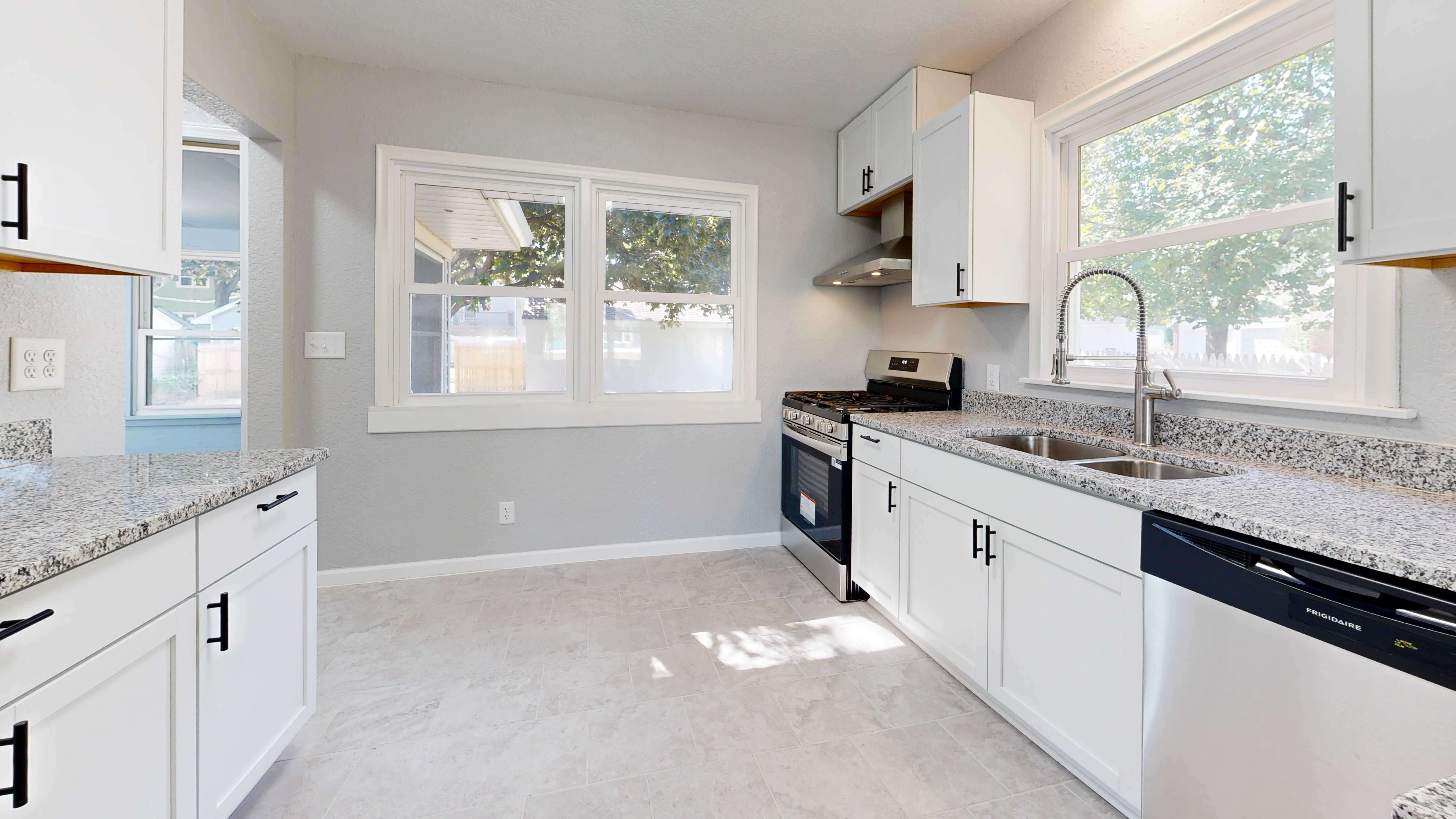
The beginning of the year offers an ideal opportunity to think about how your home could better meet your needs.
Whether you’re planning a complete renovation, updating tired interiors or making smaller practical improvements, getting organised early can help you approach the project with greater confidence.
By setting clear priorities, managing your budget and considering the practical arrangements before work begins, you can reduce disruption and keep your renovation on track.
With the right preparation, those home improvements you’ve been considering could become a reality in the year ahead.