The transition from school to university is usually seen as the start of an independent lifestyle, the formation of friendships, and the move to a vibrant city. They dream of decorating their room, visiting their favourite cafes, and enjoying their lives on campus, just like in Netflix shows. But while students prepare for this life-changing experience, they overlook one increasingly common issue—scam accommodation.
With rising student demand for accommodation in various UK cities, more and more people are booking their flats much earlier, sometimes entirely online.
Unfortunately, scam accommodation websites have evolved to a very sophisticated level nowadays. Nowadays, it’s easy to create a website with high-quality pictures, realistic-looking contracts, and a strict deadline.
The process, which was once easily recognised as a scam, became much trickier to spot and even more harmful to those without prior rental experience. In this guide, you’ll learn how to spot student accommodation scams and avoid them.
Why High-Demand Student Cities Often See More Accommodation Fraud Cases

Accommodation scams tend to occur more often in urban areas characterised by higher student demand and a scarcity of accommodation. Every year during student intake times, many students apply for accommodation at the same time. Accommodation scammers take advantage of the situation by promoting accommodation offers with very low rents or by encouraging instant payment without verification.
This scam is particularly prevalent among students looking for student accommodation Liverpool, as it is characterised by high demand for accommodation. Affordable accommodation, which is much lower than other accommodation in the vicinity, should be viewed with suspicion when the rental price is coupled with premium services such as free access to gyms, free bills, and strategic locations.
Remote accommodation arrangements can be very risky for students, as they largely depend on online sources.
Fake Listings, Deposit Scams and Ghost Landlords: The Most Common Tactics Used
Accommodation scams are predictable. The scammers use stolen images of real property, repost them, and offer them at lower prices to get a quicker response from potential customers. In the deposit scam, students are forced to pay reservation fees before getting any contract.
The ghost landlord scam is when a scoundrel claims ownership or management of accommodation even though there is no link between him/her and the accommodation offered. Some even ask for months’ worth of rent before offering discounts.
When looking for Liverpool Hope University accommodation, one must be extremely careful, as it is in high demand. One warning signal is communication only through WhatsApp and other social media apps. Ideal accommodation does not mean genuine.
What Students Should Check Before Booking Student Accommodation in Liverpool Options
Bookings for accommodation need to be more than just price comparisons and facility amenities. Students thinking of booking into student accommodation Liverpool should do some reverse image searches to verify the validity of listing photos, ask for live video tours, and scrutinise the tenancy agreements before making payment.
Reverse images can reveal if the images used were stolen or plagiarised from other sources, while live tours assure students that the accommodation actually exists.
Moreover, students must watch out for landlords who keep postponing viewing times or decline to offer video tours, as this might mean the accommodation does not exist. Other measures to ensure legitimacy are verifying if the letting agent is part of any recognised redress scheme.
Students who would like safer booking processes can consider UniAcco, which offers verified listings for student accommodations.
Why Students Searching for Liverpool Hope University Accommodation Need Extra Verification Steps
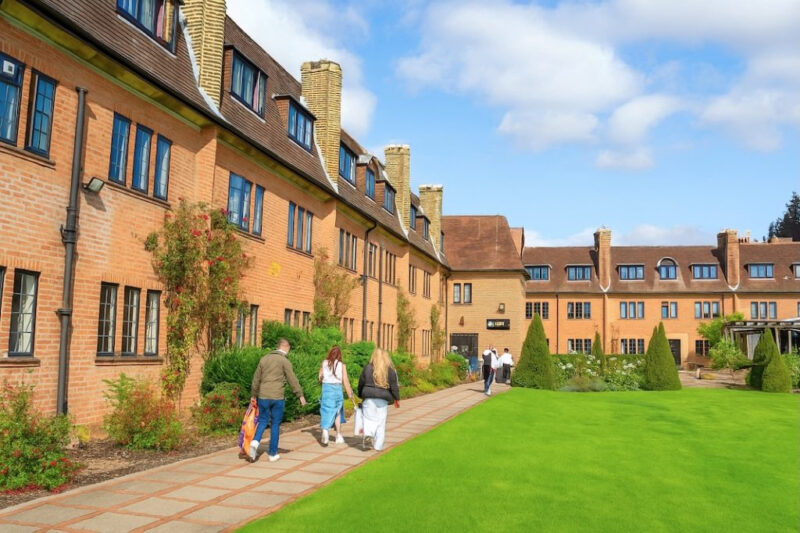
Students’ accommodation near universities is in high demand, hence highly attractive, and a prime target for fraudulent activities.
The Liverpool Hope University accommodation seekers may encounter advertisements that promise lower prices, a good location, or a sense of urgency, which can influence them to make decisions without even checking first.
University names can deceive students, who assume they are renting from a genuine source, but locations alone cannot be the sole criterion for ensuring everything is okay. It is important for students to determine which program they will use their deposit for and confirm that the landlord is legitimate.
Safety Checks to Complete Before Paying for Any Student Property
Before making any payment transfers or signing any agreements, important verification processes must be put in place to prevent accommodation scams. Most scam operations succeed because payments are made without establishing ownership or verifying whether such accommodations exist. It might not sound like much, but these measures can go a long way to minimise such risks.
| Safety Check | What To Verify | How It Reduces Scam Risk |
| Reverse image search | Listing photos | Detects copied properties |
| Video walkthrough | Live property condition | Confirms accommodation exists |
| Deposit protection | Legal registration details | Improves payment safety |
| Landlord credentials | Ownership or agency proof | Verifies legitimacy |
| University housing advice | Approved accommodation guidance | Adds extra reassurance |
Conclusion
As housing demand rises in university cities, student accommodation fraud continues to grow. The sophistication of fraudulent accommodation is being enabled by professional advertising and rushed payment processes, making it difficult for students to detect fraud, particularly those seeking accommodation for the first time on their own.
While it may seem necessary to act quickly when looking for accommodation, it is important to remember that safety depends more on thorough research than on urgency. A student’s university experience is meant to be an adventure of discovery, not the plot twist of finding out that your accommodation only exists in pictures taken by someone else.