Luxury design has undergone a quiet revolution, moving away from finishes chosen purely for visual drama and toward materials that feel indulgent while reducing long-term environmental impact. When you think about upgrading your home, you might notice how often designers now emphasise textures, tactility and the calming presence of organic elements.
This shift is driven by homeowners who want thoughtful spaces that feel restorative and grounded. Sustainable luxury encourages you to choose materials with a story, a natural origin and a long lifespan; instead of prioritising trend cycles, you invest in pieces and surfaces that age gracefully.
This transition in taste reflects a broader cultural interest in wellness, environmental responsibility and the desire to create homes that feel both elegant and genuinely nurturing. Perhaps tellingly, recent data shows that 42% of agents worked with a property featuring green or energy-efficient features in the past year.
Hempcrete: The breathable, carbon-negative wall
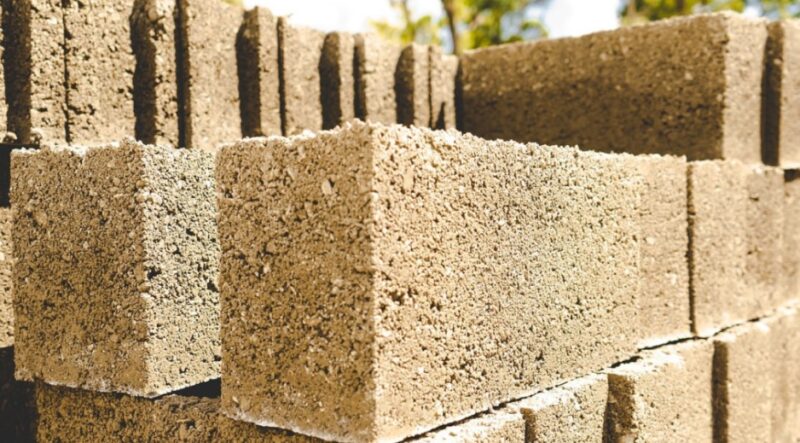
Hempcrete offers a refreshing alternative to conventional insulation and wall materials, combining breathability, strength and moisture regulation in a single biocomposite. Its carbon-negative curing process appeals to anyone seeking meaningful environmental impact through design and its protective qualities help create healthier air within your rooms. You can feel the difference in spaces built with hempcrete: they stay naturally balanced in humidity and temperature, creating a calm, steady interior atmosphere.
Designers sometimes reference the relaxed sensibility of villas on Brabus Island when describing homes built with natural, climate-responsive materials like this. The growing availability of precast blocks makes planning and construction smoother, allowing you to work with a material that supports both beauty and function.
Hempcrete’s gentle texture adds quiet character, giving your walls a refined organic presence without overwhelming the rest of your design choices.
Cross-laminated timber: Carbon-storing structure
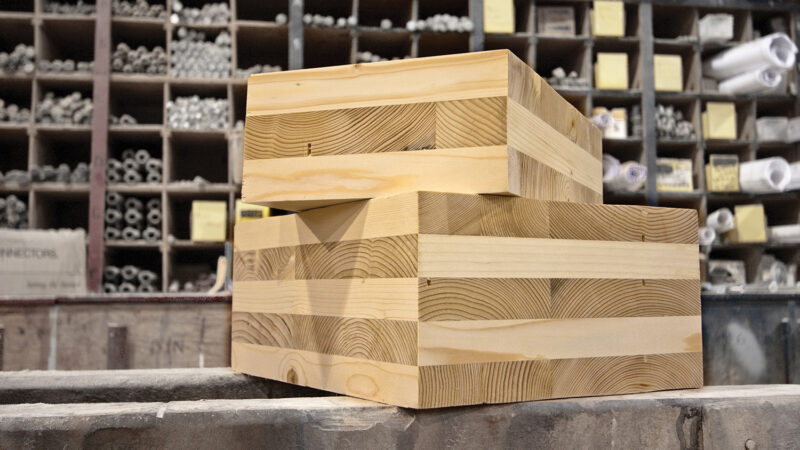
Cross-laminated timber (CLT) has emerged as a standout material for luxury homes built with sustainability in mind. Its layered construction provides exceptional stability while storing significant carbon, making it far more environmentally responsible than many traditional structural materials. When you incorporate CLT into your home, you introduce warmth, subtle grain patterns and a calming natural presence that enriches minimalist or contemporary interiors.
Designers appreciate how well CLT pairs with modern glazing systems, allowing you to bring filtered daylight into your rooms without sacrificing structural integrity. Its growing use in multi-storey projects reflects how dependable it has become, with enhanced fire performance and moisture resistance broadening its applications.
Ultimately, choosing CLT lets you enjoy the tactile beauty of wood while reducing your home’s carbon footprint in a meaningful, measurable way.
Mycelium composites: Fungi powering the future
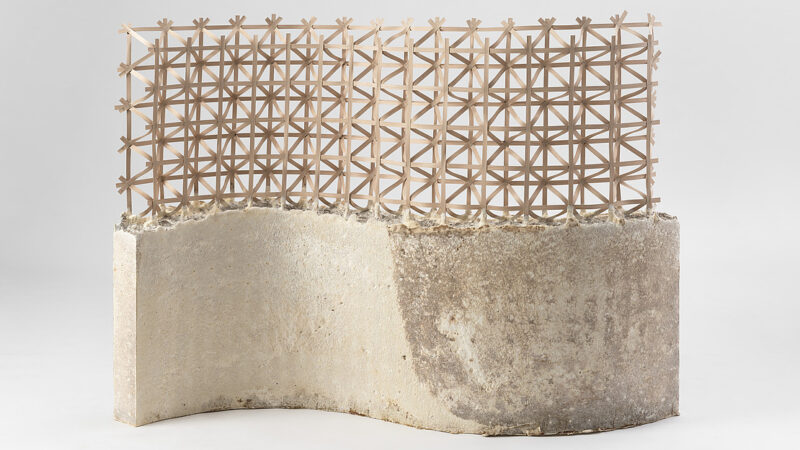
Mycelium composites are one of the most intriguing materials redefining eco-luxury today. This natural fungal network can be grown into architectural panels or insulation, giving you a material that is lightweight, fully biodegradable and visually striking. When you use mycelium inside your home, you introduce an unexpected softness and warmth, especially if you appreciate design with a biophilic or organic influence.
Mycelium structures also deliver impressive fire-resistance and thermal performance, which appeals to both sustainability-minded homeowners and architects aiming for performance without synthetic elements. Researchers are combining mycelium with agricultural byproducts to enhance durability and expand design possibilities, making it a forward-thinking choice.
This material supports a quiet, grounded ambience by reflecting the rhythms of the natural world, offering you an innovative way to bring subtle earth-born textures into your interior environment.
Cork: The quiet insulator with natural chic
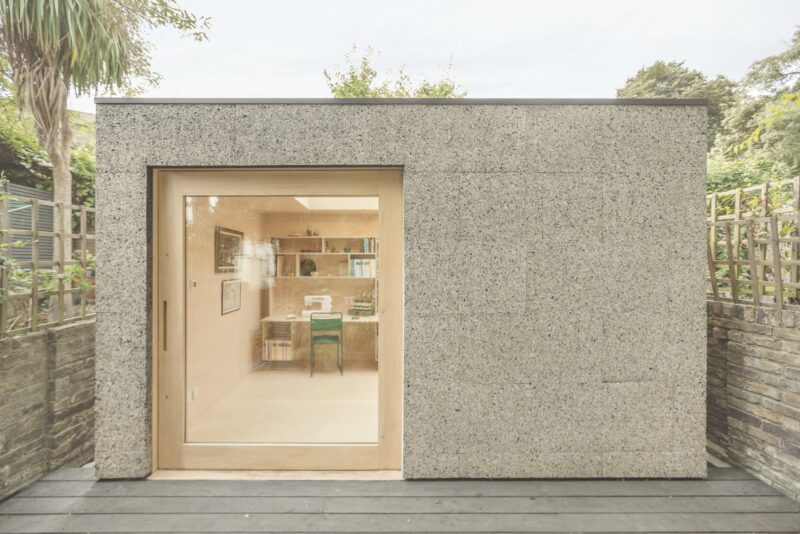
Cork has regained prominence in luxury interiors thanks to its renewable nature, adaptable appearance and comfortable feel. Harvested without damaging the trees, cork reflects a sustainable cycle that fits seamlessly into eco-conscious design. You might find it especially appealing if you value softness underfoot, reduced noise and a warm, understated aesthetic that complements many design styles. Cork excels in flooring, wall treatments and acoustic panels, offering resilience, antimicrobial qualities and gentle visual texture.
Its natural fire resistance adds another practical advantage, especially in multi-purpose living areas. Because cork compresses and rebounds elegantly, it maintains its refined appearance over time, even in high-traffic spaces. When designers incorporate cork, they often highlight its calming effect and the way it subtly enhances comfort.
Today, choosing cork helps create a serene environment that feels polished yet grounded in nature.
Advanced recycled materials: Steel, plastics and high-tech innovations
Advances in recycled materials have opened new possibilities for luxury homes that embrace sustainability. Recycled steel stands out for its strength and reduced environmental cost, providing dependable structural support while cutting energy use dramatically compared to newly produced steel. Recycled plastics are being transformed into adaptive modular components, some designed with flexible, chainmail-inspired structures that bring sculptural detail to walls, partitions or furnishings.
Researchers have also developed innovative wood products capable of adjusting how much heat or light they transmit, offering a dynamic way to manage indoor comfort throughout changing seasons, alongside custom lighting. These materials let you explore bolder architectural features without compromising ecological values.
No matter if you prefer sleek modernism or organic minimalism, recycled high-tech materials introduce a layer of sophistication, proving that sustainability can coexist with striking and imaginative design expression.
Integrating these materials into a sustainable luxury project
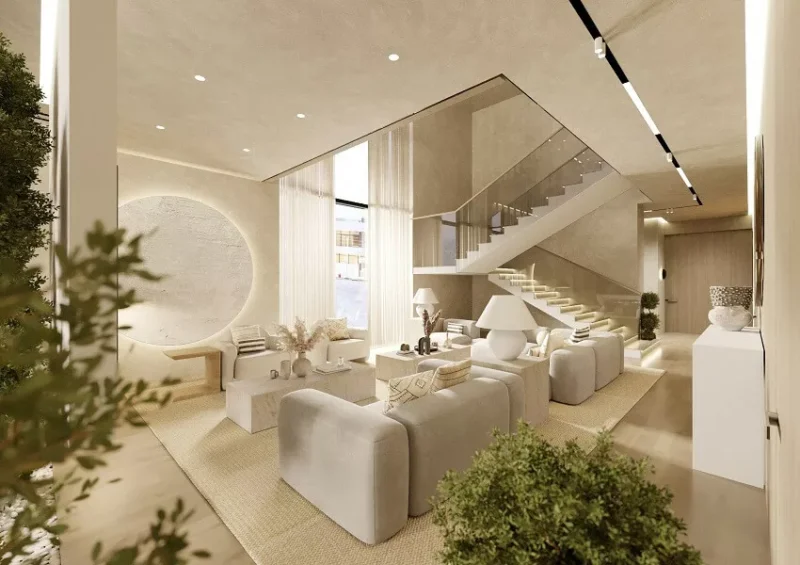
Crafting a sustainably luxurious home becomes easier when you blend these materials with intention, focusing on how each one contributes to comfort, longevity and environmental responsibility. You might choose CLT for structural elements, hempcrete for breathable interior walls and mycelium for insulation, creating a harmonious envelope that supports wellbeing. Cork flooring can help soften your living spaces, while recycled steel or modular plastic accents add a polished architectural edge.
This combination lets you design rooms that feel warm, balanced and thoughtfully crafted. Modular systems for materials like hempcrete or mycelium also help minimise waste and streamline installation, giving you a more efficient building process.
Conclusively, choosing eco-friendly materials can enrich your home, letting you craft an abode that feels simultaneously elegant, responsible and deeply connected to natural beauty.