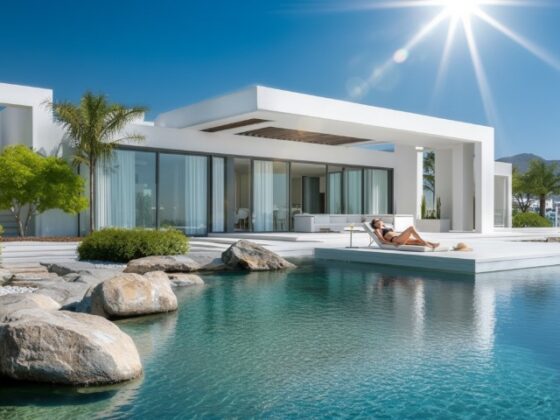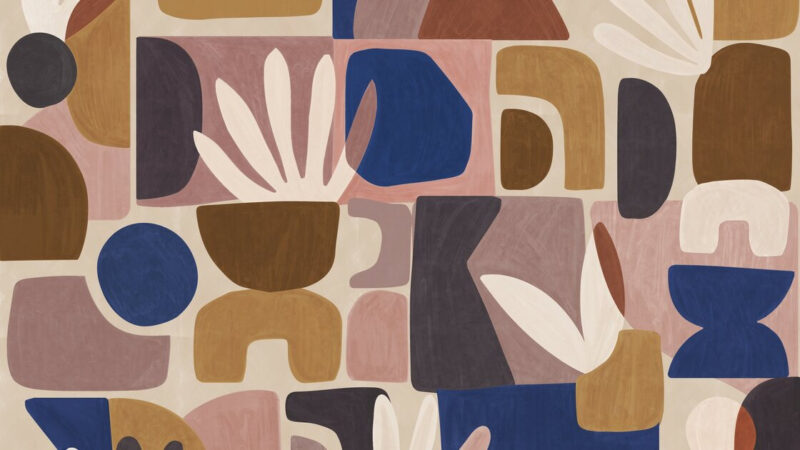
Spring is finally here, and we’re embracing organic minimalism and opting for art that brings the calm comfort of the outdoors into our homes to improve our well-being.
In a world that feels loud and demanding, the home has become more important than ever. If you’ve spent any time browsing abstract canvas wall art lately, you’ve probably noticed a shift, too.
The sharp lines and rigid geometry of minimalist interiors are softening. In their place: fluid forms with a closeness to nature. Organic shapes are having a moment right now, so here’s everything you need to know about the trend.
What Do We Mean by Organic Shapes?
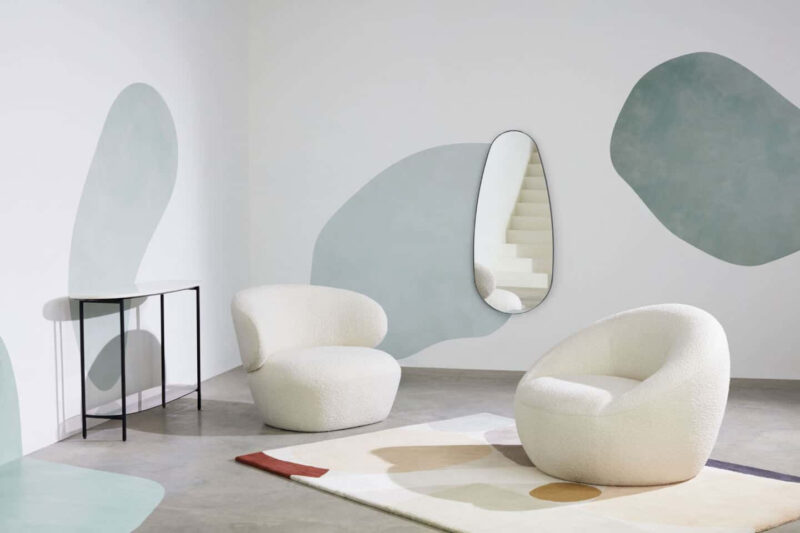
Organic shapes are irregular, free-flowing forms often inspired by the natural world. Think of the curve of a pebble, the outline of a leaf or the gentle arc of a wave. They are not symmetrical or precise, and they carry the imperfection we see in living things, and that’s exactly the point.
In abstract art, organic shapes appear in several ways. Sometimes they are the focus of the piece itself, forms that hint at flora, landscape, or the human form without ever committing to a literal reading.
They live in the brushwork, where loose expressive strokes build something that feels alive. When these shapes are brought into the home, things soften. The eye relaxes, and a sense of gentle motion is created.
Why Are Organic Shapes Having a Moment?
A lot of it comes down to how we want our homes to feel right now. We are living through an overwhelming period, and there is a growing awareness that our environment has a tangible impact on our sense of self.
The home is no longer just a place to live. For many people, it is the primary space for rest and recovery, and the art we choose to put on our walls is part of that.
Biophilic design, the idea that we feel better in spaces that reference the natural world, has moved from interior design theory into mainstream home styling, with many opting for curved furniture, jute and linen soft furnishings and earthy colour palettes.
In canvas art, this translates into pieces in which the subject matter, composition, and even the palette all point back to nature.
Organic shapes carry an inherent calm, making them a great choice for rooms that need to feel restorative.
Clean lines and white walls have their place, but on their own, they can feel clinical and lack depth. Organic shapes are a rebellion against the cold harshness of ultra-minimalism, bringing warmth into the home without cluttering it, providing a cosy quality without losing visual interest.
How to Bring Organic Shapes into Your Space
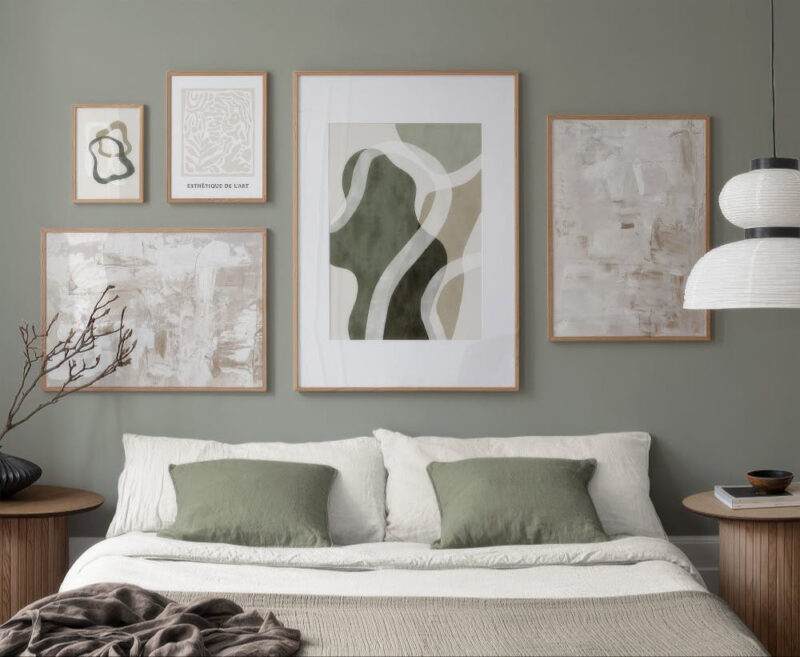
The good news is that this is one of the most accessible trends in contemporary interiors right now. You do not need to overhaul a room or commit to a particular aesthetic. A single well-chosen piece is often enough to shift the feeling of a space entirely.
One large-format canvas with sweeping, fluid shapes can transform a room. Pair muted palettes with soft terracotta and sage green for grounding. If your space is already lively, a bold, rich-toned piece can enhance the theme without feeling out of place.
Building a gallery wall? Picture a large fluid canvas at the centre, paired with a botanical print and a simple black and white photograph.
Organic shapes are a wonderful thread of connection between other pieces; their looseness creates breathing room alongside photography, botanical prints, or more geometric work, inviting you in and drawing your eye across the composition.
Size is worth thinking about, too. Abstract forms scale well, so don’t be afraid to go bigger than you initially planned. A generous canvas gives sprawling lines room to move, and that sense of movement is a big part of what brings the style to life.
Art That Nurtures the Soul
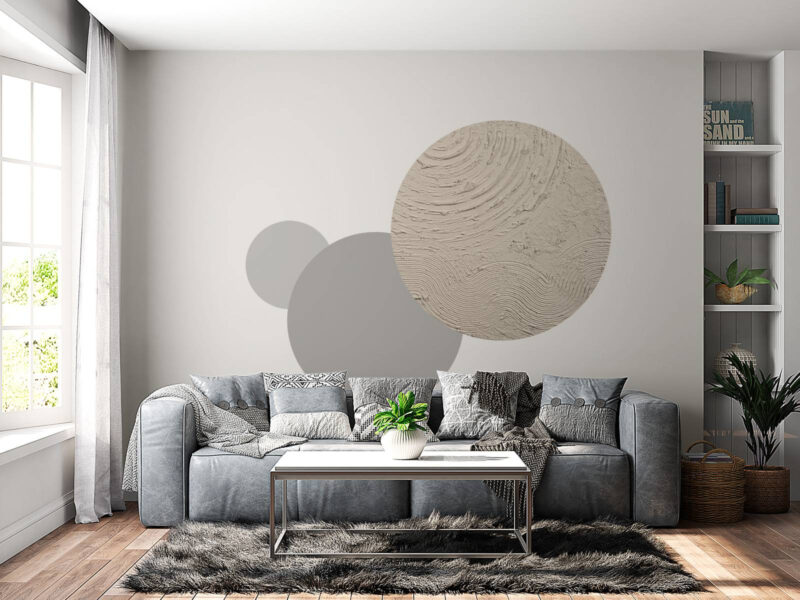
Before you think about how a piece will fit your room, pay attention to how it makes you feel. The best organic canvas art has an almost meditative quality and gives you permission to exhale after a long day. It adds flair but demands nothing of you.
Consider the energy of the piece. Some organic works feel dynamic, full of reaching forms and movement, while others carry a stillness. Neither is better than the other, but one may be right for you, and for the particular wall you have in mind.
What the organic shapes trend is really pointing to is an appetite for art that offers more than aesthetic value. Pieces that feel connected to something beyond the canvas, whether that’s to nature or even to our sense of self, have a way of making a home feel genuinely lived-in and loved. The shapes may be having their moment, but the feeling behind them is timeless.